



Latest Version
December 14, 2025
VarNaA Studio
Education
Android
0
Free
com.varnaa.MahabharataTest
Report a Problem
More About Mahabharata by Vyasa - English
The Epic Tale of the Mahabharata: A Journey Through Justice and Dharma
The Mahabharata, one of the most revered epics in Indian literature, intricately weaves the story of the Pandavas and Kauravas, two families embroiled in a fierce struggle for justice and righteousness. This timeless narrative not only explores the complexities of human nature but also delves into the profound concepts of duty (dharma) and morality. In this article, we will explore the structure of the Mahabharata, summarizing its key parvas (books) and the pivotal events that shape this epic saga.
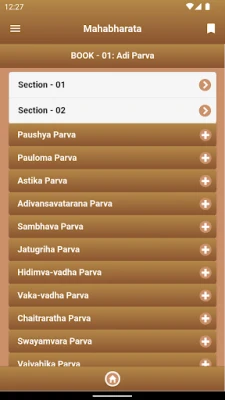
Understanding the Mahabharata's Structure
The Mahabharata is divided into 18 parvas, comprising approximately 100,000 shlokas (verses). Each parva presents a unique aspect of the story, contributing to the overarching themes of justice, duty, and the consequences of human actions. Below, we delve into each parva, highlighting its significance in the grand narrative.
Parva 1: Adi Parva - The Book of the Beginning
The Adi Parva sets the stage for the Mahabharata, detailing the origins of the Kuru dynasty. It narrates the birth and early life of the Kuru princes, focusing on the rise of the Pandavas and their noble deeds amidst growing conspiracies. This foundational parva introduces key characters and themes, establishing the moral dilemmas that will unfold throughout the epic.
Parva 2: Sabha Parva - The Book of the Assembly Hall
In the Sabha Parva, Yudhishthira, the eldest Pandava, constructs a magnificent palace in Indraprastha and conducts the Rajasuya sacrifice. However, the peace is shattered when the Pandavas face humiliation in a deceitful game of dice, marking the beginning of their trials. This parva emphasizes the themes of honor and betrayal, setting the stage for the ensuing conflict.
Parva 3: Vana Parva - The Book of the Forest
The Vana Parva chronicles the twelve-year exile of the Pandavas in the forest. During this time, they encounter divine beings and gain wisdom, resilience, and strength. This period of hardship prepares them for the challenges that lie ahead, reinforcing the importance of perseverance and spiritual growth.
Parva 4: Virata Parva - The Book of Virata
In the Virata Parva, the Pandavas live incognito in the kingdom of King Virata. Arjuna's valor shines as he single-handedly defeats the Kaurava army, showcasing the themes of identity and courage. This parva highlights the importance of strategy and adaptability in the face of adversity.
Parva 5: Udyoga Parva - The Book of the Effort
The Udyoga Parva depicts the failed attempts at peace between the Pandavas and Kauravas, despite Krishna's mediation. As tensions escalate, both sides prepare for war, emphasizing the inevitability of conflict when justice is at stake. This parva underscores the significance of diplomacy and the consequences of unresolved disputes.
Parva 6: Bhishma Parva - The Book of Bhishma
The Bhishma Parva marks the commencement of the great war at Kurukshetra. Bhishma, the revered elder, leads the Kaurava forces, while Krishna imparts profound teachings to Arjuna in the Bhagavad Gita. This parva encapsulates the essence of duty and righteousness, culminating in Bhishma's fall, which symbolizes the shifting tides of fate.
Parva 7: Drona Parva - The Book of Drona
In the Drona Parva, the legendary warrior Drona commands the Kaurava army. The battles intensify, resulting in significant losses on both sides. Drona's eventual death marks a turning point in the war, illustrating the fragility of life and the harsh realities of conflict.
Parva 8: Karna Parva - The Book of Karna
The Karna Parva showcases the fierce leadership of Karna, whose valor and loyalty to Duryodhana drive the battles to their climax. His ultimate defeat serves as a poignant reminder of the tragic consequences of loyalty and the complexities of friendship and enmity.
Parva 9: Shalya Parva - The Book of Shalya
As the final battle unfolds in the Shalya Parva, Shalya leads the Kaurava forces. The climactic confrontation culminates in Duryodhana's fall to Bhima, symbolizing the triumph of the Pandavas and the restoration of dharma. This parva emphasizes the themes of justice and the cyclical nature of conflict.
Parva 10: Sauptika Parva - The Book of the Sleeping Warriors
The Sauptika Parva recounts a devastating night attack by Ashwatthama, resulting in the near annihilation of the Pandava army. This tragic event highlights the brutal realities of war and the profound loss experienced by both sides, underscoring the futility of violence.
Parva 11: Stri Parva - The Book of the Women
In the Stri Parva, the women of the Mahabharata mourn the immense loss of life and the destruction wrought by the war. Gandhari's curse upon Krishna serves as a powerful reminder of the consequences of conflict and the emotional toll it takes on families and communities.
Parva 12: Shanti Parva - The Book of Peace
The Shanti Parva focuses on Yudhishthira's coronation and Bhishma's counsel on rulership and justice. This parva emphasizes the importance of wise governance and the responsibilities that come with power, shaping Yudhishthira's future as a ruler.
Parva 13: Anushasana Parva - The Book of the Instructions
In the Anushasana Parva, Bhishma imparts his final teachings on dharma, providing Yudhishthira with invaluable guidance on moral governance. This parva reinforces the significance of ethical leadership and the pursuit of righteousness.
Parva 14: Ashvamedhika Parva - The Book of the Horse Sacrifice
The Ashvamedhika Parva depicts the horse sacrifice, symbolizing the restoration of order and peace. Krishna's wisdom, shared with Arjuna, highlights the importance of spiritual enlightenment and the quest for
Rate the App
User Reviews















Popular Apps









Editor's Choice