


Latest Version
1.2.9
December 14, 2025
For Intellijoy All-in-One Subscription Only
Games
Android
0
Free
com.intellijoy.pack.tellingtime
Report a Problem
More About Kids Telling Time
Mastering Time: A Fun Way for Kids to Learn Telling Time
Teaching children how to tell time can be an engaging and enjoyable experience. With the right tools and activities, kids can easily grasp the concepts of both digital and analog clocks. One innovative approach is through interactive games that make learning fun and effective.
Interactive Learning: The Journey Through Time
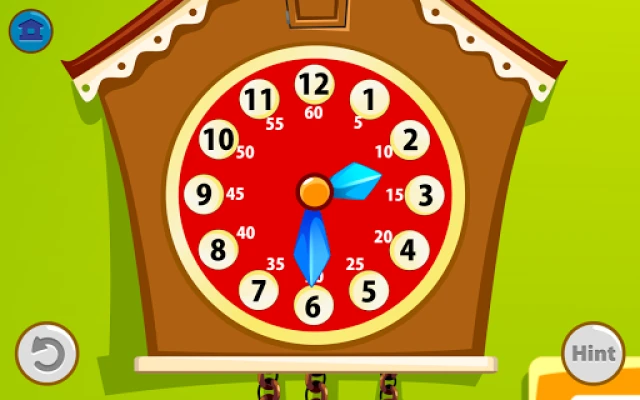
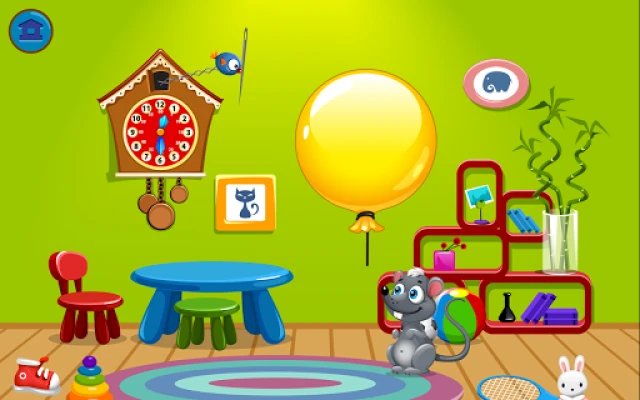
Imagine a vibrant house filled with various clocks, each ticking away in harmony. This is the setting for an exciting adventure where children can practice their time-telling skills. As they navigate through four distinct rooms, they encounter different clocks and challenges that enhance their understanding of time.
Meet Ticky The Mouse: Your Guide to Time
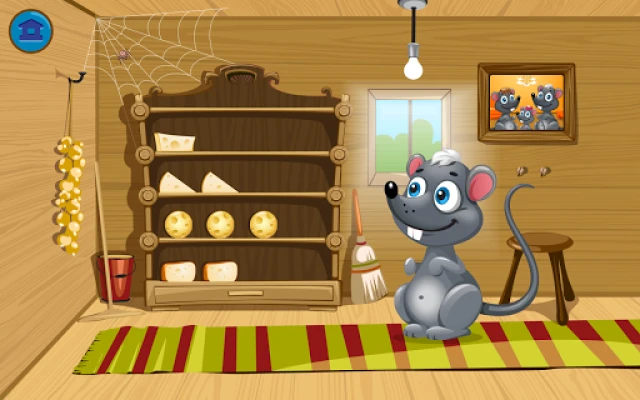
In this delightful journey, children are accompanied by Ticky The Mouse, a charming character who adds a playful element to the learning process. Ticky's mission is to collect cheese, but to do so, kids must help him by setting and telling the correct times on both analog and digital clocks. This engaging storyline keeps children motivated and eager to learn.
Understanding Analog Clocks
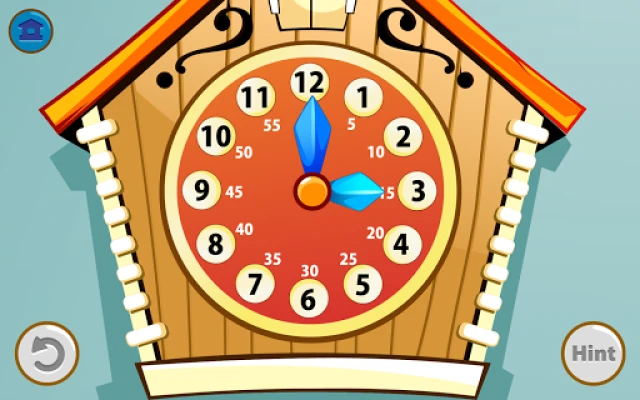
Analog clocks can be intimidating for some children, but with practice, they can become second nature. Here are some key concepts to focus on:
- Hour and Minute Hands: Explain the difference between the hour hand and the minute hand. The shorter hand indicates the hour, while the longer hand shows the minutes.
- Reading the Clock: Teach children how to read the numbers on the clock face. Emphasize that each number represents an hour, and the spaces between them represent five-minute intervals.
- Quarter Hours: Introduce the concept of quarter past, half past, and quarter to the hour. This helps children understand how to express time in different ways.
Mastering Digital Clocks
Digital clocks present a different challenge, but they are equally important for children to learn. Here’s how to make it easier:
- Understanding the Display: Explain how digital clocks display time in hours and minutes, often using a 12-hour format with AM and PM indicators.
- Converting Time: Teach kids how to convert between digital and analog time. For example, if a digital clock shows 3:15, help them find the corresponding position on an analog clock.
- Practice Makes Perfect: Encourage regular practice with digital clocks to build confidence. Use real-life examples, such as reading the time on a microwave or oven.
Engaging Activities to Reinforce Learning
To solidify their understanding of telling time, incorporate fun activities that reinforce the concepts learned:
- Clock Crafting: Have children create their own analog clocks using paper plates and markers. This hands-on activity allows them to visualize the clock face and practice setting different times.
- Time-Telling Games: Use board games or online resources that focus on telling time. These games can provide a competitive yet educational environment for children to practice.
- Real-Life Applications: Encourage kids to help with daily activities that involve time, such as setting the timer for cooking or planning their daily schedule.
Conclusion: Making Time-Telling Fun
Learning to tell time is an essential skill that children will use throughout their lives. By incorporating interactive games, engaging characters like Ticky The Mouse, and hands-on activities, parents and educators can create a fun and effective learning environment. With practice, children will not only master telling time but also develop a love for learning that will last a lifetime.
So, let the adventure begin! Help your children embark on this exciting journey through time, and watch as they become confident in their ability to read both analog and digital clocks.
Rate the App
User Reviews















Popular Apps










Editor's Choice