


Latest Version
3.2.4
December 14, 2025
RESCHOOL EDUCATION JEU EDUCATIF
Games
Android
0
Free
com.DefaultCompanyy.RESCHOOL
Report a Problem
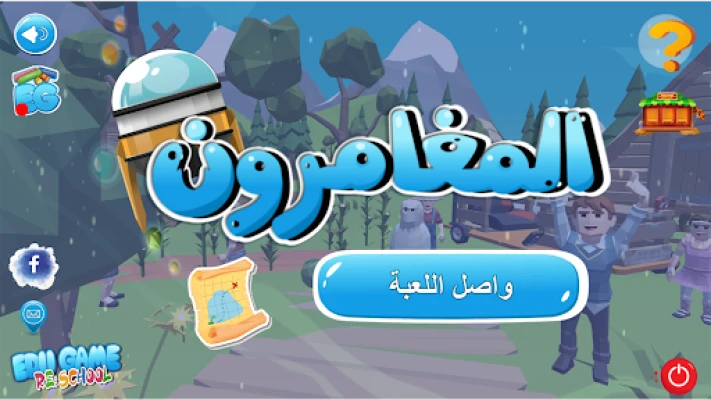
More About EDU GAME : Al Moghamiroun 1
Engaging Educational Games: Fun for Everyone
In today's fast-paced world, finding effective and enjoyable ways to learn can be a challenge. Fortunately, educational games have emerged as a powerful tool to engage learners of all ages. These games not only provide entertainment but also foster critical thinking, creativity, and social interaction. In this article, we will explore the benefits of educational games, the different types available, and how they can enhance learning experiences.
Why Choose Educational Games?
Educational games offer a unique blend of fun and learning, making them an ideal choice for both children and adults. Here are some compelling reasons to incorporate these games into your learning routine:
- Enhanced Engagement: Traditional learning methods can sometimes be dull. Educational games captivate attention and motivate learners to participate actively.
- Improved Retention: When information is presented in a game format, it becomes easier to remember. The interactive nature of games helps reinforce concepts and skills.
- Social Interaction: Many educational games encourage collaboration and teamwork, allowing players to develop social skills while learning.
- Adaptability: Educational games can be tailored to suit various learning styles and levels, making them accessible to a wide audience.
Types of Educational Games
There is a vast array of educational games available, each designed to target specific skills and knowledge areas. Here are some popular types:
1. Quiz Games
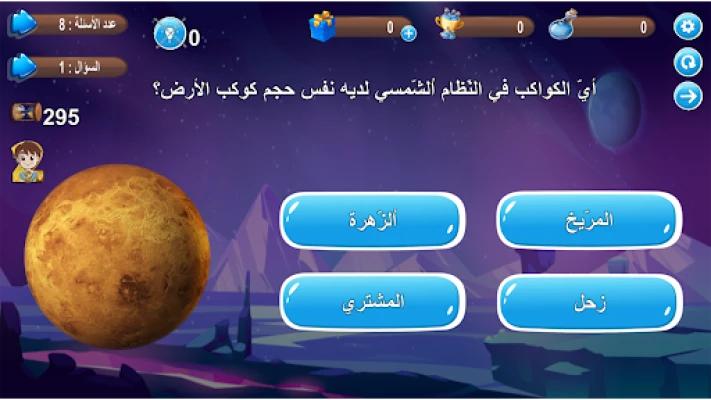
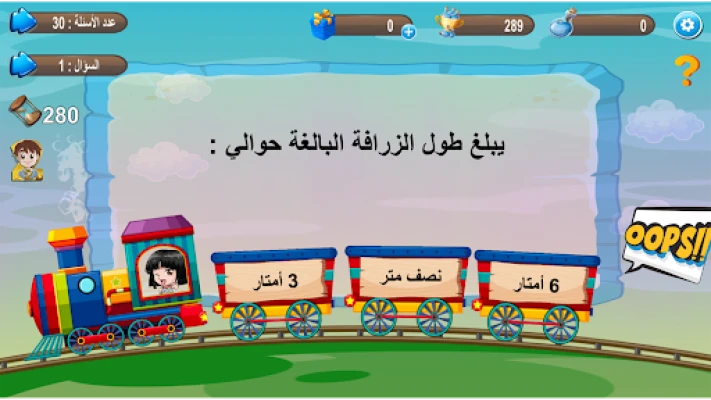
Quiz games are a fantastic way to test knowledge on various subjects. They can be played individually or in groups, making them perfect for classrooms or family gatherings. These games often include multiple-choice questions, true/false statements, and fill-in-the-blank challenges.
2. Puzzle Games
Puzzle games stimulate critical thinking and problem-solving skills. They can range from simple jigsaw puzzles to complex logic games that require strategic planning. These games are excellent for developing cognitive abilities and enhancing concentration.
3. Simulation Games
Simulation games provide a realistic experience that allows players to explore different scenarios. Whether it's managing a virtual farm or running a business, these games teach valuable lessons about decision-making and resource management.
4. Language Learning Games
Language learning games make acquiring a new language enjoyable and interactive. They often include vocabulary challenges, grammar quizzes, and pronunciation exercises, helping learners build their language skills in a fun way.
How to Incorporate Educational Games into Learning
Integrating educational games into your learning routine can be simple and effective. Here are some tips to get started:
1. Set Clear Learning Objectives
Before diving into a game, establish what you want to achieve. Whether it's mastering a specific topic or improving a skill, having clear objectives will guide your gameplay and enhance the learning experience.
2. Choose the Right Game
Select games that align with your learning goals. Consider the age group, skill level, and interests of the players to ensure maximum engagement and effectiveness.
3. Create a Balanced Schedule
While educational games are beneficial, it's essential to balance them with other learning methods. Incorporate games into your study routine without overshadowing traditional learning techniques.
4. Encourage Collaboration
Many educational games are designed for multiple players. Encourage collaboration and teamwork to foster social skills and create a supportive learning environment.
Conclusion
Educational games are a powerful tool for enhancing learning experiences. They provide a fun and engaging way to acquire knowledge, develop skills, and foster social interaction. By incorporating these games into your learning routine, you can create a dynamic and enjoyable educational environment. Whether you're a teacher, parent, or lifelong learner, embracing educational games can lead to a more enriching and effective learning journey.
So, gather your friends or family, choose an educational game, and embark on a fun-filled adventure of learning today!
Rate the App
User Reviews














Popular Apps










Editor's Choice