


Latest Version
1.62.0
December 11, 2025
Corrections Software Solutions
Tools
Android
0
Free
com.correctionssoftware.case_connect
Report a Problem
More About Case Connect Mobile
Essential Features of Modern Supervision Management Systems
In today's fast-paced world, effective supervision management systems are crucial for maintaining order and ensuring compliance. These systems offer a range of features designed to streamline communication, enhance accountability, and facilitate the management of personal information. Below, we explore the key functionalities that make these systems indispensable for both officers and individuals under supervision.
1. Report or Check-In and Update Personal Information
One of the primary features of a modern supervision management system is the ability for individuals to report or check in regularly. This functionality allows users to provide updated personal information seamlessly. Whether it’s a change of address, contact number, or employment status, keeping personal records current is essential for effective supervision. This feature not only enhances communication but also ensures that officers have the most accurate information at their disposal.
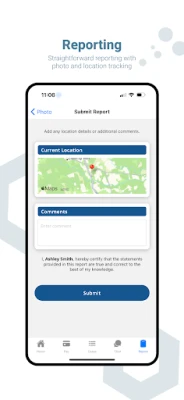
2. Geo-Location Reporting with Image Capture
Geo-location reporting is a game-changer in supervision management. This feature enables individuals to report their location to their supervising officer in real-time, accompanied by image capture. By integrating GPS technology, officers can verify the whereabouts of individuals under supervision, ensuring compliance with location-based restrictions. This added layer of accountability helps maintain public safety and fosters trust between officers and individuals.
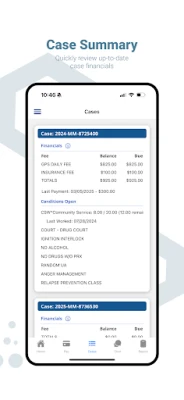
3. View Fee Delinquencies and Balances with Easy Payment Options
Managing financial obligations is a critical aspect of supervision. The ability to view fee delinquencies and outstanding balances empowers individuals to stay informed about their financial responsibilities. Moreover, integrating credit card payment options simplifies the process, allowing users to settle their dues quickly and efficiently. This feature not only promotes financial accountability but also reduces the administrative burden on officers.
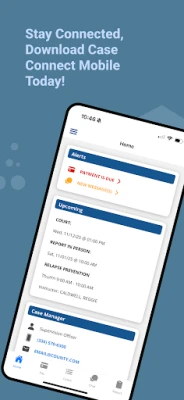
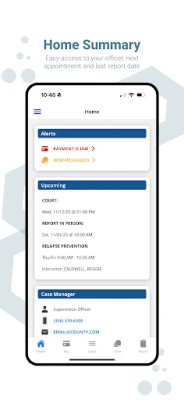
4. Access to Upcoming Appointments
Staying organized is vital for individuals under supervision. The feature that allows users to view upcoming appointments ensures that they never miss a scheduled meeting with their supervising officer. This functionality can include reminders and notifications, helping individuals manage their time effectively. By keeping track of appointments, users can demonstrate their commitment to compliance and responsibility.
5. Direct Contact Information for Officers with Messaging Capabilities
Effective communication is the cornerstone of successful supervision. The ability to view contact information for supervising officers, along with messaging capabilities, fosters open lines of communication. Individuals can reach out to their officers with questions or concerns, facilitating a collaborative approach to supervision. This feature enhances transparency and builds a supportive relationship between officers and those under their care.
6. Overview of Conditions for Successful Supervision
Understanding the conditions required for successful supervision is crucial for individuals. This feature provides a clear overview of the expectations, including community service hours and other compliance requirements. By having access to this information, individuals can better navigate their responsibilities and work towards fulfilling the conditions set by the court or supervising authority. This clarity promotes accountability and encourages proactive engagement in the supervision process.
Conclusion
Modern supervision management systems are equipped with essential features that enhance communication, accountability, and compliance. From real-time geo-location reporting to easy payment options and direct messaging capabilities, these functionalities are designed to support both officers and individuals under supervision. By leveraging these tools, supervision can be more effective, transparent, and ultimately, more successful.
As technology continues to evolve, the integration of these features will play a pivotal role in shaping the future of supervision management, ensuring that it meets the needs of all stakeholders involved.
Rate the App
User Reviews















Popular Apps










Editor's Choice