



Latest Version
January 10, 2026
Bogdan Arvinte
Tools
Android
0
Free
ro.marv.dice_roller
Report a Problem
More About Dice Roller
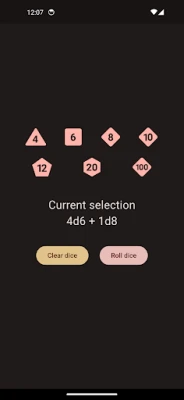
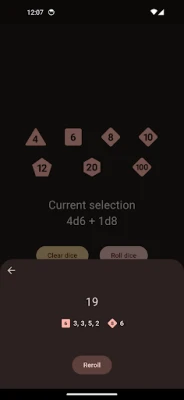
Unlock the Benefits of Dark Mode: Elevate Your Dice Rolling Experience
In the ever-evolving world of digital interfaces, dark mode has emerged as a popular choice among users. This sleek, modern theme not only enhances aesthetics but also offers numerous advantages for those who enjoy rolling dice in various gaming scenarios. Let’s delve into the benefits of dark mode and explore how user interface refinements can create a seamless experience for all users.
The Allure of Dark Mode
Dark mode is more than just a trend; it’s a functional design choice that caters to user comfort and visual appeal. Here are some compelling reasons to embrace this stylish theme:
1. Reduced Eye Strain
One of the primary benefits of dark mode is its ability to minimize eye strain, especially in low-light environments. The contrast between the dark background and lighter text makes it easier to read without overwhelming the eyes. This is particularly beneficial for gamers who spend extended periods rolling dice and strategizing their next moves.
2. Enhanced Battery Life
For mobile users, dark mode can significantly extend battery life. Many devices utilize OLED screens, which consume less power when displaying darker colors. By switching to dark mode, users can enjoy longer gaming sessions without the constant worry of draining their battery.
3. Aesthetic Appeal
Dark mode offers a sleek and modern aesthetic that many users find appealing. The sophisticated look can enhance the overall gaming experience, making it more immersive. Whether you’re playing tabletop games or engaging in online role-playing, a polished dark theme can elevate your enjoyment.
User Interface Refinements: A Seamless Experience
In addition to the benefits of dark mode, user interface refinements play a crucial role in creating a seamless experience. A well-designed interface can make all the difference in how users interact with the application. Here are some key refinements to consider:
1. Intuitive Navigation
Streamlined navigation is essential for any application. Users should be able to find what they need quickly and efficiently. By implementing intuitive menus and clear pathways, developers can enhance user satisfaction and engagement. This is particularly important in gaming applications where quick access to tools and features can impact gameplay.
2. Responsive Design
With the increasing use of various devices, responsive design is a must. A seamless experience across smartphones, tablets, and desktops ensures that users can enjoy rolling dice and engaging with the interface, regardless of their device. This adaptability not only improves user experience but also broadens the audience reach.
3. Polished Visual Elements
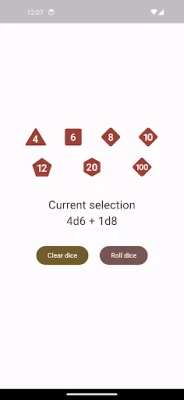
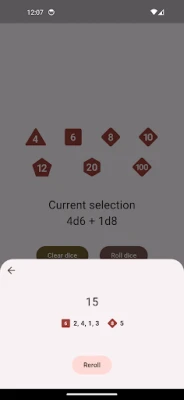
Refined visual elements, such as buttons, icons, and animations, contribute to a more engaging user experience. Subtle animations can provide feedback during interactions, making the application feel more dynamic and responsive. A polished interface invites users to explore and enjoy the features available to them.
Conclusion: Embrace the Future of Gaming Interfaces
As the gaming landscape continues to evolve, embracing dark mode and refining user interfaces will be crucial for developers aiming to enhance user experience. The combination of reduced eye strain, improved battery life, and a sleek aesthetic makes dark mode an appealing choice for gamers. Coupled with intuitive navigation, responsive design, and polished visual elements, users can enjoy a seamless and immersive experience while rolling dice and engaging in their favorite games.
In conclusion, the future of gaming interfaces lies in the thoughtful integration of dark mode and user interface refinements. By prioritizing user comfort and engagement, developers can create applications that not only meet but exceed user expectations, ensuring a delightful gaming experience for all.
Rate the App
User Reviews















Popular Apps










Editor's Choice