
Latest Version
December 06, 2025
Stufco
Games
Android
0
Free
com.stufco.lilisland
Report a Problem
More About Lil Volcano
Witness the Birth of an Island: The Fascinating Process of Undersea Volcanoes
Undersea volcanoes are nature's hidden architects, crafting new landmasses through a spectacular process that captivates scientists and enthusiasts alike. This article delves into the intricate mechanisms behind the formation of islands from volcanic activity, exploring the role of procedural generation and chaos theory in this natural phenomenon.
The Science Behind Undersea Volcanoes
Undersea volcanoes, also known as submarine volcanoes, erupt beneath the ocean's surface, releasing magma that cools and solidifies to form new land. These geological wonders are primarily found along tectonic plate boundaries, where the Earth's crust is thin and susceptible to volcanic activity. The process begins when magma rises from the mantle, driven by intense pressure and heat.
How Volcanoes Erupt Underwater
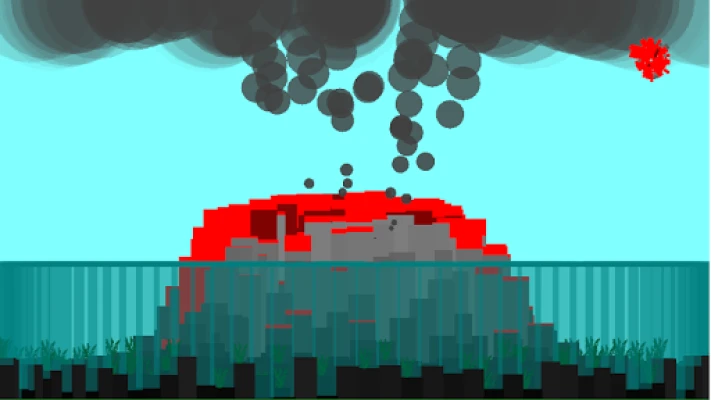
When magma reaches the ocean floor, it encounters water at extreme pressures. This interaction can lead to explosive eruptions, creating plumes of steam and gas. As the magma cools rapidly, it solidifies into rock, gradually building up the structure of the volcano. Over time, repeated eruptions can lead to the formation of a volcanic island.
The Role of Chaos Theory in Volcanic Activity
Chaos theory, a branch of mathematics that studies complex systems, offers insights into the unpredictable nature of volcanic eruptions. A renowned fictional chaos theoretician once explained that small changes in initial conditions can lead to vastly different outcomes. This principle applies to volcanic activity, where minor variations in pressure, temperature, or composition can significantly influence the eruption's intensity and style.
Procedural Generation: Nature's Algorithm
Procedural generation refers to the method of creating data algorithmically rather than manually. In the context of undersea volcanoes, this concept can be likened to the natural processes that govern volcanic formation. Each eruption is unique, influenced by a myriad of factors, including the composition of the magma, the surrounding environment, and the geological history of the area.
As a result, the formation of an island from an undersea volcano is not a linear process but rather a complex interplay of geological forces. This unpredictability is what makes the study of volcanoes so fascinating and challenging.
The Lifecycle of a Volcanic Island
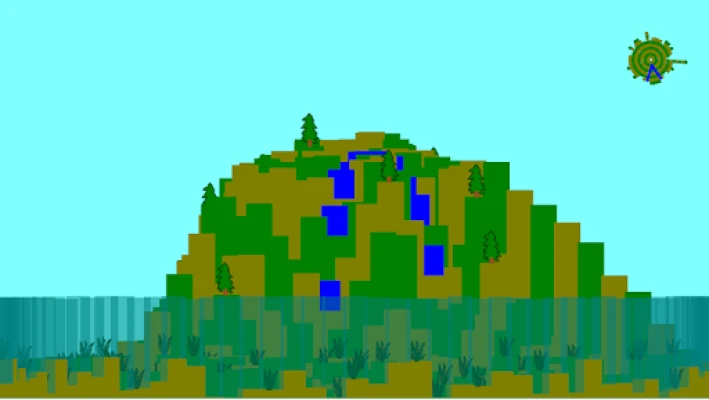
Once an undersea volcano breaches the ocean's surface, it begins its lifecycle as a volcanic island. The initial phase is characterized by rapid growth, as eruptions continue to add layers of rock. Over time, the island may experience erosion from waves and weather, shaping its landscape and influencing its ecology.
As the island matures, it can develop a diverse range of habitats, supporting various plant and animal species. The unique conditions created by volcanic soil often lead to rich biodiversity, making these islands vital ecosystems.
Case Studies: Famous Volcanic Islands
Several well-known islands have emerged from undersea volcanic activity, showcasing the power of nature's creativity. One notable example is the Hawaiian Islands, formed by the Hawaiian hotspot, where a stationary plume of magma creates a chain of islands as tectonic plates move over it. Another example is the island of Surtsey, which emerged off the coast of Iceland in 1963, providing a unique opportunity for scientists to study ecological succession on a new landmass.
The Future of Volcanic Islands
As climate change and human activity continue to impact the planet, the future of volcanic islands remains uncertain. Rising sea levels and increased storm intensity pose threats to these fragile ecosystems. However, the ongoing study of undersea volcanoes and their formation can provide valuable insights into how these islands can adapt and survive in a changing world.
Conclusion: The Marvel of Nature's Creation
The transformation of an undersea volcano into an island is a remarkable testament to the power of nature. Through the lens of chaos theory and procedural generation, we gain a deeper understanding of the complexities involved in this process. As we continue to explore and study these geological phenomena, we not only uncover the mysteries of our planet but also appreciate the intricate beauty of its ever-changing landscape.
Rate the App
User Reviews















Popular Apps










Editor's Choice