Latest Version
February 19, 2026
Beeline Labs
Education
Android
0
Free
life.beeline.app
Report a Problem
More About Beeline Learn
Mastering Mixed-Media Learning: Creating Engaging and Accessible Pathways
In today's fast-paced digital world, the curation of mixed-media learning resources has become essential for effective education. By organizing these resources into structured learning pathways, you can significantly enhance engagement, retention, and accessibility. This article explores how to create these pathways for personal use or to share with others, ensuring a more effective learning experience.
The Importance of Mixed-Media Learning
Mixed-media learning combines various formats—such as text, video, audio, and interactive elements—to cater to different learning styles. This approach not only makes learning more enjoyable but also helps in retaining information better. By integrating diverse resources, learners can engage with the material in multiple ways, leading to a deeper understanding of the subject matter.
Steps to Curate Effective Learning Resources
Creating structured learning pathways involves several key steps. Follow these guidelines to curate your mixed-media resources effectively:
1. Identify Learning Objectives
Before diving into resource curation, clearly define your learning objectives. What do you want to achieve? Whether it's mastering a new skill or understanding a complex topic, having specific goals will guide your resource selection.
2. Gather Diverse Resources
Look for a variety of resources that align with your objectives. Consider including:
- Textual Content: Articles, eBooks, and research papers.
- Videos: Tutorials, lectures, and documentaries.
- Audio: Podcasts and audiobooks.
- Interactive Tools: Quizzes, simulations, and discussion forums.
3. Organize Resources into Pathways
Once you have gathered your resources, organize them into structured pathways. This can be done by:
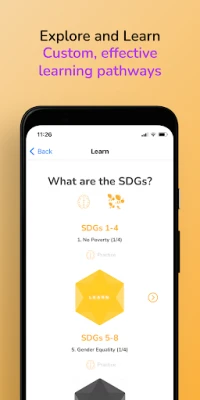
- Creating Modules: Break down the content into manageable sections.
- Sequencing: Arrange the resources in a logical order that builds upon previous knowledge.
- Incorporating Assessments: Include quizzes or reflection prompts to reinforce learning.
Enhancing Engagement and Retention
To optimize engagement and retention, consider the following strategies:
1. Use Interactive Elements
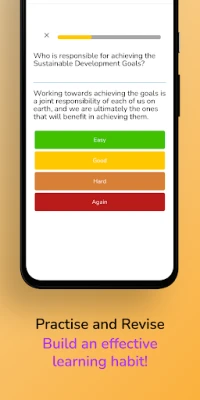
Incorporate interactive elements such as quizzes, polls, and discussion boards. These features encourage active participation, making the learning experience more dynamic and memorable.
2. Foster a Community of Learners
Creating a community around your learning pathways can enhance motivation and accountability. Encourage discussions, share insights, and collaborate on projects to deepen understanding and retention.
3. Utilize Visual Aids
Visual aids such as infographics, charts, and diagrams can simplify complex information and make it more digestible. They also cater to visual learners, enhancing overall engagement.
Ensuring Accessibility
Accessibility is crucial in mixed-media learning. Here are some tips to ensure your resources are accessible to all learners:
1. Provide Alternative Formats
Offer resources in various formats to accommodate different needs. For instance, provide transcripts for videos and captions for audio content to support learners with hearing impairments.
2. Use Clear Language
Ensure that the language used in your resources is clear and straightforward. Avoid jargon and complex terminology that may alienate some learners.
3. Test for Usability
Regularly test your learning pathways for usability. Gather feedback from users to identify areas for improvement and make necessary adjustments to enhance the learning experience.
Sharing Your Learning Pathways
Once you have curated your mixed-media learning pathways, consider sharing them with others. This not only helps fellow learners but also reinforces your own understanding. Here are some ways to share:
1. Create a Blog or Website
Establish a blog or website to showcase your curated resources. This platform allows you to reach a wider audience and engage with learners globally.
2. Utilize Social Media
Share your pathways on social media platforms to connect with other learners and educators. Use relevant hashtags to increase visibility and encourage discussions.
3. Host Workshops or Webinars
Consider hosting workshops or webinars to present your learning pathways. This interactive format allows for real-time engagement and feedback, enhancing the learning experience for participants.
Conclusion
Curating mixed-media learning resources into structured pathways is a powerful way to enhance engagement, retention, and accessibility. By following the steps outlined in this article, you can create effective learning experiences for yourself and others. Embrace the journey of learning, and enjoy the process of discovery and growth.
Rate the App
User Reviews














Popular Apps







Editor's Choice