




Latest Version
1.2.24
February 18, 2026
Luli Languages LLC
Education
Android
1
Free
com.lulilanguages.j5KjAnd
Report a Problem
More About Learn Japanese! - Kanji Study
Unlocking the Power of Kanji: A Comprehensive Guide to Effective Learning
Mastering Kanji can be a daunting task for many learners of the Japanese language. However, with the right tools and methods, you can simplify the process and make it enjoyable. This article explores the essential features of an effective Kanji learning program that can help you achieve fluency and confidence in reading and writing Japanese.
Engaging Writing Quizzes
One of the most effective ways to reinforce your learning is through interactive writing quizzes. These quizzes not only test your knowledge but also enhance your retention of Kanji characters. By regularly engaging in these quizzes, you can track your progress and identify areas that need improvement. This active learning approach ensures that you are not just memorizing characters but truly understanding their usage in context.
Comprehensive Lessons with On and Kun Readings
Understanding the two primary readings of Kanji—On (Chinese readings) and Kun (Japanese readings)—is crucial for mastering the language. A well-structured learning program includes lessons that cover both readings, allowing you to grasp the nuances of each character. This dual approach not only enriches your vocabulary but also prepares you for real-life conversations and reading comprehension.
Levels Aligned with JLPT Kanji Lists
To ensure a systematic learning experience, it’s essential to follow a curriculum that aligns with the Japanese Language Proficiency Test (JLPT) Kanji lists. This structured progression helps learners build their skills gradually, starting from the basics and advancing to more complex characters. By adhering to these levels, you can set achievable goals and measure your progress effectively.
Innovative Show and Quiz Style Teaching Method
The combination of visual aids and quizzes creates an engaging learning environment. The show and quiz style teaching method allows learners to see Kanji characters in action, followed by immediate testing to reinforce memory. This dynamic approach caters to various learning styles, making it easier for everyone to grasp the intricacies of Kanji.
Bidirectional Translation: English to Japanese and Japanese to English
To truly master Kanji, it’s important to understand the relationship between English and Japanese. A comprehensive learning tool should facilitate bidirectional translation, allowing you to practice translating from English to Japanese and vice versa. This feature not only enhances your vocabulary but also deepens your understanding of sentence structure and context.
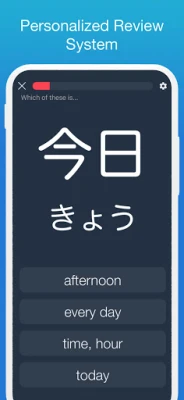
Effortless Review of Previously Learned Lessons
Revisiting previously learned material is vital for long-term retention. An effective Kanji learning program should offer an easy way to review past lessons. This feature allows you to refresh your memory and solidify your understanding of characters you’ve already studied, ensuring that you don’t forget what you’ve learned as you progress.
Audio Pronunciation for Accurate Learning
Correct pronunciation is key to effective communication in any language. Incorporating audio pronunciation into your learning routine helps you develop a natural accent and improves your listening skills. By hearing native speakers pronounce Kanji characters, you can mimic their intonation and rhythm, which is essential for achieving fluency.
No Network Access Required: Learn Anytime, Anywhere
Flexibility is a significant advantage of modern learning tools. A program that does not require network access allows you to study Kanji at your convenience, whether you’re at home, commuting, or traveling. This feature ensures that you can make the most of your time and stay consistent in your learning journey, regardless of your location.
Conclusion: Your Path to Kanji Mastery
In conclusion, mastering Kanji is an achievable goal with the right resources and strategies. By utilizing a program that incorporates engaging quizzes, comprehensive lessons, and innovative teaching methods, you can enhance your learning experience. Remember to take advantage of features like bidirectional translation, audio pronunciation, and offline access to maximize your study sessions. With dedication and the right tools, you’ll be well on your way to becoming proficient in Kanji and enjoying the beauty of the Japanese language.
Rate the App
User Reviews















Popular Apps










Editor's Choice