

Latest Version
1.6.178.1.591
February 06, 2026
Active911, Inc
Communication
Android
0
Free
com.active911.app
Report a Problem
More About ActiveAlert
Revolutionizing Emergency Response: The Power of Google Cloud Messaging
In the fast-paced world of emergency services, effective communication is paramount. The transition from traditional SMS to Google Cloud Messaging (GCM) has transformed how 911 pages are received and managed. This article explores the innovative features that enhance dispatch efficiency and improve response times for emergency responders.
Seamless Communication with Google Cloud Messaging
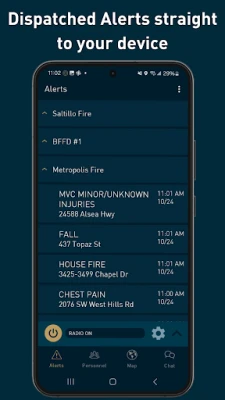
Utilizing Google Cloud Messaging instead of conventional SMS for 911 pages ensures that emergency alerts are delivered swiftly and reliably. GCM provides a robust platform that minimizes delays, allowing first responders to receive critical information in real-time. This shift not only enhances communication but also significantly improves the overall efficiency of emergency response operations.
Transforming Dispatch Data into Readable Formats
One of the challenges faced by emergency responders is deciphering hard-to-read dispatch data. The latest technology converts complex information into clear, legible sections, making it easier for responders to understand the situation at hand. This clarity is crucial during high-pressure scenarios, where every second counts.
Organized Management of Calls
Efficiently managing past and current calls is essential for any emergency service. The system allows responders to access and organize call data systematically. This organized approach not only aids in tracking ongoing incidents but also provides valuable insights for future reference, ensuring that responders are always prepared.
Automatic Mapping of Alarm Locations
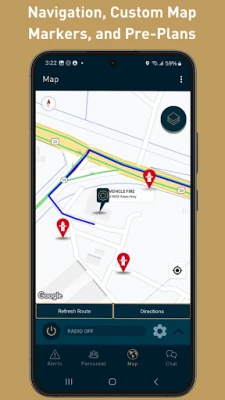
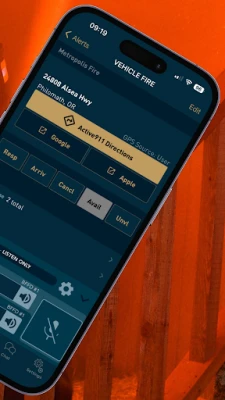
In emergency situations, knowing the exact location of an incident is vital. The technology automatically maps alarm locations, providing responders with precise coordinates. This feature eliminates confusion and allows for quicker navigation to the scene, ultimately saving lives and improving response times.
Active Response Tracking for Enhanced Accountability
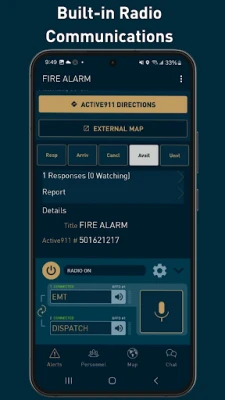
The “Active” response feature enables tracking of response efforts in real-time. This functionality allows command centers to monitor the status of responders, ensuring that all units are accounted for and that assistance is dispatched as needed. Enhanced accountability fosters a more coordinated response, which is crucial during emergencies.
Real-Time Visibility of Other Responders
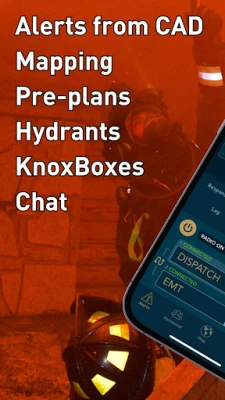
Collaboration among emergency responders is essential for effective incident management. The system provides a live map that displays the locations of other responders in real-time. This visibility allows teams to coordinate their efforts more effectively, ensuring that resources are allocated efficiently and that no responder is left isolated.
Access to Critical Documents and Photos
In the field, having access to relevant information can make a significant difference. Responders can retrieve important documents and photos directly from their mobile devices, including pre-incident plans and situational images. This access to vital resources enhances situational awareness and equips responders with the knowledge they need to handle incidents effectively.
Conclusion: The Future of Emergency Response
Formerly known as Active911, this innovative platform is redefining how emergency services operate. By leveraging Google Cloud Messaging and advanced technology, responders can communicate more effectively, manage incidents with greater organization, and access critical information on the go. As the landscape of emergency response continues to evolve, embracing these technological advancements will be key to improving outcomes and saving lives.
Rate the App
User Reviews















Popular Apps










Editor's Choice