
Latest Version
1.0.6
June 12, 2025
响 李
Games
iOS
170.8 MB
0
Free
Report a Problem
More About 眼力大师2
Unlocking the Secrets of Chinese Characters: A Fun and Educational Journey
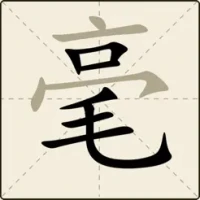
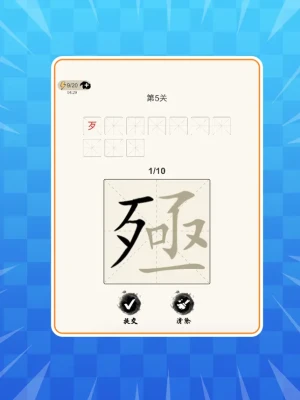
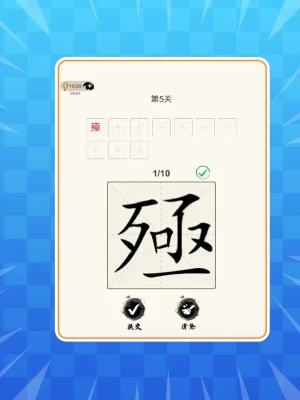
Learning Chinese can be an exciting adventure, especially when you dive into the world of Chinese characters. By combining radicals and components, you can form various characters, enhancing your understanding and appreciation of the language. This article explores how engaging with these characters not only helps you pass language challenges but also unlocks a treasure trove of knowledge.
Understanding Chinese Characters
Chinese characters, or 汉字 (hànzì), are logograms used in the writing of Chinese. Each character represents a syllable and often conveys a specific meaning. The beauty of these characters lies in their structure, which is often based on radicals—the building blocks of the language. By mastering these components, learners can decipher and create new characters with ease.
The Role of Radicals in Learning Chinese
Radicals are essential in understanding the meaning and pronunciation of Chinese characters. They serve as clues to the character's definition and can significantly aid in memorization. For instance, the radical for water (水) appears in characters related to water, such as 河 (hé) meaning river, and 海 (hǎi) meaning sea. By recognizing these patterns, learners can enhance their vocabulary and comprehension.
Combining Radicals to Form Characters
One of the most engaging aspects of learning Chinese is the ability to combine radicals to create new characters. This process not only reinforces your understanding of the language but also makes learning interactive and enjoyable. For example, by combining the radical for tree (木) with the character for person (人), you create 林 (lín), which means forest. This method of learning encourages creativity and critical thinking.
Interactive Learning Through Games
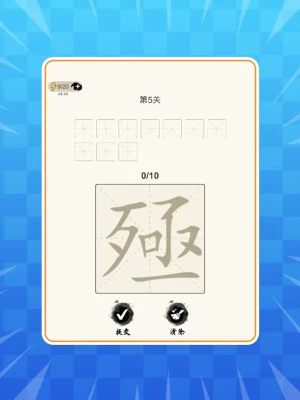
Incorporating games into your study routine can significantly enhance your learning experience. Many educational platforms offer games that challenge you to form characters using radicals. These interactive tools make the learning process fun and engaging, allowing you to recognize more characters and unlock additional knowledge. As you progress, you’ll find yourself more confident in your ability to read and write in Chinese.
Expanding Your Knowledge Base
As you delve deeper into the world of Chinese characters, you’ll discover that each character carries a rich history and cultural significance. Understanding these backgrounds can provide context that enhances your learning experience. For instance, the character 爱 (ài), meaning love, is composed of the radical for heart (心) and the character for friend (友). This combination reflects the cultural importance of love and friendship in Chinese society.
Tips for Mastering Chinese Characters
- Practice Regularly: Consistency is key when learning a new language. Set aside time each day to practice writing and recognizing characters.
- Use Flashcards: Create flashcards with characters on one side and their meanings on the other. This method aids in memorization and recall.
- Engage with Native Speakers: Conversing with native speakers can provide practical experience and help reinforce your learning.
- Explore Cultural Context: Understanding the cultural significance of characters can deepen your appreciation and retention of the language.
Conclusion: Embrace the Journey of Learning
Learning Chinese characters through the combination of radicals is not just about passing tests; it’s about embarking on a journey filled with discovery and knowledge. By engaging with the language in a fun and interactive way, you’ll unlock new skills and insights that will enrich your understanding of Chinese culture. So, dive in, explore, and enjoy the process of mastering this beautiful language!
Rate the App
User Reviews


![[Premium] RPG Seek Hearts](https://app-corner.com/images/17777565248864039.webp)












Popular Apps










Editor's Choice