



Latest Version
2.3.9
January 30, 2026
Sweet Love Studio
Education
Android
0
Free
studio.love.sweet.studytips
Report a Problem
More About Study Tips
Ultimate Study Tips for Academic Success in 2023
Students striving for academic excellence often seek effective strategies to maximize their study time and enhance their grades. To assist you in achieving your educational goals, we have compiled a comprehensive list of study tips and tricks designed to help you develop a robust learning strategy. Whether you are preparing for exams or tackling assignments, these insights will guide you toward success.
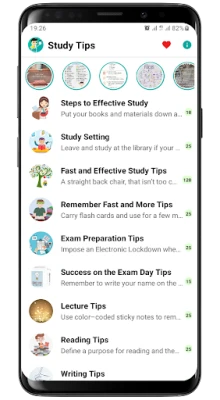
Steps to Effective Study
Effective studying begins with a clear plan. Start by setting specific, measurable goals for each study session. Break your material into manageable chunks and prioritize topics based on their difficulty and importance. This structured approach will help you stay focused and motivated.
Creating the Ideal Study Setting
Your study environment plays a crucial role in your ability to concentrate. Choose a quiet, well-lit space free from distractions. Ensure you have all necessary materials at hand, such as textbooks, notebooks, and stationery. Personalize your space with motivational quotes or images to inspire you during your study sessions.
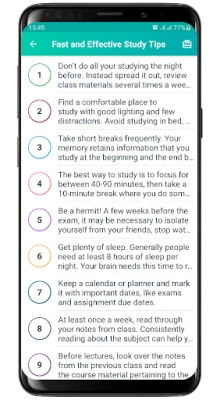
Fast and Effective Study Tips
To study efficiently, consider these quick tips:
- Use Active Learning: Engage with the material by summarizing information in your own words, teaching concepts to others, or creating mind maps.
- Practice Retrieval: Test yourself regularly on the material to reinforce your memory and identify areas needing improvement.
- Utilize Technology: Leverage apps and online resources for interactive learning experiences and additional practice.
Remembering Fast and More Tips
To enhance retention, employ mnemonic devices, acronyms, or visualization techniques. These methods can make complex information easier to recall during exams.
Exam Preparation Tips
As exams approach, focus on comprehensive review sessions. Create a study schedule that allocates time for each subject, ensuring you cover all necessary material. Practice with past exam papers to familiarize yourself with the format and types of questions you may encounter.
Success on Exam Day
On the day of the exam, ensure you are well-rested and have a nutritious breakfast. Arrive early to the exam venue to avoid unnecessary stress. Read through the questions carefully and manage your time wisely during the test.
Lecture Tips
Maximize your learning during lectures by actively participating. Take detailed notes, ask questions, and engage in discussions. Reviewing your notes shortly after the lecture can reinforce your understanding and retention of the material.
Effective Reading Strategies
When tackling reading assignments, employ techniques such as skimming for main ideas and scanning for specific information. Highlight key points and take notes to enhance comprehension and retention.
Writing Tips for Academic Success
Strong writing skills are essential for academic success. Start by outlining your ideas before drafting your paper. Use clear and concise language, and always proofread your work for grammar and clarity. Seek feedback from peers or instructors to improve your writing further.
Test-Taking Strategies
During tests, read all instructions carefully and allocate your time according to the marks assigned to each question. If you encounter difficult questions, move on and return to them later to ensure you complete the exam.
Language Learning Tips
For those learning new languages, immerse yourself in the language through conversation, music, and media. Practice speaking and writing regularly to build confidence and fluency.
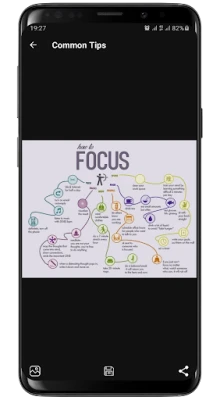
Enhancing Focus and Concentration
To improve your focus, eliminate distractions by turning off notifications on your devices. Use techniques like the Pomodoro Technique, which involves studying for 25 minutes followed by a 5-minute break, to maintain concentration and prevent burnout.
Stress Management Techniques
Managing stress is vital for effective studying. Incorporate relaxation techniques such as deep breathing, meditation, or physical exercise into your routine to maintain a balanced mindset.
Time Management Skills
Effective time management is key to academic success. Use planners or digital calendars to schedule study sessions, assignments, and breaks. Prioritize tasks based on deadlines and importance to stay organized and on track.
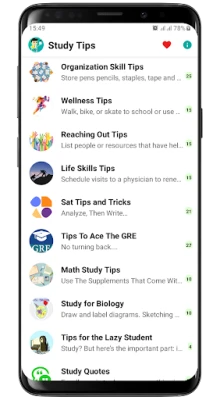
Organization Skills for Students
Keep your study materials organized by using folders, binders, or digital tools. A clutter-free workspace can enhance your focus and efficiency.
Wellness Tips for Academic Success
Prioritize your physical and mental well-being. Ensure you get adequate sleep, eat nutritious meals, and engage in regular physical activity. A healthy lifestyle supports cognitive function and overall performance.
Reaching Out for Support
Don’t hesitate to seek help when needed. Reach out to teachers, classmates, or academic advisors for guidance and support. Collaborative study groups can also provide motivation and diverse perspectives on challenging topics.
Essential Life Skills for Students
Developing life skills such as critical thinking, problem-solving, and effective communication will benefit you not only in academics but also in your future career. Engage in activities that foster these skills, such as group projects or extracurricular involvement.
Tips for SAT and GRE Success
For standardized tests like the SAT and GRE, familiarize yourself with the test format and question types. Practice with official materials and consider taking preparatory courses to enhance your performance.
Subject-Specific Study Tips
For subjects like math and biology, focus on understanding concepts rather than memorization. Practice problems regularly and utilize visual aids like diagrams and charts to reinforce your learning.
Motivational Tips for the Reluctant Student
If you find it challenging to stay motivated, set small, achievable goals and reward yourself for reaching them. Surround yourself with positive influences and remind yourself of your long-term objectives.
Inspirational Study Quotes
Lastly, keep your spirits high with motivational quotes. Phrases like "Success is the sum of small efforts, repeated day in and day out" can inspire you to stay committed to your studies.
By implementing these study tips and strategies, you can enhance your learning experience and achieve your academic goals. Remember, effective studying is a skill that takes time to develop, so be patient and persistent in your efforts.
Rate the App
User Reviews















Popular Apps










Editor's Choice