

Latest Version
January 28, 2026
SPOTTERON
Education
Android
0
Free
com.spotteron.spiderspotter
Report a Problem
More About SpiderSpotter | SPOTTERON
Understanding Spider Adaptations: Color and Webs in Urban Environments
Spiders are remarkable creatures that exhibit fascinating adaptations, particularly in urban settings. This article delves into two significant traits of spiders: their color and the structure of their webs. By examining these characteristics, we can gain insights into how spiders thrive in cities and what this means for our understanding of climate change and urban ecology.
The Impact of Color on Spider Survival
Spider color plays a crucial role in their survival, especially in urban environments. Just as a white car remains cooler than a black car under the sun, lighter-colored spiders tend to absorb less heat compared to their darker counterparts. This phenomenon suggests that city-dwelling spiders may evolve to exhibit lighter hues, which helps them avoid overheating in the already warm urban landscape.
In cities, where temperatures can soar due to the heat island effect, lighter-colored spiders may have a distinct advantage. This adaptation not only aids in thermoregulation but also enhances their chances of survival in a challenging environment. As urban areas continue to expand, understanding these color adaptations becomes increasingly important for predicting how spider populations will respond to climate change.
Web Structure: A Key to Prey Capture
Spider webs serve as the primary tool for capturing prey, making their structure vital for survival. In urban settings, where prey availability is often limited, we can expect to see spiders adapting their web designs. Specifically, spiders may develop webs with smaller mesh sizes, which are more efficient at trapping the limited prey that exists in cities.
This adaptation not only reflects the spiders' ability to modify their hunting strategies but also highlights the intricate relationship between urban ecosystems and the species that inhabit them. By studying these changes in web structure, researchers can gain valuable insights into the ecological dynamics of urban environments and the resilience of spider populations.
Why Study Spider Adaptations in Urban Environments?
Investigating how spiders adapt to city living provides essential information about broader ecological trends, particularly in the context of climate change. Understanding these adaptations can help us comprehend how various species respond to shifting environmental conditions. Moreover, studying spider color can serve as a natural thermometer, offering a unique perspective on how quickly our surroundings are heating up.
By examining the mechanisms through which spiders utilize color to regulate their temperature, we may uncover innovative strategies for humans to cope with urban heat. This knowledge could lead to the development of new materials or designs that help mitigate heat in city environments, ultimately improving our quality of life.
Join the SpiderSpotter Project
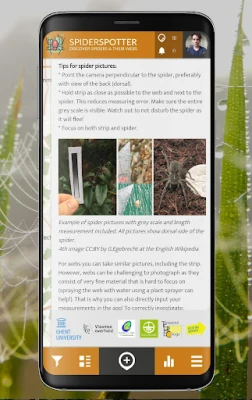
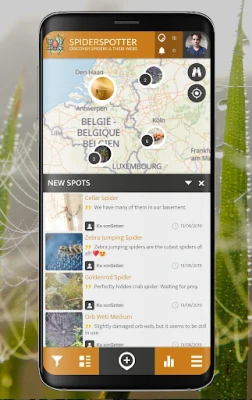
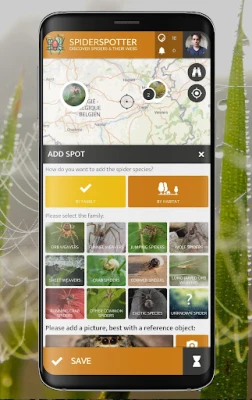
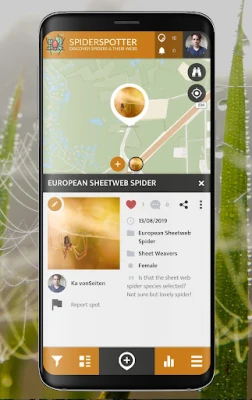
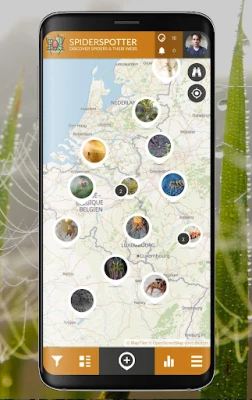
For those interested in contributing to this fascinating field of study, the SpiderSpotter project offers an excellent opportunity. This initiative operates on the SPOTTERON Citizen Science platform, allowing individuals to engage in meaningful research while learning more about spider adaptations and urban ecology.
By participating in the SpiderSpotter project, you can help gather valuable data that contributes to our understanding of how spiders adapt to city living. Your involvement not only aids scientific research but also fosters a greater appreciation for the incredible resilience of these often-overlooked creatures.
Conclusion
In summary, the study of spider adaptations, particularly in terms of color and web structure, provides critical insights into how these creatures navigate the challenges of urban environments. As we face the realities of climate change, understanding these adaptations becomes increasingly vital. By exploring the fascinating world of spiders, we can learn valuable lessons about resilience, adaptation, and the interconnectedness of urban ecosystems.
Engage with the SpiderSpotter project today and become a part of the effort to uncover the secrets of spider survival in our cities!
Rate the App
User Reviews















Popular Apps










Editor's Choice