


Latest Version
December 18, 2025
Dominik Gyecsek
Education
Android
0
Free
com.chillnstudy.phenes
Report a Problem
More About Practical Spanish Phrases
Master Language Learning: Filter and Study by Levels and Topics
In the ever-evolving world of language learning, having the right tools can make all the difference. Whether you're a beginner or an advanced learner, the ability to filter and study by levels and topics is essential for effective mastery. This article explores how to optimize your language learning experience through structured study methods, spaced repetition, and innovative features that enhance your learning journey.
Filter and Study by Proficiency Levels
Language learners often find themselves at different stages of proficiency, categorized into levels such as A1, A2, B1, B2, C1, and C2. These levels, defined by the Common European Framework of Reference for Languages (CEFR), help learners identify their current skills and set achievable goals.
By filtering study materials according to these levels, learners can focus on content that matches their proficiency. This targeted approach ensures that you are not overwhelmed by advanced vocabulary or grammar rules before you are ready. Instead, you can build a solid foundation and gradually progress to more complex concepts.
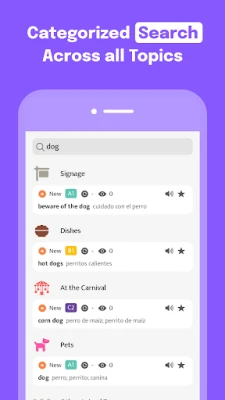
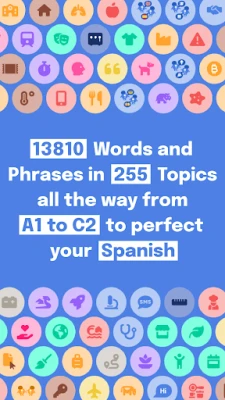
Dive into 255 Topics for Comprehensive Learning
Language learning is not just about vocabulary; it’s about context. With access to 255 diverse topics, learners can immerse themselves in various subjects that pique their interest. From travel and culture to business and technology, these topics provide a rich backdrop for vocabulary acquisition and practical usage.
Engaging with a wide range of topics not only enhances your vocabulary but also improves your ability to use the language in real-life situations. This contextual learning approach makes it easier to remember words and phrases, as they are associated with meaningful content.
Utilize Spaced Repetition for Effective Retention
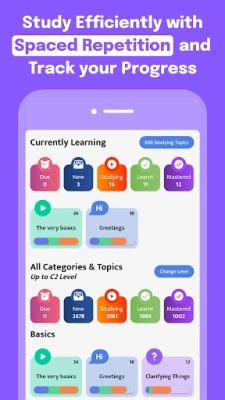
One of the most powerful techniques in language learning is spaced repetition. This method prioritizes the review of words and phrases that you struggle with the most, ensuring that you reinforce your memory effectively. By revisiting challenging vocabulary at strategically spaced intervals, you can significantly enhance your retention rates.
Spaced repetition algorithms analyze your performance and adjust the frequency of word reviews accordingly. This personalized approach means you spend less time on words you already know and more time on those that require additional practice, making your study sessions more efficient.
Study Anytime, Anywhere with Flexible Notifications
In today’s fast-paced world, flexibility is key. With the ability to study without even opening the app, learners can take advantage of flexibly scheduled notifications. Whether you’re on your commute, at the gym, or simply enjoying a break, you can receive reminders that keep you engaged with your language learning goals.
This feature allows you to integrate language practice into your daily routine seamlessly, ensuring that you make consistent progress without feeling overwhelmed.
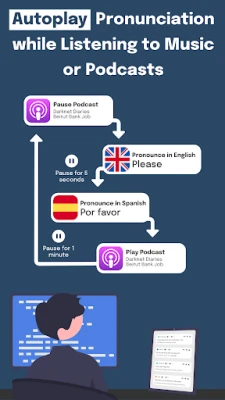
Hands-Free Learning with Flashcard Autoplay
For those moments when you can’t use your hands, the flashcard autoplay feature is a game-changer. This functionality allows you to listen to the pronunciation of words and phrases while the flashcards cycle through automatically. It’s perfect for multitasking or when you want to absorb language passively.
By listening to the correct pronunciations repeatedly, you can improve your auditory skills and pronunciation, making it easier to communicate effectively in your target language.
Practice with Your Favorite Quiz Types
Reinforcement is crucial in language learning, and practicing with various quiz types can help solidify your understanding of vocabulary and grammar. Whether you prefer multiple-choice questions, fill-in-the-blanks, or matching exercises, having a variety of quiz formats keeps your study sessions engaging and effective.
By regularly testing yourself, you can identify areas that need improvement and track your progress over time. This active engagement with the material enhances your learning experience and boosts your confidence in using the language.
Offline Functionality for Uninterrupted Learning
One of the standout features of modern language learning tools is their offline functionality. With the ability to access search, pronunciations, and all practice types without an internet connection, you can study anytime, anywhere. This is particularly beneficial for learners who may not always have reliable internet access.
Offline capabilities ensure that your learning journey is uninterrupted, allowing you to make the most of every moment, whether you’re traveling or simply away from Wi-Fi.
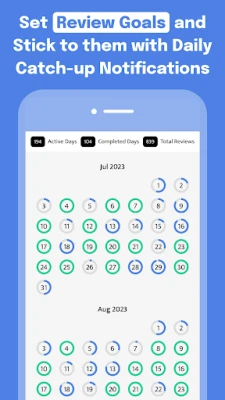
Set Review Goals to Stay Motivated
Setting clear review goals is essential for maintaining motivation and tracking progress. By establishing specific targets for vocabulary retention and practice frequency, you can create a structured learning plan that keeps you accountable.
Regularly reviewing your goals and adjusting them as needed can help you stay focused and motivated throughout your language learning journey. Celebrate your achievements, no matter how small, to maintain a positive mindset and encourage continued progress.
Backup Your Progress with an Account
In the digital age, safeguarding your progress is crucial. By creating an account, you can back up your learning data, ensuring that your hard work is never lost. This feature allows you to access your progress from multiple devices, making it easy to continue your studies wherever you are.
Having a secure backup also provides peace of mind, allowing you to focus on what truly matters: mastering your target language.
Conclusion: Elevate Your Language Learning Experience
In conclusion, effective language learning requires the right tools and strategies. By filtering and studying by levels and topics, utilizing spaced repetition, and taking advantage of innovative features, you can create a personalized and efficient learning experience. Embrace the flexibility of modern language learning tools, set achievable goals, and enjoy the journey of mastering a new language.
Rate the App
User Reviews















Popular Apps










Editor's Choice