

Latest Version
1.0.1
December 20, 2025
royalapp
Games
Android
0
Free
com.royalapp.killravan
Report a Problem
More About Kill Ravan
Vijaya Dashami: Celebrating the Triumph of Good Over Evil
Vijaya Dashami, also known as Dussehra or Ayudhapuja, stands as one of the most significant festivals in the Hindu calendar, celebrated with great fervor across India. This vibrant festival symbolizes the ultimate victory of good over evil, marking a time of reflection, joy, and cultural significance.
The Meaning Behind Vijaya Dashami
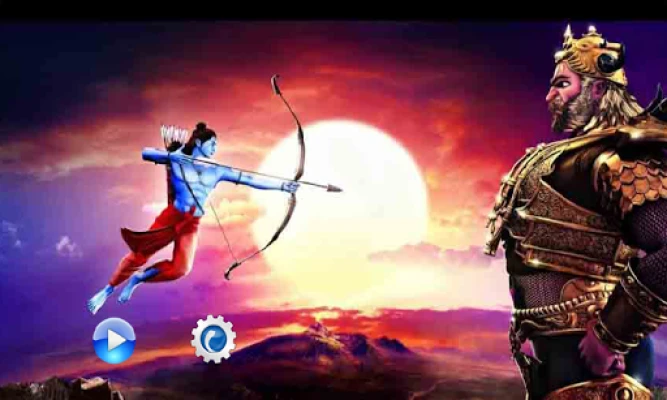
The term "Dussehra" originates from the Sanskrit words "Dasha" and "Hara," which translate to "defeat of the ten-headed one," referring to the demon king Ravana. This festival commemorates Lord Rama's triumph over Ravana, illustrating the eternal struggle between righteousness and malevolence. The narrative of Vijaya Dashami serves as a reminder that virtue ultimately prevails, inspiring millions to uphold moral values in their lives.
Historical Significance of Dussehra
Vijaya Dashami has deep historical roots, with its origins traced back to ancient Hindu scriptures. The festival is celebrated on the tenth day of the Hindu month of Ashwin, typically falling in September or October. It marks the culmination of the nine-day festival of Navratri, which honors the divine feminine energy through various forms of the goddess Durga.
During Navratri, devotees engage in fasting, prayers, and cultural performances, culminating in Vijaya Dashami, where the effigies of Ravana, his brother Kumbhakarna, and his son Meghnath are set ablaze. This act symbolizes the destruction of evil and the restoration of dharma (righteousness).
Cultural Celebrations Across India
Vijaya Dashami is celebrated with unique customs and traditions across different regions of India. In the northern states, grand processions and dramatic reenactments of the Ramayana take place, showcasing the epic battle between Lord Rama and Ravana. The burning of effigies is a spectacular sight, drawing crowds who cheer as the flames engulf the representations of evil.
In southern India, the festival is marked by Ayudhapuja, where tools, vehicles, and instruments are worshipped, symbolizing the importance of knowledge and skill in achieving success. This practice reflects the reverence for the means of livelihood and the acknowledgment of hard work.
Rituals and Traditions of Vijaya Dashami
The rituals associated with Vijaya Dashami vary by region but share a common theme of celebrating victory and renewal. Key traditions include:
- Durga Visarjan: In many parts of India, the immersion of Durga idols in water bodies marks the end of Navratri and the beginning of Vijaya Dashami.
- Rama Lila: The enactment of the Ramayana, known as Rama Lila, is a popular tradition where local artists perform the epic tale, culminating in the defeat of Ravana.
- Worship of Tools: In southern India, Ayudhapuja involves the worship of tools and instruments, emphasizing the significance of one's profession and skills.
The Spiritual Essence of Vijaya Dashami
Beyond the festivities, Vijaya Dashami holds profound spiritual significance. It encourages individuals to reflect on their own lives, urging them to conquer personal demons and negative traits. The festival serves as a reminder to embrace positivity, compassion, and integrity, fostering a sense of community and togetherness.
Conclusion: Embracing the Spirit of Vijaya Dashami
Vijaya Dashami is more than just a festival; it is a celebration of life, resilience, and the unwavering spirit of humanity. As people come together to honor the victory of good over evil, they also reaffirm their commitment to righteousness in their daily lives. This festival, rich in tradition and meaning, continues to inspire generations, reminding us that no matter how dark the times may seem, the light of goodness will always prevail.
As you celebrate Vijaya Dashami, take a moment to reflect on the values it embodies and strive to incorporate them into your life. Let this festival be a beacon of hope and a catalyst for positive change in your community and beyond.
Rate the App
User Reviews















Popular Apps










Editor's Choice