

Latest Version
June 12, 2026
EZEN PARTNERS
Finance
Android
0
Free
com.ezenfinancials.ezen_landlords
Report a Problem
More About Ezen Landlords
Understanding Key Financial Metrics for Landlords
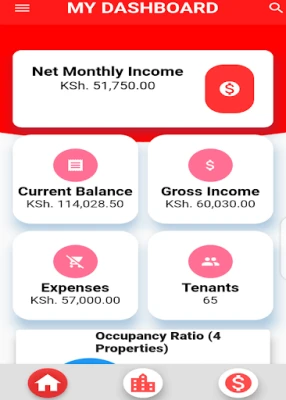
For landlords, managing a property effectively requires a clear understanding of various financial metrics. These metrics provide insights into the property's performance and help in making informed decisions. In this article, we will explore essential financial indicators such as Gross and Net Incomes, Expenses, Balances, Occupancy Ratios, Property Inspections, and Maintenance Schedules.
1. Gross and Net Incomes: The Foundation of Property Revenue
Gross income represents the total revenue generated from a property before any deductions. This includes rent payments, fees, and any additional income sources related to the property. Understanding gross income is crucial as it sets the stage for evaluating overall profitability.
On the other hand, net income is derived by subtracting operating expenses from gross income. This figure provides a clearer picture of the property's profitability, allowing landlords to assess their financial health accurately. Regularly monitoring both gross and net incomes helps landlords identify trends and make necessary adjustments to maximize revenue.
2. Managing Expenses: Keeping Costs in Check
Expenses are an inevitable part of property management. They encompass a wide range of costs, including maintenance, property management fees, utilities, insurance, and taxes. By categorizing and tracking these expenses, landlords can identify areas where they can cut costs and improve their bottom line.
Implementing a budget and regularly reviewing expenses can help landlords maintain financial control. Additionally, understanding the relationship between expenses and income is vital for ensuring that the property remains profitable over time.
3. Balances: Monitoring Financial Health
Keeping track of financial balances is essential for landlords to maintain a clear overview of their property’s financial status. This includes monitoring bank balances, accounts receivable, and accounts payable. Regularly reviewing these balances helps landlords ensure they have sufficient funds to cover expenses and reinvest in the property.
Utilizing accounting software can streamline this process, providing real-time insights into financial health and enabling landlords to make informed decisions quickly.
4. Occupancy Ratios: Assessing Property Performance
Occupancy ratios are critical indicators of a property's performance. This metric measures the percentage of occupied units compared to the total number of available units. A high occupancy ratio indicates strong demand and effective management, while a low ratio may signal issues that need addressing.
Landlords should aim for an optimal occupancy rate to ensure consistent cash flow. Regularly analyzing occupancy trends can help identify potential problems, such as pricing issues or inadequate marketing strategies, allowing landlords to take corrective action promptly.
5. Property Inspections: Ensuring Quality and Safety
Regular property inspections are vital for maintaining the quality and safety of rental units. These inspections help identify maintenance issues before they escalate, ensuring that the property remains in good condition and compliant with safety regulations.
Landlords should establish a routine inspection schedule and document findings to track the property's condition over time. This proactive approach not only enhances tenant satisfaction but also protects the landlord's investment.
6. Maintenance Schedules: Planning for Longevity
Creating a maintenance schedule is essential for preserving the value of a property. This schedule should outline regular maintenance tasks, such as HVAC servicing, plumbing checks, and landscaping. By adhering to a maintenance schedule, landlords can prevent costly repairs and extend the lifespan of their property.
Additionally, a well-maintained property attracts quality tenants and can justify higher rental rates. Landlords should prioritize maintenance as part of their overall property management strategy to ensure long-term success.
Conclusion: The Importance of Financial Metrics in Property Management
In conclusion, understanding and monitoring key financial metrics is crucial for landlords aiming to optimize their property management strategies. By focusing on gross and net incomes, managing expenses, monitoring balances, analyzing occupancy ratios, conducting property inspections, and adhering to maintenance schedules, landlords can enhance their property's performance and profitability.
By implementing these practices, landlords can not only safeguard their investments but also create a thriving rental business that meets the needs of their tenants while achieving financial success.
Rate the App
User Reviews















Popular Apps










Editor's Choice