


Latest Version
2.0
March 01, 2025
Fatih Metehan ERDEN
Games
iOS
159 MB
0
Free
Report a Problem
More About Boat Parking 3D
The Art of Boat Parking: Mastering the Dance of Docking
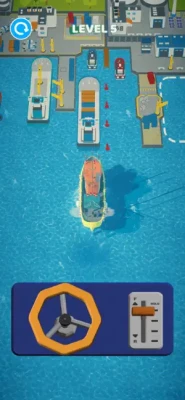
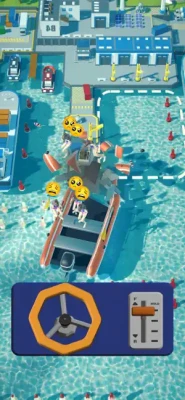
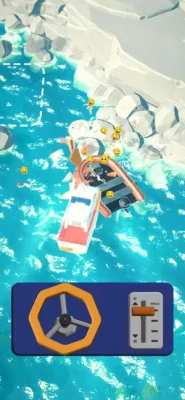
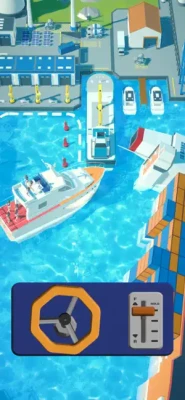
Parking a boat transcends the notion of merely completing a task; it embodies a delicate choreography between a massive vessel and the surrounding waters. The docks serve as the stage for this intricate performance, where every movement counts. As you guide your ship through the waves, executing precise maneuvers at the right moment is crucial for a successful docking experience. A single miscalculation can lead to collisions with other vessels or even grounding your boat, resulting in costly damages and potential repercussions for your captain's license. Conversely, mastering the art of boat parking not only enhances your reputation but also contributes to your financial success.
Understanding the Dynamics of Boat Parking
To excel in boat parking, one must grasp the fundamental dynamics at play. The size and weight of your vessel, the wind conditions, and the current all influence how your boat behaves in the water. Recognizing these factors allows you to anticipate how your ship will respond during docking maneuvers.
Assessing Environmental Conditions
Before attempting to park your boat, take a moment to assess the environmental conditions. Wind speed and direction can significantly impact your vessel's handling. Strong winds may push your boat off course, while calm waters provide a more stable environment for docking. Additionally, understanding the current's flow can help you plan your approach, ensuring a smoother transition into the dock.
Choosing the Right Docking Technique
There are various techniques for docking a boat, and the right choice depends on your vessel's size, the docking space available, and the environmental conditions. Here are some popular methods:
- Parallel Parking: Ideal for narrow slips, this technique involves aligning your boat parallel to the dock before reversing into the space.
- Perpendicular Parking: Best for wider docks, this method requires you to approach the dock at a right angle, allowing for easier entry.
- Bow-in Docking: This technique is useful when the wind is pushing your boat away from the dock. By approaching head-on, you can use your boat's bow to guide it into the slip.
Executing the Perfect Docking Maneuver
Once you've assessed the conditions and chosen your technique, it's time to execute the docking maneuver. Here are some essential tips to ensure a successful parking experience:
Maintain Control of Your Vessel
As you approach the dock, keep a firm grip on the wheel and maintain a steady speed. Too much throttle can lead to loss of control, while too little may hinder your ability to maneuver effectively. Use your throttle and steering in tandem to navigate your boat smoothly into the docking space.
Utilize Fenders and Lines
Fenders are your best friends when it comes to protecting your boat from potential damage during docking. Position them strategically along the sides of your vessel to cushion any contact with the dock. Additionally, have your lines ready to secure your boat once it's in position. This preparation will streamline the docking process and minimize the risk of accidents.
Communicate with Your Crew
If you're not alone on your boat, effective communication with your crew is vital. Assign specific roles, such as handling lines or monitoring the surroundings, to ensure everyone is on the same page. Clear instructions will help prevent confusion and enhance the overall efficiency of your docking maneuver.
Learning from Mistakes
Even the most experienced captains make mistakes. If you encounter challenges while parking your boat, take the opportunity to learn from them. Analyze what went wrong and consider how you can improve your technique for future docking attempts. Each experience, whether successful or not, contributes to your growth as a captain.
Conclusion: Become a Docking Maestro
In conclusion, parking a boat is an art form that requires skill, patience, and practice. By understanding the dynamics of your vessel, assessing environmental conditions, and executing precise maneuvers, you can transform the daunting task of docking into a graceful performance. Embrace the challenge, learn from your experiences, and soon you'll be recognized as a maestro of boat parking, earning both respect and financial rewards in the maritime community.
Now, captain, take the wheel and showcase your prowess in the world of boat parking!
Rate the App
User Reviews














Popular Apps










Editor's Choice