


Latest Version
1.2.2
May 15, 2026
mantapp
Games
Android
0
Free
com.mantapp.PolyBridgeConstruction
Report a Problem
More About PolyBridge Construction
Mastering Bridge Design: A Comprehensive Guide to Building Resilient Structures
In the world of bridge construction simulation games, players are presented with a unique opportunity to unleash their creativity while honing their engineering skills. This article delves into the intricacies of designing bridges, offering insights into the planning phase, material selection, and gameplay mechanics that ensure your structures can withstand the test of time and heavy loads.
Choosing the Right Design Mode
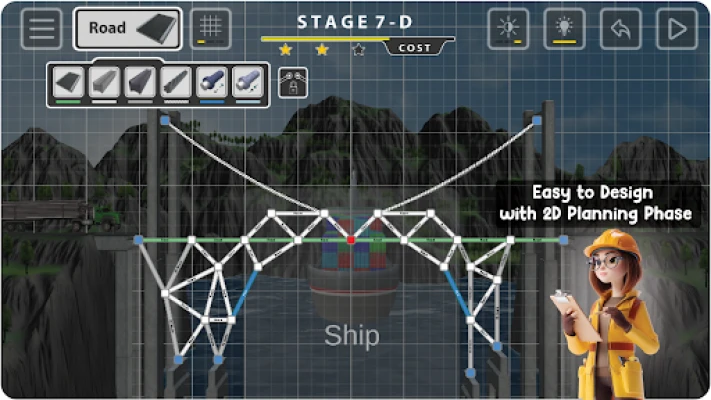
At the outset of your bridge-building adventure, you have the option to select between a 2D design mode and a more complex 3D testing mode. The 2D mode simplifies the design process, allowing you to focus on the fundamental aspects of bridge construction. Once you finalize your design, transition to 3D mode to evaluate how well your bridge performs under real-world conditions.
Understanding Vehicle Load Capacity
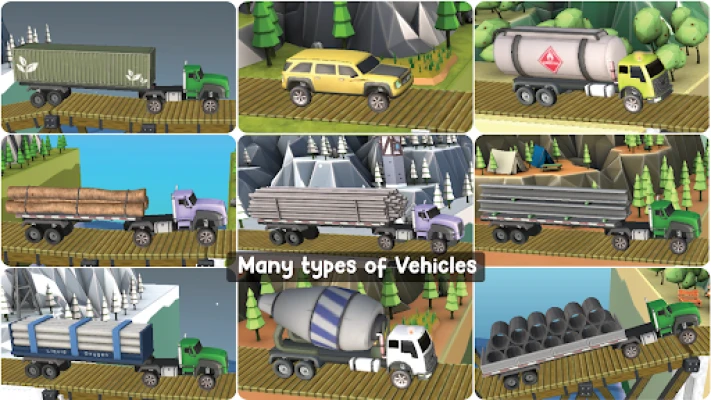
Your bridge must accommodate a diverse range of vehicles, from cars and buses to trucks and heavy-duty vehicles. Each vehicle type imposes different stress levels on the structure, making it crucial to consider load capacity during the design phase. By understanding the weight and dynamics of these vehicles, you can create a bridge that is both functional and safe.
Material Selection: Building with Strength
The choice of materials plays a pivotal role in the durability and efficiency of your bridge. You can utilize a variety of materials, including:
- Steel: Known for its strength and flexibility, steel is ideal for supporting heavy loads.
- Wood: A versatile material that offers aesthetic appeal and can be used in lighter structures.
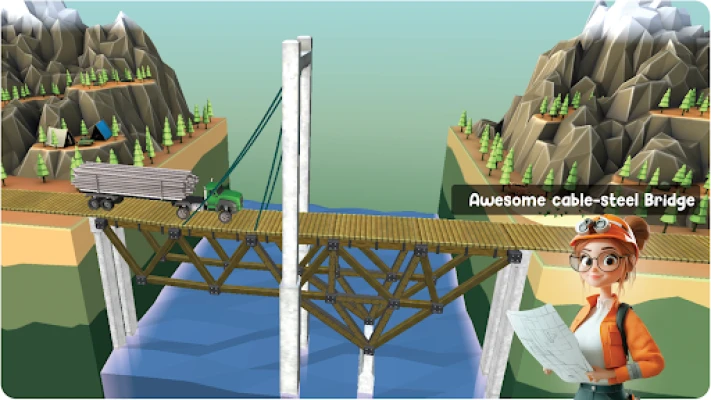
- Steel Ropes: Perfect for suspension bridges, providing tension and support.
Let your imagination guide you as you combine these materials to create intricate designs that not only look impressive but also perform exceptionally well.
Analyzing Landscape and Structural Integrity
Before finalizing your bridge design, it’s essential to assess the surrounding landscape. Consider factors such as:
- Balance: Ensure that your bridge distributes weight evenly to prevent collapse.
- Stability: Design your structure to withstand environmental forces like wind and earthquakes.
- Load Capacity: Calculate the maximum weight your bridge can support without compromising safety.
By thoroughly analyzing these elements, you can create a bridge that stands strong against various challenges.
Realistic Physics Engine: Testing Your Design
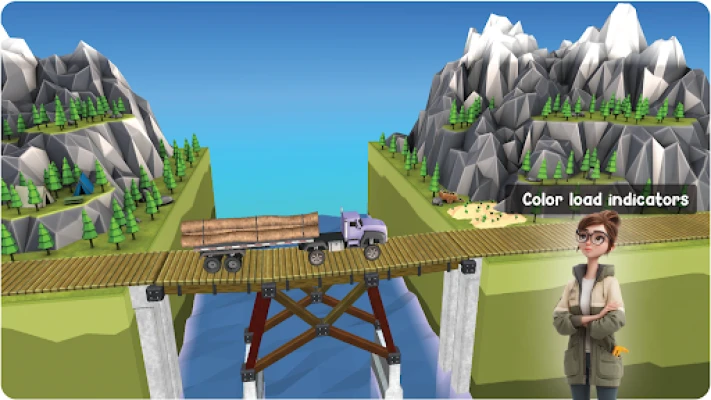
One of the standout features of this bridge-building game is its realistic physics engine. As you watch trucks traverse the bridges you’ve constructed, you’ll gain valuable insights into the performance of your design. The game visually represents the structure's tension and flexibility, allowing you to identify potential weaknesses.
Problem-Solving and Optimization
As you test your bridges, you may encounter design flaws that require your analytical and problem-solving skills. Use the feedback provided by the game to:
- Identify weak points in your structure.
- Make necessary adjustments to improve stability and load capacity.
- Optimize your design for better performance under stress.
This iterative process not only enhances your engineering skills but also makes the gameplay more engaging and rewarding.
Gameplay Mechanics: How to Play
To successfully navigate the challenges of bridge building, follow these simple steps:
- Drag materials: Use the interface to span gaps and create your bridge.
- Connect joints: Ensure all parts are securely joined to prevent collapses.
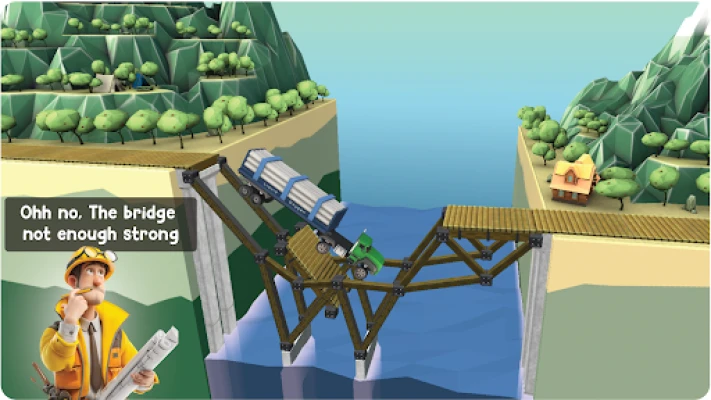
- Test with vehicles: Run various vehicles across your bridge to see if it holds or collapses.
Game Features: What to Expect
This bridge-building simulation offers a plethora of features designed to enhance your gaming experience:
- Detailed Environment: Immerse yourself in a beautifully rendered landscape that adds realism to your designs.
- Realistic Physics: Experience the laws of physics in action as your bridges respond to weight and stress.
- Challenging Levels: Tackle 32 unique levels, each presenting its own set of challenges and obstacles.
- Colour-Coded Load Indicators: Utilize these indicators to analyze and improve your bridge's performance effectively.
- Intuitive Interface: Enjoy a user-friendly 2D interface for planning and a dynamic 3D mode for testing.
Conclusion: Build, Test, and Perfect Your Bridges
Embarking on your bridge-building journey offers not only a chance to express your creativity but also an opportunity to develop critical engineering skills. By understanding the design process, selecting the right materials, and utilizing the game’s realistic physics, you can create bridges that are not only visually stunning but also structurally sound. So gather your materials, plan your designs, and get ready to build bridges that can withstand the heaviest of loads!
Rate the App
User Reviews















Popular Apps










Editor's Choice