





Latest Version
July 14, 2026
Alpha Z Studio
Education
Android
0
$1.99
com.alphazstudio.automobileengineeringpro
Report a Problem
More About Automobile Engineering Pro
Unlocking the Future: A Comprehensive Guide to Automotive Engineering Courses
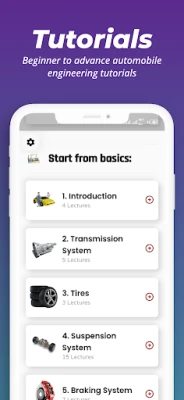
Automotive Engineering courses offer a unique blend of disciplines, incorporating essential tools and methodologies from Mechanical, Electrical, Electronic, Safety, and Software Engineering. This multidisciplinary approach empowers engineers to harmonize functionality, safety, and aesthetics, ultimately crafting the perfect driving machines. Within the realm of Automotive Engineering, students can choose to specialize in various areas, including design, research and development, testing and quality control, or the production of vehicles and automotive components.
The Evolution of Automotive Engineering
The field of Automotive Engineering is currently experiencing a significant transformation. As the global community becomes increasingly aware of environmental issues, the automotive industry is pivoting towards sustainable practices. Car manufacturers are actively seeking to reduce carbon dioxide emissions, leading to a shift away from traditional fossil fuels. This transition necessitates innovative car designs, advanced systems, and new manufacturing processes, making Automotive Engineering an exciting and relevant field of study.
Core Components of Automotive Engineering Courses
Automotive Engineering programs typically cover a wide range of subjects, ensuring that students acquire a comprehensive understanding of the industry. Key components of these courses include:
- Mechanical Engineering Principles: Understanding the mechanics of vehicles, including dynamics, thermodynamics, and materials science.
- Electrical and Electronic Systems: Learning about the electrical components that power modern vehicles, including batteries, sensors, and control systems.
- Safety Engineering: Focusing on the design and implementation of safety features to protect drivers and passengers.
- Software Engineering: Exploring the software that controls vehicle systems, including infotainment, navigation, and autonomous driving technologies.
Specialization Opportunities in Automotive Engineering
Students pursuing a degree in Automotive Engineering have the opportunity to specialize in various areas, allowing them to tailor their education to their interests and career goals. Some popular specializations include:
- Vehicle Design: Focusing on the aesthetics and functionality of vehicle exteriors and interiors.
- Research and Development: Innovating new technologies and improving existing systems to enhance vehicle performance and sustainability.
- Testing and Quality Control: Ensuring that vehicles meet safety and performance standards through rigorous testing protocols.
- Manufacturing Processes: Learning about the production techniques and technologies used in the automotive industry.
The Impact of Sustainability on Automotive Engineering
As the automotive industry shifts towards sustainability, the role of Automotive Engineers becomes increasingly vital. The demand for electric vehicles (EVs) and hybrid models is on the rise, prompting engineers to develop innovative solutions that minimize environmental impact. This includes:
- Battery Technology: Advancements in battery design and efficiency are crucial for the success of electric vehicles.
- Alternative Fuels: Researching and developing alternative fuel sources, such as hydrogen and biofuels, to reduce reliance on fossil fuels.
- Lightweight Materials: Utilizing advanced materials to reduce vehicle weight, thereby improving fuel efficiency and performance.
Career Prospects in Automotive Engineering
The career prospects for graduates of Automotive Engineering programs are promising. With the industry's ongoing evolution, there is a growing demand for skilled engineers who can navigate the complexities of modern vehicle design and production. Potential career paths include:
- Automotive Design Engineer: Responsible for creating innovative vehicle designs that meet consumer needs and regulatory standards.
- Research Engineer: Engaged in developing new technologies and improving existing systems to enhance vehicle performance.
- Quality Assurance Engineer: Ensuring that vehicles meet safety and performance standards through rigorous testing and evaluation.
- Manufacturing Engineer: Overseeing production processes and implementing improvements to enhance efficiency and reduce costs.
Conclusion: Embrace the Future of Automotive Engineering
Automotive Engineering courses provide a robust foundation for those looking to make a significant impact in the automotive industry. As the sector continues to evolve towards sustainability and innovation, the skills and knowledge gained through these programs will be invaluable. Whether you aspire to design cutting-edge vehicles, develop groundbreaking technologies, or ensure the highest quality standards, a career in Automotive Engineering offers exciting opportunities to shape the future of transportation.
Rate the App
User Reviews















Popular Apps










Editor's Choice