



Latest Version
July 14, 2026
Palfish Team
Education
Android
0
Free
com.palfish.singapore.math
Report a Problem
More About Palfish Singapore Math
Unlocking the Power of Personalized Learning: A Comprehensive Guide to Effective Teaching Methods
In today's fast-paced educational landscape, the need for innovative teaching methods has never been more critical. This article explores the transformative features of personalized learning, focusing on one-on-one instruction, engaging content, a robust teaching philosophy, and interactive interest classes. By understanding these elements, educators can create a more effective learning environment that fosters student engagement and mastery of essential skills.
1. The Advantages of One-on-One Teaching
One-on-one teaching is a powerful approach that places children at the center of their learning journey. This personalized method allows students to become the protagonists of their education, fostering deeper interaction and a more reliable mastery of knowledge. By tailoring lessons to individual needs, educators can significantly enhance the learning experience.
Moreover, offering instruction in multiple languages—such as Chinese, English, and Cantonese—creates a rich linguistic environment. This diversity not only improves children's language skills but also enhances their mathematical abilities, allowing them to develop a well-rounded skill set that is crucial in today's globalized world.
2. Engaging Teaching Content: The CPA Method
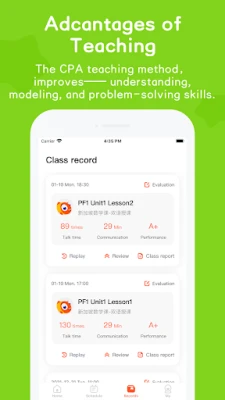
The CPA (Concrete, Pictorial, Abstract) teaching method is a cornerstone of effective mathematics instruction. This approach helps children grasp abstract concepts by transforming mathematical knowledge into tangible experiences through drawing and modeling. By engaging with materials in a hands-on manner, students can better understand complex ideas.
In addition to the CPA method, incorporating a balanced mix of problem-solving exercises and practical knowledge applications is essential. This strategy not only enhances children's reasoning abilities but also equips them with the skills needed to tackle real-world problems. By fostering a holistic understanding of mathematics, educators can prepare students for future academic and life challenges.
3. A Holistic Teaching Philosophy: Integrating Eastern and Western Educational Ideas
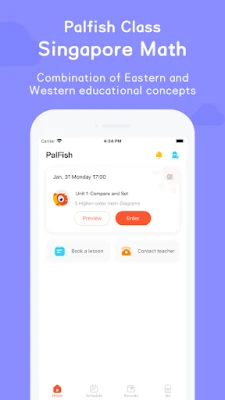
The teaching philosophy rooted in Singapore mathematics exemplifies the integration of Eastern and Western educational principles. This approach emphasizes the importance of exploration and problem-solving while also reinforcing critical thinking through extensive practice. By focusing on both the "what" and the "why" of mathematical concepts, children develop a deeper understanding of the subject matter.
Such a philosophy not only nurtures analytical skills but also encourages students to become independent thinkers. By drawing on the strengths of various educational traditions, this method cultivates a well-rounded approach to learning that prepares students for success in an increasingly complex world.
4. Creating Interest Through Interactive Classes
To truly engage students, it is essential to integrate the teaching process with interactive elements such as animations and games. By creating a dynamic and immersive classroom experience, educators can break through traditional teaching barriers and stimulate children's interest in learning.
These interest classes not only make learning enjoyable but also activate students' thinking and creativity. By fully engaging children in the learning process, educators can achieve optimal teaching outcomes, ensuring that students not only retain information but also develop a lifelong love for learning.
Conclusion: The Future of Education
As we move forward in the realm of education, the importance of personalized learning methods cannot be overstated. By embracing one-on-one teaching, engaging content, a holistic teaching philosophy, and interactive interest classes, educators can create a transformative learning environment. This approach not only enhances students' academic performance but also fosters a passion for knowledge that will serve them well throughout their lives.
In conclusion, the future of education lies in the ability to adapt and innovate. By implementing these effective teaching strategies, we can unlock the full potential of every student, preparing them for a successful and fulfilling future.
Rate the App
User Reviews














Popular Apps










Editor's Choice