

Latest Version
7.0
May 07, 2026
Softecks
Education
Android
0
Free
in.softecks.aerospaceengineering.free
Report a Problem
More About Aerospace Engineering
A Comprehensive Guide to Aerospace Engineering: Understanding the Fundamentals
Aerospace engineering is a dynamic and multifaceted field that encompasses various disciplines, including aeronautical engineering, aircraft maintenance engineering (AME), mechanical engineering, and automobile engineering. This article serves as a comprehensive introduction to the basics of aerospace engineering, providing valuable insights for both aspiring engineers and seasoned professionals seeking a refresher.
What Is Aerospace Engineering?
Aerospace engineering is the branch of engineering that focuses on the design, development, and maintenance of aircraft and spacecraft. It combines elements of mechanical, electrical, and materials engineering to create vehicles capable of operating in the Earth's atmosphere and beyond.
A Brief History of Aerospace Engineering
The roots of aerospace engineering can be traced back to the early 20th century, with significant milestones such as the Wright brothers' first powered flight in 1903. Over the decades, advancements in technology and materials have propelled the industry forward, leading to the development of commercial aviation and space exploration.
Duties of Aerospace Engineers
Aerospace engineers are responsible for a wide range of tasks, including:
- Designing and testing aircraft and spacecraft systems
- Conducting research to improve performance and safety
- Collaborating with multidisciplinary teams to solve complex engineering problems
- Ensuring compliance with industry regulations and standards
Work Environment for Aerospace Engineers
Aerospace engineers typically work in office settings, laboratories, and manufacturing facilities. They may also spend time on-site at testing facilities or during the production of aircraft and spacecraft. The work environment is often collaborative, requiring effective communication and teamwork.
How to Become an Aerospace Engineer
To pursue a career in aerospace engineering, individuals typically need a bachelor's degree in aerospace engineering or a related field. Advanced degrees can enhance job prospects and opportunities for specialization. Additionally, gaining practical experience through internships or co-op programs is highly beneficial.
Essential Qualities for Aerospace Engineers
Successful aerospace engineers possess a combination of technical skills and personal attributes, including:
- Strong analytical and problem-solving abilities
- Attention to detail and precision
- Creativity and innovation in design
- Effective communication skills
Licenses, Certifications, and Registrations
Many aerospace engineers pursue licensure as a Professional Engineer (PE), which requires passing the Fundamentals of Engineering (FE) exam and gaining relevant work experience. Additional certifications may also be beneficial for career advancement.
Advancement Opportunities for Aerospace Engineers
Aerospace engineers have various pathways for career advancement, including moving into management positions, specializing in specific areas of aerospace technology, or transitioning into research and development roles.
Aerospace Engineer Salaries
The salary of aerospace engineers can vary based on factors such as experience, education, and location. On average, aerospace engineers earn competitive salaries, with opportunities for growth as they gain experience and expertise.
Job Outlook for Aerospace Engineers
The job outlook for aerospace engineers remains positive, driven by ongoing advancements in technology and the increasing demand for efficient and safe air travel. The aerospace industry is expected to continue evolving, creating new opportunities for skilled engineers.
Related Careers in Aerospace Engineering
In addition to traditional aerospace engineering roles, there are various related careers, including:
- Systems engineers
- Manufacturing engineers
- Quality assurance engineers
- Research scientists
Key Concepts in Aerospace Engineering
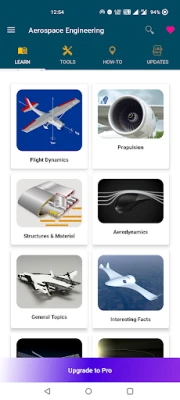
This application also covers several important concepts in aerospace engineering, including:
- Jet engine design and optimization
- Composite materials and their applications
- Supersonic aerodynamics and rocket science fundamentals
- Human factors in aviation safety
- Advancements in aircraft structural design
Conclusion
Aerospace engineering is a vital field that plays a crucial role in the advancement of technology and transportation. With a solid understanding of its principles and practices, aspiring engineers can contribute to the future of aviation and space exploration. Whether you are just starting your journey or looking to refresh your knowledge, this comprehensive guide serves as a valuable resource in the fascinating world of aerospace engineering.
Rate the App
User Reviews















Popular Apps










Editor's Choice