



Latest Version
4.10
September 20, 2024
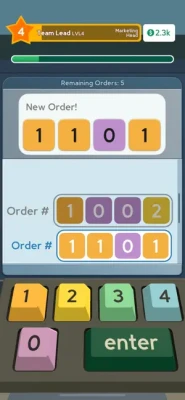
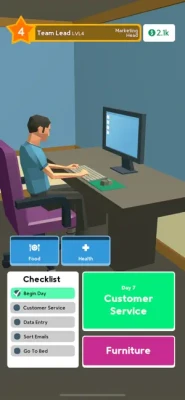
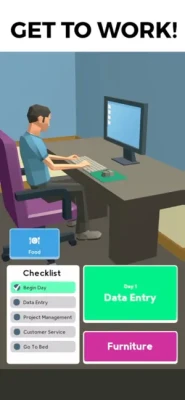
Working Remote Simulator Game
Games
iOS
280.8 MB
0
Free
Report a Problem
More About Work From Home 3D
Mastering the Art of Work-Life Balance: Achieve Success Without Sacrificing Your Life
In today’s fast-paced world, the challenge of balancing work and personal life is more pressing than ever. Many individuals aspire to climb the corporate ladder, dreaming of becoming a CEO, while others seek a more laid-back lifestyle, enjoying simple pleasures like making sandwiches and playing paddle-ball. But what does it truly take to find that elusive equilibrium between professional ambition and personal fulfillment?
Understanding Work-Life Balance
Work-life balance refers to the ability to prioritize both professional responsibilities and personal interests. Achieving this balance is crucial for maintaining mental health, fostering relationships, and enhancing overall well-being. It’s not merely about dividing time equally between work and leisure; it’s about creating a harmonious integration of both aspects of life.
The Importance of Setting Priorities
To effectively manage your time and energy, it’s essential to establish clear priorities. Ask yourself what matters most in your life. Is it advancing your career, spending quality time with family, or pursuing hobbies? By identifying your core values, you can allocate your time and resources more effectively, ensuring that you invest in what truly enriches your life.
Strategies for Achieving Work-Life Balance
Here are some practical strategies to help you achieve a better work-life balance:
1. Set Boundaries
Establishing boundaries between work and personal time is vital. Communicate your availability to colleagues and supervisors, and stick to your designated work hours. This practice helps prevent work from encroaching on your personal life, allowing you to recharge and engage in activities that bring you joy.
2. Embrace Flexibility
Incorporating flexibility into your work schedule can significantly enhance your work-life balance. If your job allows it, consider remote work options or flexible hours. This adaptability enables you to manage personal commitments while still fulfilling professional obligations.
3. Prioritize Self-Care
Self-care is not a luxury; it’s a necessity. Make time for activities that promote your physical and mental well-being, such as exercise, meditation, or hobbies. Prioritizing self-care helps you recharge, reducing stress and increasing productivity in your professional life.
4. Learn to Say No
Overcommitting can lead to burnout and resentment. Practice saying no to tasks or projects that do not align with your priorities or that may overwhelm you. By doing so, you create space for what truly matters, both at work and in your personal life.
The Role of Technology in Work-Life Balance
Technology can be both a blessing and a curse when it comes to work-life balance. While it enables remote work and instant communication, it can also blur the lines between work and personal time. To harness technology effectively:
1. Use Productivity Tools
Leverage productivity tools and apps to streamline your tasks and manage your time efficiently. Tools like project management software can help you stay organized and focused, allowing you to complete work more effectively and free up time for personal activities.
2. Disconnect After Hours
Make a conscious effort to disconnect from work-related technology after hours. Turn off email notifications and resist the urge to check work messages during your personal time. This practice helps you fully engage in your personal life and reduces stress.
Finding Fulfillment in Both Work and Life
Ultimately, achieving work-life balance is about finding fulfillment in both your professional and personal endeavors. Whether you aspire to climb the corporate ladder or prefer a more relaxed lifestyle, it’s essential to define what success means to you. Embrace your unique journey and make choices that align with your values and aspirations.
Conclusion: Your Path to Balance
Balancing work and life is a continuous journey that requires self-awareness, commitment, and adaptability. By setting priorities, establishing boundaries, and embracing flexibility, you can create a fulfilling life that encompasses both professional success and personal happiness. Remember, it’s not about choosing between ambition and leisure; it’s about integrating both to lead a well-rounded and satisfying life.
Rate the App
User Reviews















Popular Apps










Editor's Choice