
Latest Version
5.4.3
August 30, 2025
ChainBow Co. Ltd.
Finance
Android
0
Free
jp.co.chainbow.wallet3.mobile
Report a Problem
More About Wallet 3
Unlocking the Future of Blockchain: A Comprehensive Guide to Asset Security and Layer2 Solutions
In the rapidly evolving world of blockchain technology, ensuring asset security is paramount. As the landscape expands, so does the need for robust solutions that cater to various blockchain networks. This article delves into the essential features of modern blockchain applications, focusing on asset security, Layer2 support, Web3 integration, and the benefits of open-source development.
Prioritizing Asset Security in Blockchain Applications
Asset security stands as the cornerstone of any blockchain application. With the increasing number of digital assets and cryptocurrencies, safeguarding these assets from potential threats is crucial. Advanced security protocols and encryption techniques are now standard practices in the industry, ensuring that users can transact with confidence.
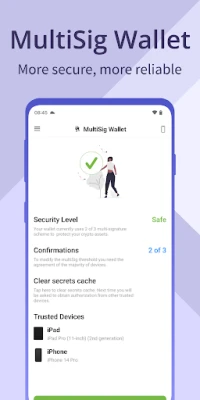
Implementing multi-signature wallets, hardware security modules, and decentralized identity solutions enhances the security framework. These measures not only protect assets but also build trust among users, fostering a more secure blockchain ecosystem.
Comprehensive Support for Layer2 and EVM-Compatible Chains
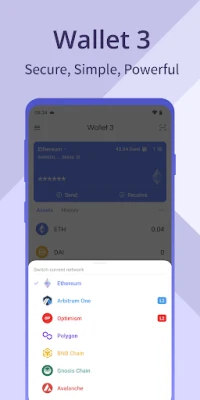
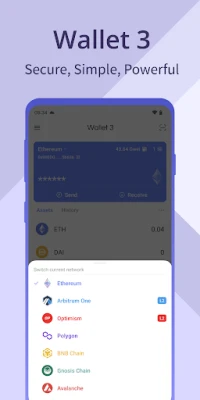
As blockchain technology matures, the demand for scalability and efficiency has led to the rise of Layer2 solutions. These solutions enhance transaction speeds and reduce costs, making blockchain more accessible to everyday users. By supporting all Layer2 and Ethereum Virtual Machine (EVM)-compatible chains, developers can create applications that leverage the best of both worlds.
Layer2 solutions, such as Optimistic Rollups and zk-Rollups, allow for off-chain processing while maintaining the security of the main blockchain. This approach not only alleviates congestion but also enables seamless interactions across various blockchain networks. By embracing these technologies, developers can ensure their applications remain competitive and user-friendly.
Integrating a Powerful Web3 Browser
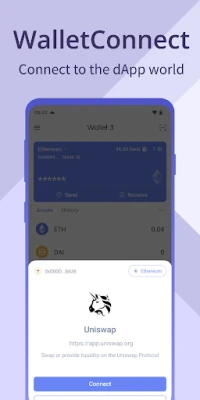
The advent of Web3 has transformed how users interact with blockchain applications. A powerful Web3 browser is essential for navigating decentralized applications (dApps) and accessing blockchain features effortlessly. This browser acts as a gateway, allowing users to connect with various blockchain networks, manage their assets, and engage with dApps securely.
With built-in support for smart contracts and decentralized finance (DeFi) protocols, a robust Web3 browser enhances user experience by simplifying complex processes. Users can easily swap tokens, stake assets, and participate in governance without needing extensive technical knowledge. This accessibility is vital for driving mass adoption of blockchain technology.
The Advantages of Open-Source Development
Open-source development has become a hallmark of innovation in the blockchain space. By making code publicly available, developers encourage collaboration and transparency, leading to more secure and efficient applications. Open-source projects benefit from community contributions, allowing for rapid iteration and improvement.
Moreover, open-source solutions foster trust among users. When individuals can review the code, they can verify the security measures in place, ensuring their assets are protected. This transparency is crucial in an industry where trust is often hard to come by.
Conclusion: Embracing the Future of Blockchain Technology
As blockchain technology continues to evolve, prioritizing asset security, supporting Layer2 solutions, integrating powerful Web3 browsers, and embracing open-source development will be essential for success. By focusing on these key areas, developers can create applications that not only meet the needs of users but also drive the adoption of blockchain technology across various sectors.
In this dynamic landscape, staying ahead of the curve is vital. By understanding and implementing these features, developers can ensure their applications remain relevant and secure, paving the way for a more decentralized future.
Rate the App
User Reviews







Popular Apps






Editor's Choice