

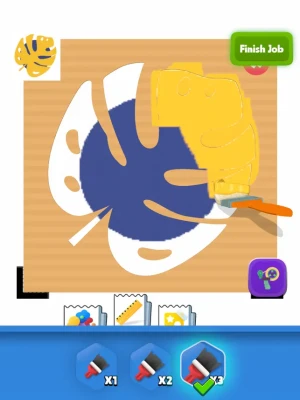





Latest Version
1.0.7
May 23, 2025
Color the walls
Games
iOS
186.4 MB
0
Free
Report a Problem
More About Wall Painter!
Master the Art of Painting: Tips for Perfecting Your Design Skills
Transforming blank spaces into vibrant works of art requires precision and creativity. In this guide, we will explore effective techniques to paint all the white areas and complete each level of your design project. With the right approach, you can create stunning visuals that captivate and inspire.
Essential Techniques for Painting
To achieve a flawless finish, it’s crucial to master the basic techniques of painting. Here are some key strategies to help you paint with confidence:
1. Prepare Your Workspace
Before diving into your painting project, ensure your workspace is well-prepared. Clear the area of any clutter and gather all necessary materials, including:
- High-quality paint
- Brushes of various sizes
- Painter's tape
- Drop cloths
2. Use Painter's Tape for Clean Edges
One of the most effective ways to achieve clean lines is by using painter's tape. Apply the tape along the borders of the areas you wish to paint. This will prevent any accidental spills and ensure that your design remains sharp and professional-looking.
3. Choose the Right Brush
The type of brush you use can significantly impact the outcome of your painting. For larger areas, opt for a wide brush to cover more surface quickly. For intricate designs, a smaller brush will allow for greater detail and precision.
Creating Your Design
Once your workspace is set up and you have your materials ready, it’s time to unleash your creativity. Here’s how to effectively create your desired design:
1. Plan Your Design
Before applying paint, sketch your design on paper or use a digital tool to visualize the final product. This planning stage is crucial for ensuring that your design flows well and fits the space appropriately.
2. Start with a Base Coat
Applying a base coat can help unify your design and provide a solid foundation. Choose a neutral color that complements your overall theme. Allow the base coat to dry completely before moving on to the next steps.
3. Layer Your Colors
To create depth and interest in your design, consider layering different colors. Start with the lighter shades and gradually add darker tones. This technique will enhance the visual appeal of your artwork.
Testing Your Skills
While the techniques may seem straightforward, painting is an art that requires practice and patience. Are you ready to put your skills to the test? Here are some tips to help you improve:
1. Practice Regularly
The more you paint, the better you will become. Set aside time each week to practice different techniques and experiment with new designs. This will help you build confidence and refine your skills.
2. Seek Feedback
Don’t hesitate to share your work with friends or fellow artists. Constructive feedback can provide valuable insights and help you identify areas for improvement.
3. Learn from Mistakes
Every artist makes mistakes. Instead of getting discouraged, view them as learning opportunities. Analyze what went wrong and how you can adjust your approach in the future.
Conclusion
Painting is not just about filling in white spaces; it’s about expressing your creativity and bringing your vision to life. By following these tips and techniques, you can enhance your painting skills and create stunning designs that stand out. So gather your materials, tape those borders, and let your artistic journey begin!
Rate the App
User Reviews














Popular Apps










Editor's Choice