Latest Version
1.100
January 29, 2025
Rumor Games, LLC
Games
Android
0
$2.99
com.RumorGamesLLC.Voyager2
Report a Problem
More About Voyager 2
Embark on an Epic Journey: Mastering Orbital Mechanics with Voyager 2
Space exploration is not just a dream; it’s a thrilling adventure that beckons us to uncover the mysteries of the universe. With the right knowledge and skills, you can navigate the cosmos, utilizing gravity to chart your course toward distant planets. This article delves into the fascinating world of orbital mechanics, guiding you through the intricacies of piloting landers, managing delta-v, and establishing a deep space communication network. Join us as we explore the monumental scientific mission of Voyager 2 and the lessons it imparts for aspiring space explorers.
Understanding Gravity: The Key to Navigating Space
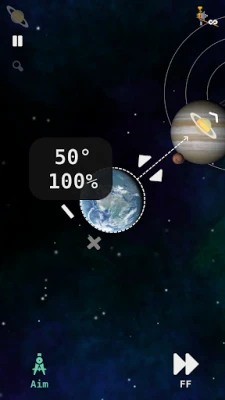
Gravity is not merely a force; it is a powerful tool that can be harnessed to alter your trajectory in space. By understanding how to use gravitational assists, you can bend your path and reach planets that seem impossibly distant. This technique allows spacecraft to gain speed and change direction without expending excessive fuel, making it a cornerstone of modern space travel.
Piloting Landers: Touching the Surface of Alien Worlds
Successfully landing on another celestial body is one of the most exhilarating achievements in space exploration. Piloting landers requires precision and a deep understanding of the environment you are entering. From calculating descent trajectories to managing landing gear deployment, every detail matters. The thrill of touching the surface of an alien world is unparalleled, offering a unique opportunity to gather data and conduct experiments that could reshape our understanding of the universe.
Delta-v: The Lifeblood of Space Missions
Delta-v, or change in velocity, is a critical concept in orbital mechanics. It represents the amount of effort required to perform maneuvers in space, such as entering orbit, changing orbits, or landing on a planetary surface. Managing delta-v effectively is essential for the success of any space mission. By calculating the necessary delta-v for each phase of your journey, you can ensure that your spacecraft has enough fuel to complete its objectives and return valuable data to Earth.
Building a Deep Space Network: Connecting the Cosmos
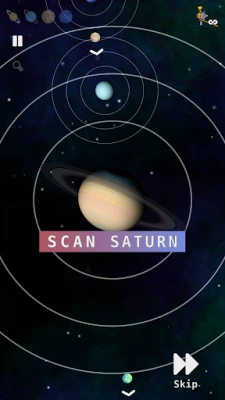
Establishing a deep space network of relays is vital for maintaining communication with distant spacecraft. This network allows scientists to receive data and images from missions like Voyager 2, which has traveled beyond the outer planets. By strategically placing relay satellites in orbit, you can ensure that your findings are transmitted back to Earth, preventing them from being lost in the vastness of space. This communication infrastructure is crucial for the ongoing success of space exploration missions.
Beaming Findings Home: The Importance of Data Transmission
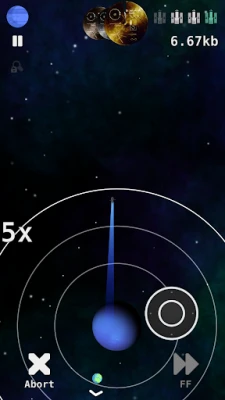
Once you’ve gathered data from your explorations, the next challenge is transmitting that information back to Earth. The vast distances involved in space travel can complicate this process, but advancements in technology have made it possible to send high-quality data across light-years. Utilizing powerful transmitters and efficient coding techniques, you can beam your findings home, ensuring that the knowledge gained from your mission contributes to our collective understanding of the universe.
Embracing Failure: The Path to Mastery
In the realm of space exploration, failure is often a stepping stone to success. The journey is fraught with challenges, and setbacks are inevitable. However, each crash and burn presents an opportunity to adapt and learn. By analyzing failures and understanding the underlying principles of orbital mechanics, you can refine your approach and enhance your skills. This resilience is what ultimately leads to mastery in the field of space exploration.
Voyager 2: A Legacy of Exploration
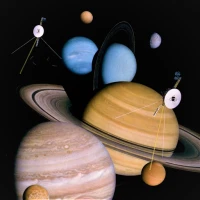
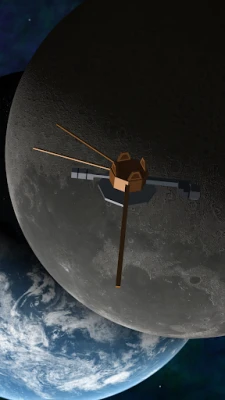
Voyager 2 stands as a testament to human ingenuity and the spirit of exploration. Launched in 1977, it has traveled further than any other spacecraft, providing invaluable data about the outer planets and beyond. The mission of Voyager 2 exemplifies the principles of orbital mechanics, showcasing how gravity assists, delta-v management, and effective communication can lead to groundbreaking discoveries. As we continue to explore the cosmos, the lessons learned from Voyager 2 will guide future missions and inspire generations of explorers.
Conclusion: Your Journey Awaits
Space exploration is an exhilarating endeavor that requires a blend of knowledge, skill, and determination. By mastering the principles of orbital mechanics, you can navigate the cosmos, touch alien worlds, and contribute to our understanding of the universe. The legacy of Voyager 2 serves as a beacon for aspiring explorers, reminding us that the journey is just as important as the destination. So, prepare for lift-off and embark on your own epic journey through the stars!
Rate the App
User Reviews













Popular Apps










Editor's Choice