


Latest Version
1.0.15
December 30, 2024
Oxiwyle
Games
Android
0
Free
gosoft.usasimulatorsecond
Report a Problem
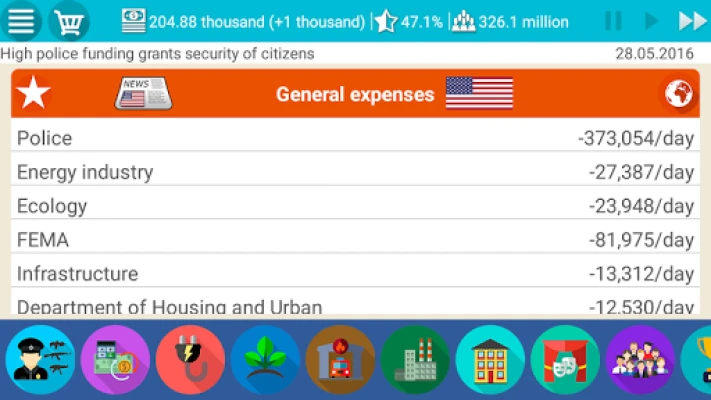
More About USA Simulator 2
Mastering the Art of National Leadership: A Comprehensive Guide
Step into the fascinating realm of national governance, where the responsibilities of a President extend far beyond mere titles. This article delves into the daily challenges faced by a leader, the strategies for fostering a thriving nation, and the essential roles of appointed ministers in ensuring effective management.
The Daily Responsibilities of a President
Leading a country is a multifaceted endeavor that requires a keen understanding of various issues. Each day presents a new set of challenges that demand immediate attention and strategic thinking. From economic policies to social welfare programs, the President must navigate a complex landscape to ensure the well-being of the citizens.
Addressing Economic Challenges
One of the primary tasks of a President is to oversee the nation’s economy. This includes formulating policies that stimulate growth, reduce unemployment, and manage inflation. By analyzing economic data and trends, the President can make informed decisions that promote financial stability and prosperity.
Enhancing Social Welfare
In addition to economic responsibilities, the President must also focus on social issues. This involves implementing programs that improve healthcare, education, and housing. By prioritizing the quality of life for all citizens, a leader can foster a sense of community and belonging.
Creating a Vision for National Development
To build a prosperous nation, a President must develop a clear ideology and a comprehensive development strategy. This vision should encompass various aspects of governance, including economic growth, social equity, and environmental sustainability.
Formulating a Development Strategy
A well-thought-out development strategy is crucial for improving the quality of life. This strategy should include:
- Investment in Infrastructure: Building and maintaining roads, bridges, and public transportation systems to facilitate trade and mobility.
- Encouraging Innovation: Supporting research and development initiatives that drive technological advancements and create new industries.
- Promoting Sustainable Practices: Implementing policies that protect the environment while fostering economic growth.
Engaging in International Trade
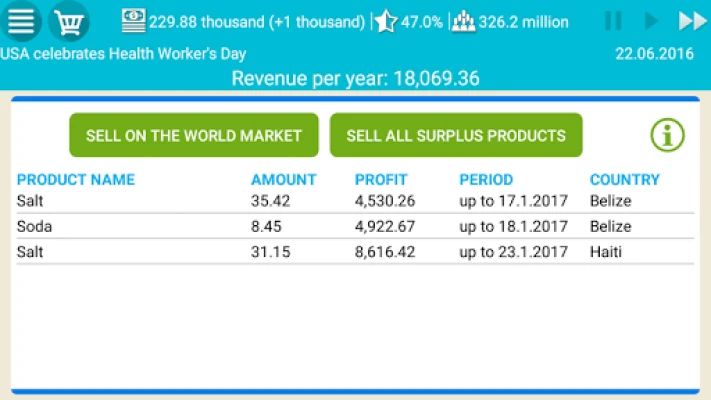
Trade plays a vital role in a country’s economic health. By establishing strong trade relationships with other nations, a President can enhance the country’s market access and create opportunities for local businesses. This not only boosts the economy but also fosters diplomatic relations.
Building a Diverse Industrial Base
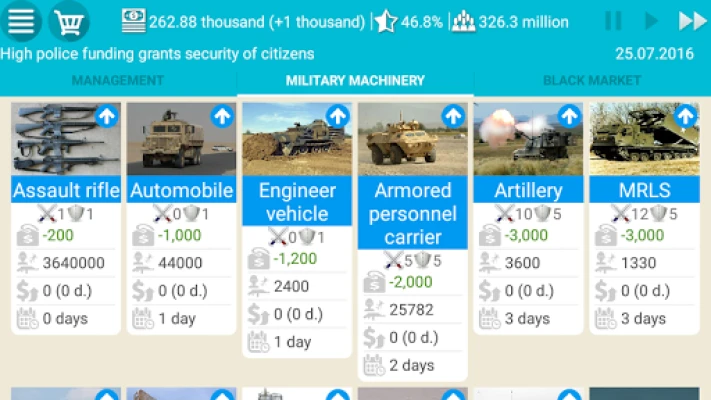
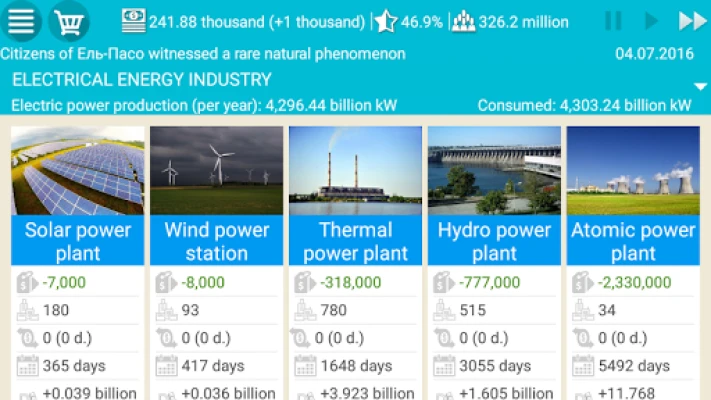
To ensure long-term economic stability, it is essential to construct a diverse industrial base. This involves developing more than 50 unique plants and industries that cater to various sectors, such as manufacturing, technology, and agriculture. A diversified economy is more resilient to market fluctuations and global challenges.
The Role of Ministers in Effective Governance
To implement the national strategy effectively, the President must appoint capable ministers to key ministries. These individuals play a crucial role in managing different sectors of the government and ensuring that policies are executed efficiently.
Key Ministries and Their Functions
- Ministry of Finance: Responsible for managing the country’s finances, including budgeting, taxation, and public spending.
- Ministry of Health: Focuses on improving healthcare services and ensuring access to medical care for all citizens.
- Ministry of Education: Works to enhance the education system, promoting access to quality education for every child.
- Ministry of Foreign Affairs: Manages international relations and trade agreements, fostering cooperation with other nations.
Conclusion: The Path to a Thriving Nation
Ruling a country is a profound responsibility that requires dedication, vision, and strategic planning. By understanding the daily tasks of a President, developing a comprehensive national strategy, and appointing capable ministers, a leader can create a prosperous and thriving nation. The journey may be challenging, but the rewards of effective governance are immeasurable, leading to a better quality of life for all citizens.
Rate the App
User Reviews














Popular Apps










Editor's Choice