





Latest Version
1.6.3
November 01, 2024
Games2rk
Games
Android
0
Free
com.gmz2rk.ufcm
Report a Problem
More About Ultimate Football Club Manager
Mastering the Art of Football Management: A Comprehensive Guide
In the dynamic world of football management, the role of a manager extends far beyond mere tactics and matchday decisions. It encompasses a myriad of responsibilities, from managing the expectations of the club chairman to overseeing all soccer-related operations. This article delves into the essential aspects of football management, providing insights on how to build a successful team and navigate the complexities of the sport.
Assembling Your Dream Team
One of the primary responsibilities of a football manager is to assemble a dream team. This involves not only signing superstar players but also identifying hidden gems who can elevate the team's performance. The key is to strike a balance between high-profile signings and cost-effective acquisitions. Managers must evaluate player potential, market trends, and team needs to create a well-rounded squad.
Promoting Youth Talent
Investing in youth development is crucial for long-term success. By promoting youth stars and providing them with the necessary training and mentorship, managers can cultivate homegrown talent that fulfills its potential. This approach not only strengthens the squad but also fosters a sense of loyalty and identity within the club.
Recruiting Coaches and Staff
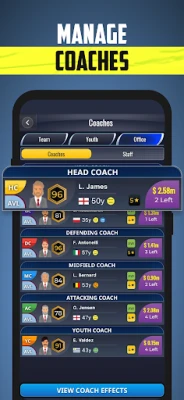
A successful football manager understands the importance of surrounding themselves with a competent coaching staff. Recruiting experienced coaches and support staff is vital for implementing effective training programs and strategies. Managers must assess the strengths and weaknesses of their team and hire personnel who can complement their vision.
Maintaining Financial Control
Financial management is a critical aspect of football management. Managers must maintain financial control by balancing the budget, negotiating player contracts, and ensuring that the club remains profitable. This involves making strategic decisions about player acquisitions, wages, and operational costs to secure the club's financial future.
Upgrading Club Facilities
Investing in club facilities is essential for attracting top talent and enhancing player development. Managers should prioritize upgrades to training grounds, stadiums, and other facilities to create an environment conducive to success. Improved facilities not only benefit current players but also serve as a selling point for potential signings.
Setting Sponsorship Deals
Establishing lucrative sponsorship deals is another vital responsibility for football managers. By securing partnerships with reputable brands, managers can generate additional revenue streams that support the club's financial health. Effective negotiation skills and a strong understanding of market dynamics are essential in this area.
Determining Ticket Prices
Setting ticket prices is a delicate balancing act. Managers must consider the club's financial needs while ensuring that matches remain accessible to fans. By analyzing market trends and fan engagement, managers can establish pricing strategies that maximize attendance and revenue without alienating supporters.
Aligning with Owner Expectations
Managing the expectations of club owners is a crucial aspect of a football manager's role. This involves setting realistic seasonal goals and communicating progress effectively. By aligning the team's objectives with the owner's vision, managers can foster a collaborative environment that drives success on and off the pitch.
Analyzing Player Career Stats
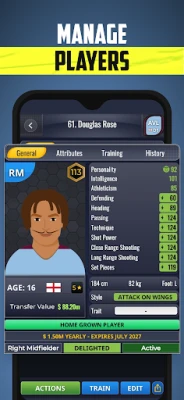
In-depth analysis of player career statistics is essential for making informed decisions. Managers should utilize data analytics to evaluate player performance, identify strengths and weaknesses, and make strategic adjustments. This data-driven approach can significantly enhance team performance and player development.
Collaborating with the Football Chairman
Effective collaboration with the football chairman is vital for a manager's success. Regular communication and alignment on club strategy ensure that both parties are working towards common goals. This partnership can lead to better decision-making and a more cohesive approach to club management.
Recognizing Yearly Player Achievements
Celebrating yearly player awards is an important aspect of team culture. Recognizing individual achievements fosters motivation and encourages players to strive for excellence. Managers should implement award ceremonies that highlight outstanding performances and contributions to the team.
Engaging in Ranked Career Mode
Participating in ranked career modes adds an exciting dimension to football management. Managers can compete against others, showcasing their skills in building and leading a successful team. This competitive environment encourages innovation and strategic thinking, pushing managers to elevate their game.
Exploring PVP Mode: Online Football Manager League
Online football manager leagues offer a unique opportunity for managers to test their skills against others in a player-versus-player (PVP) format. This mode allows for real-time competition, where managers can showcase their tactical prowess and decision-making abilities. Engaging in these leagues can enhance a manager's reputation and provide valuable experience.
Making Strategic Choices
As a football manager, the choices you make can define your legacy. Will you opt for superstar players or seek out bargains? Will you spend the owner's cash or focus on financial sustainability? The decision to build a squad gradually through youth players or to buy your way into a championship-caliber team is yours to make. Additionally, will you recruit external coaches annually or invest in developing your own staff to create a lasting dynasty?
Become a Legendary Football Manager
Ultimately, the path to becoming a legendary football manager lies in your hands. By mastering the various aspects of management, from team assembly to financial control, you can lead your club to glory. Embrace the challenges, make informed decisions, and strive for excellence as you navigate the thrilling world of football management.
Rate the App
User Reviews















Popular Apps










Editor's Choice