


Latest Version
June 04, 2026
U Microfinance Bank Limited
Finance
Android
0
Free
com.ubank.consumerdigital
Report a Problem
More About Ubank Digital
Unlocking the Future of Banking: Key Features of Modern Digital Onboarding
In today's fast-paced digital world, the banking sector is evolving rapidly, offering customers a seamless and efficient experience. This article delves into the essential features of modern digital customer onboarding, highlighting how these innovations cater to diverse banking needs. From managing multiple account types to ensuring enhanced security, let's explore the key functionalities that redefine banking.
Streamlined Digital Customer Onboarding
Digital customer onboarding is revolutionizing how banks interact with their clients. This process simplifies account creation and management, allowing users to set up their accounts online without the need for physical visits. With intuitive interfaces and guided steps, customers can complete their onboarding swiftly, ensuring a hassle-free experience.
Support for Diverse Account Types
Modern banking solutions cater to a wide range of customer needs by supporting multiple account types, including both Conventional and Islamic banking options. This flexibility allows customers to choose the account that best aligns with their financial principles and requirements, ensuring inclusivity in banking services.
Effortless Account Management
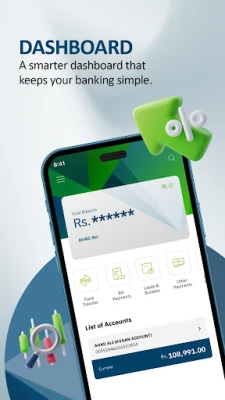
Managing finances has never been easier. Customers can view, download, and manage their account statements directly through the banking app or website. This feature not only enhances transparency but also empowers users to track their spending and savings effectively.
Personal Profile Management
Personal profile management is a crucial aspect of modern banking. Customers can easily update their information, including CNIC expiry dates, ensuring that their profiles remain current and accurate. This feature minimizes the risk of errors and enhances the overall customer experience.
Access to the Schedule of Charges (SOC)
Transparency in banking fees is vital for customer trust. Access to the Schedule of Charges (SOC) allows users to understand the fees associated with their accounts and transactions. This knowledge empowers customers to make informed financial decisions and avoid unexpected charges.
Innovative QR-Based Scan-and-Pay Functionality
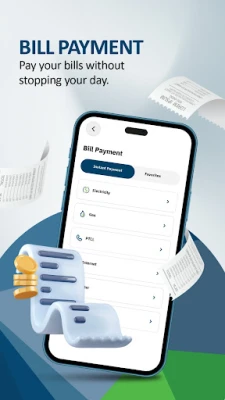
Incorporating technology into banking, QR-based scan-and-pay functionality simplifies transactions. Customers can make payments quickly and securely by scanning QR codes, eliminating the need for cash or card swipes. This feature is particularly useful for utility bill payments and government fees, streamlining the payment process.
Efficient Beneficiary Management
To facilitate faster fund transfers, modern banking platforms offer efficient beneficiary management systems. Customers can easily add, edit, and manage their beneficiaries, ensuring that sending money is quick and straightforward. This feature is essential for those who frequently transfer funds to family or friends.
Scheduling Recurring Transactions
For individuals who have regular payments, the ability to schedule recurring transactions is invaluable. This feature allows customers to automate their payments, ensuring bills are paid on time without the need for manual intervention. It enhances financial management and reduces the risk of late fees.
Favorites for Quick Payments
To further streamline the payment process, many banking apps offer a 'Favorites' feature. Customers can save frequently used payment options, allowing for quick and easy transactions. This functionality is particularly beneficial for those who regularly pay the same bills or transfer funds to the same beneficiaries.
Comprehensive Payment Flow Support
Modern banking solutions provide support for both Islamic and Conventional payment flows, ensuring that all customers can engage with the banking system in a manner that aligns with their beliefs and practices. This inclusivity fosters a sense of belonging and trust among diverse customer bases.
Enhanced Security with Multiple Authentication Methods
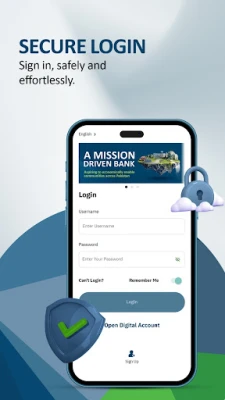
Security is paramount in the digital banking landscape. Banks are implementing multiple authentication methods to enhance security, including biometric verification, two-factor authentication, and secure passwords. These measures protect customer accounts from unauthorized access and fraud.
Personalized Transaction Limit Management
Customers can manage their transaction limits according to their preferences, providing an additional layer of control over their finances. This feature allows users to set daily or monthly limits, helping them stay within budget and avoid overspending.
Customizable Alerts and Notifications
Staying informed about account activity is crucial for effective financial management. Customizable alerts and notifications keep customers updated on transactions, balance changes, and important account information. This feature ensures that users are always aware of their financial status.
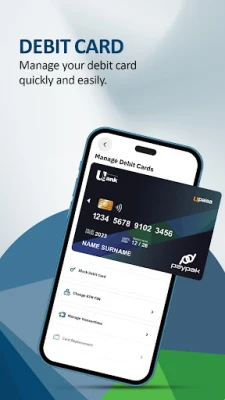
Complete Debit Card Management
Managing debit cards has become more convenient with comprehensive debit card management features. Customers can request new cards, track their usage, and manage settings for both Conventional and Islamic debit cards, all from their banking app. This level of control enhances user satisfaction and security.
Cheque Book Request and Management
Despite the digital shift, cheque books remain relevant for many customers. Modern banking platforms allow users to request, track, and manage their cheque books seamlessly. This feature ensures that customers can access traditional banking methods while enjoying the benefits of digital convenience.
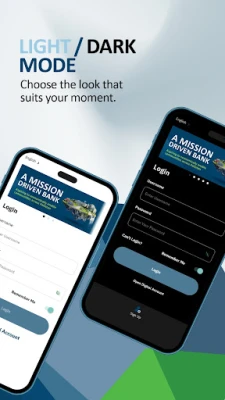
Personalized Viewing Options: Light and Dark Modes
To enhance user experience, many banking applications now offer light and dark modes for personalized viewing. This feature allows customers to choose their preferred interface, making banking more comfortable and visually appealing, especially during extended use.
Branch and ATM Locator
Finding the nearest branch or ATM is essential for customers who prefer in-person banking. A built-in branch and ATM locator feature helps users quickly locate nearby facilities, ensuring they can access their funds and services whenever needed.
Conclusion
The evolution of digital customer onboarding and banking features is transforming the financial landscape. By embracing technology and prioritizing customer needs, banks are creating a more inclusive, secure, and efficient banking experience. As these innovations continue to develop, customers can look forward to even more enhancements that simplify their financial journeys.
Rate the App
User Reviews














Popular Apps










Editor's Choice