Latest Version
1.1.35
July 08, 2026
3dinteger
Games
Android
0
Free
com.integer3d.trains
Report a Problem
More About Train and rail yard simulator
Mastering Train Operations: A Comprehensive Guide to Coupling, Decoupling, and Navigating Railroads
In the world of railroading, the ability to efficiently manage trains is crucial. Whether you're coupling and decoupling rail cars or navigating complex junctions, mastering these skills can enhance your experience and efficiency. This guide will delve into the essential techniques and features that make train operations both engaging and rewarding.
Understanding Coupling and Decoupling of Rail Cars
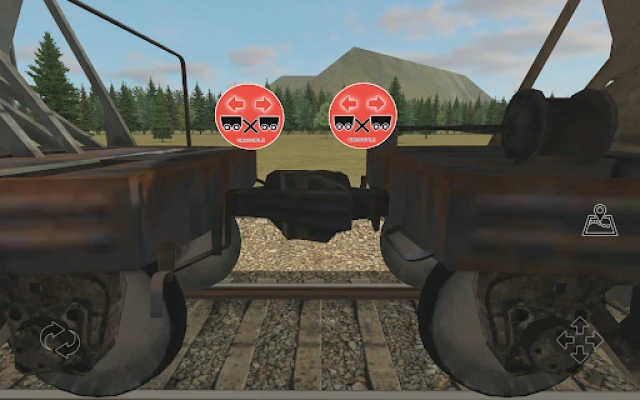
Coupling and decoupling are fundamental processes in train operations. These actions involve connecting and disconnecting rail cars and locomotives, allowing for the formation of trains tailored to specific tasks. Mastering these techniques is essential for any aspiring railroad operator.
The Coupling Process
To couple rail cars, follow these steps:
- Align the Cars: Position the rail cars so that their couplers are aligned. This ensures a smooth connection.
- Engage the Couplers: Slowly move the locomotive towards the rail car until the couplers connect. Listen for the audible click that indicates a successful coupling.
- Secure the Connection: Once coupled, check the connection to ensure it is secure. This step is vital for safe operations.
The Decoupling Process
Decoupling involves disconnecting rail cars from a train. Here’s how to do it:
- Stop the Train: Bring the train to a complete stop before attempting to decouple.
- Release the Couplers: Use the appropriate controls to release the couplers. This may involve pulling a lever or pressing a button, depending on the system.
- Move Away: Once decoupled, move the locomotive away from the rail car to ensure a safe distance.
Navigating Railroad Switches
Railroad switches, or points, are critical for directing trains onto different tracks. Understanding how to operate these switches is essential for efficient train navigation.
Operating Railroad Switches
To operate railroad switches effectively, follow these guidelines:
- Identify the Switch: Locate the switch you need to operate. Familiarize yourself with its position and the tracks it controls.
- Set the Switch: Use the control mechanism to set the switch to the desired position. Ensure it aligns with the track you want the train to follow.
- Confirm the Change: Before proceeding, double-check that the switch is correctly set. This step is crucial to prevent accidents.
Exploring Different Maps and Game Modes
One of the exciting aspects of train operations is the variety of maps and game modes available. Each offers unique challenges and experiences.
Diverse Maps
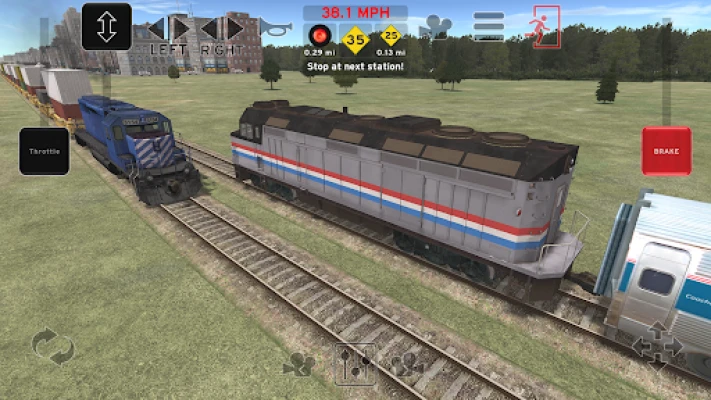
Explore various landscapes, from bustling urban environments to serene countryside settings. Each map presents different operational challenges, requiring you to adapt your strategies accordingly.
Game Modes: Missions and Free Roam
Engage in different game modes to enhance your skills:
- Missions: Complete specific tasks that test your coupling, decoupling, and navigation skills. These missions often come with time constraints and objectives, adding an element of challenge.
- Free Roam: Enjoy the freedom to explore the maps at your own pace. This mode allows you to practice your skills without the pressure of missions, making it ideal for beginners.
Conclusion: Elevate Your Train Operation Skills
Mastering the art of coupling, decoupling, and navigating railroad switches is essential for any train operator. By understanding these processes and exploring various maps and game modes, you can enhance your skills and enjoy a more immersive experience. Whether you’re on a mission or exploring freely, the world of railroading offers endless opportunities for learning and adventure.
Rate the App
User Reviews












Popular Apps










Editor's Choice