

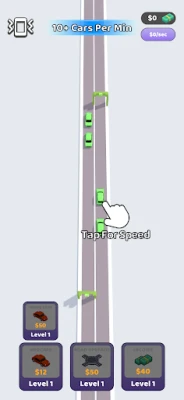

Latest Version
1.4.3
October 05, 2024
Supersonic Studios LTD
Games
Android
0
Free
com.MoodGames.TrafficJamFever
Report a Problem
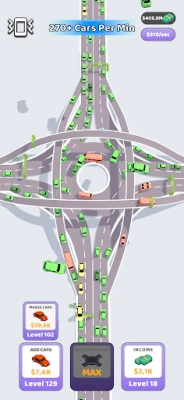
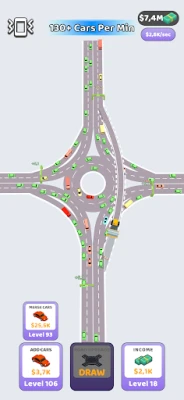
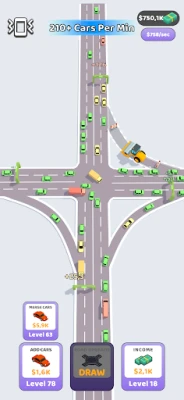
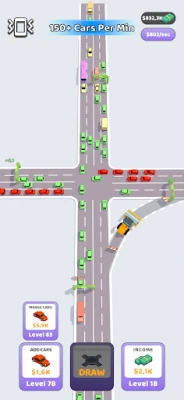
More About Traffic Jam Fever
Innovative Solutions for Reducing Traffic Congestion: Building New Roads and Enhancing Vehicle Flow
As urban populations continue to grow, the challenge of traffic congestion becomes increasingly pressing. Cities around the world are seeking effective strategies to improve transportation infrastructure, allowing for smoother vehicle flow without exacerbating traffic issues. This article explores innovative solutions, including the construction of new roads and the implementation of smart traffic management systems, to alleviate congestion and enhance mobility.
Understanding Traffic Congestion
Traffic congestion occurs when the demand for road space exceeds the available capacity, leading to slower speeds, longer trip times, and increased vehicular queuing. Factors contributing to congestion include population growth, urban sprawl, and inadequate infrastructure. To combat these issues, city planners and transportation authorities must adopt a multifaceted approach.
The Role of New Roads in Traffic Management
One of the most straightforward solutions to traffic congestion is the construction of new roads. By expanding the road network, cities can accommodate more vehicles and reduce bottlenecks. However, simply building new roads is not a panacea. It is essential to consider the following factors:
1. Strategic Planning
New roads should be strategically planned to connect key areas of the city, such as residential neighborhoods, commercial districts, and public transport hubs. This connectivity encourages the use of alternative transportation methods and reduces reliance on personal vehicles.
2. Environmental Considerations
When constructing new roads, it is crucial to assess the environmental impact. Sustainable practices, such as incorporating green spaces and wildlife corridors, can mitigate negative effects on local ecosystems. Additionally, using eco-friendly materials and construction methods can further enhance sustainability.
3. Community Engagement
Engaging with the community during the planning phase is vital. Public input can help identify the most pressing transportation needs and ensure that new roads serve the interests of residents. This collaborative approach fosters a sense of ownership and can lead to more successful outcomes.
Enhancing Vehicle Flow with Smart Traffic Management
In addition to building new roads, cities can implement smart traffic management systems to optimize vehicle flow. These technologies utilize data analytics and real-time monitoring to improve traffic conditions. Key components include:
1. Adaptive Traffic Signals
Adaptive traffic signals adjust their timing based on real-time traffic conditions. By analyzing vehicle flow, these systems can reduce wait times at intersections, minimizing congestion and improving overall traffic efficiency.
2. Intelligent Transportation Systems (ITS)
ITS integrates various technologies, such as GPS, sensors, and communication networks, to enhance transportation efficiency. These systems provide real-time information to drivers, helping them make informed decisions about their routes and reducing the likelihood of congestion.
3. Traffic Flow Prediction Models
Using historical data and machine learning algorithms, traffic flow prediction models can forecast congestion patterns. This information allows city planners to proactively address potential bottlenecks and implement measures to alleviate traffic before it becomes a significant issue.
Promoting Alternative Transportation Options
To further reduce traffic congestion, cities should promote alternative transportation options. Encouraging the use of public transit, cycling, and walking can significantly decrease the number of vehicles on the road. Strategies to support alternative transportation include:
1. Expanding Public Transit Systems
Investing in reliable and efficient public transit systems can encourage residents to leave their cars at home. Expanding bus and train networks, along with increasing service frequency, makes public transportation a more attractive option for commuters.
2. Developing Cycling Infrastructure
Creating dedicated bike lanes and secure bike parking facilities can promote cycling as a viable mode of transportation. Cities can also implement bike-sharing programs to make cycling more accessible to residents and visitors alike.
3. Enhancing Pedestrian-Friendly Environments
Designing walkable neighborhoods with safe sidewalks, crosswalks, and pedestrian zones encourages walking as a primary mode of transportation. Incorporating green spaces and public amenities can further enhance the appeal of walking.
Conclusion: A Comprehensive Approach to Traffic Management
Addressing traffic congestion requires a comprehensive approach that includes building new roads, implementing smart traffic management systems, and promoting alternative transportation options. By strategically planning infrastructure and engaging with the community, cities can create a more efficient transportation network that accommodates growth while minimizing congestion. As urban areas continue to evolve, innovative solutions will be essential in ensuring that mobility remains a priority for all residents.
Rate the App
User Reviews















Popular Apps










Editor's Choice