


Latest Version
1.3.4
October 24, 2024
Solve traffic problem
Games
iOS
256.6 MB
0
Free
Report a Problem
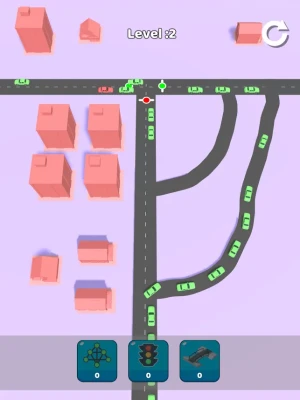
More About Traffic Expert
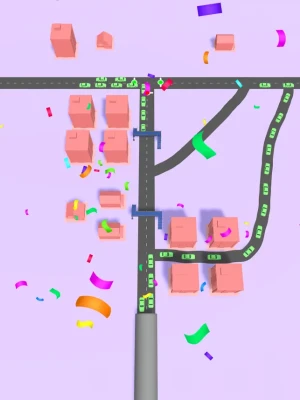
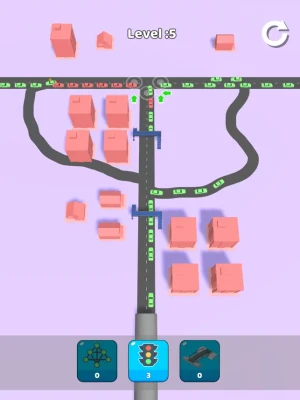
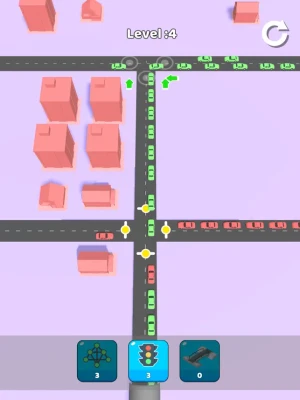
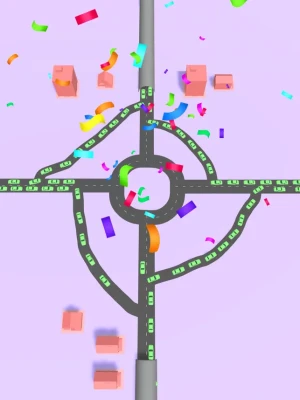
Innovative Solutions to Alleviate Traffic Congestion: Building New Roads
Traffic congestion is a persistent issue in urban areas, leading to frustration, wasted time, and increased pollution. One of the most effective strategies to combat this problem is the construction of new roads. This article explores the benefits of building new infrastructure, the challenges involved, and alternative solutions to enhance traffic flow.
The Importance of New Roads in Urban Planning
As cities expand and populations grow, the existing road networks often become inadequate. New roads can significantly improve traffic flow, reduce travel times, and enhance overall accessibility. By strategically planning and constructing new routes, urban planners can create a more efficient transportation system that meets the needs of a growing population.
Benefits of Building New Roads
Investing in new road construction offers numerous advantages:
- Reduced Congestion: New roads can help distribute traffic more evenly, alleviating bottlenecks and reducing congestion in heavily trafficked areas.
- Improved Safety: Expanding road networks can lead to safer driving conditions by reducing the likelihood of accidents caused by overcrowding.
- Economic Growth: Enhanced transportation infrastructure can stimulate local economies by improving access to businesses and attracting new investments.
- Environmental Benefits: By reducing traffic jams, new roads can lower vehicle emissions, contributing to cleaner air and a healthier environment.
Challenges in Road Construction
While the benefits of building new roads are clear, several challenges must be addressed:
- Funding: Securing adequate funding for road construction projects can be a significant hurdle. Governments often need to balance budgets and prioritize various infrastructure needs.
- Environmental Impact: New road construction can disrupt local ecosystems and wildlife habitats. It is essential to conduct thorough environmental assessments to mitigate these effects.
- Community Opposition: Residents may oppose new road projects due to concerns about noise, pollution, and changes to their neighborhoods. Engaging with the community and addressing their concerns is crucial for successful project implementation.
Alternative Solutions to Traffic Congestion
While building new roads is a viable solution, it is not the only approach to tackling traffic congestion. Here are some alternative strategies:
Public Transportation Improvements
Investing in public transportation systems can significantly reduce the number of vehicles on the road. Expanding bus and train services, improving frequency, and enhancing connectivity can encourage more people to use public transit instead of driving.
Carpooling and Ridesharing Initiatives
Promoting carpooling and ridesharing can help decrease the number of cars on the road. Implementing incentives such as dedicated carpool lanes and reduced tolls for shared rides can encourage more commuters to participate.
Smart Traffic Management Systems
Utilizing technology to manage traffic flow can lead to significant improvements. Smart traffic signals, real-time traffic monitoring, and adaptive traffic control systems can optimize traffic patterns and reduce congestion.
Conclusion: A Comprehensive Approach to Traffic Management
Building new roads is a crucial component of addressing traffic congestion, but it should be part of a broader strategy that includes public transportation enhancements, carpooling initiatives, and smart traffic management. By taking a comprehensive approach, cities can create a more efficient and sustainable transportation system that meets the needs of their residents while minimizing environmental impact.
Ultimately, the goal is to create a balanced infrastructure that not only alleviates current traffic issues but also anticipates future growth and challenges. Through thoughtful planning and community engagement, cities can pave the way for a smoother, more connected future.
Rate the App
User Reviews















Popular Apps










Editor's Choice