

Latest Version
April 21, 2026
Censanext Systems Private Limited
Tools
Android
0
Free
com.censa.maintenenceapp
Report a Problem
More About ThUnder
Revolutionize Your Maintenance Management with Cutting-Edge Features
In today's fast-paced industrial environment, efficient maintenance management is crucial for operational success. Leveraging advanced technology can streamline processes, enhance communication, and ultimately save costs. Here, we explore the key features that can transform your maintenance management system, ensuring that your operations run smoothly and effectively.
1. Effortless Machine Maintenance Request Creation
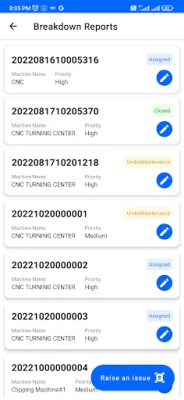
One of the standout features of a modern maintenance management system is the ability to easily create machine maintenance requests. This user-friendly functionality allows employees to report issues quickly, ensuring that maintenance teams are alerted promptly. By simplifying the request process, organizations can minimize downtime and enhance productivity.
2. Intelligent Manpower and Priority Assignment
Effective maintenance management requires not just reporting issues but also prioritizing them based on urgency and available resources. The system intelligently assigns manpower to tasks, ensuring that the right personnel address the most critical issues first. This feature optimizes resource allocation, leading to faster resolution times and improved operational efficiency.
3. Seamless Image Attachment for Issue Reporting
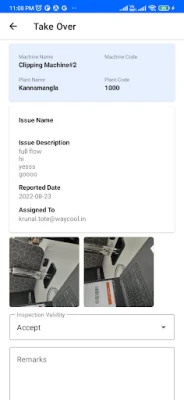
Visual communication is key in maintenance management. The ability to attach images when raising an issue provides clarity and context, allowing maintenance teams to understand the problem better before arriving on-site. This feature reduces miscommunication and ensures that technicians are well-prepared to tackle the issue at hand.
4. Asset Verification Through Scanning
Verification of assets is essential for accurate maintenance management. The system includes a scanning feature that allows users to quickly verify assets before initiating maintenance requests. This not only streamlines the process but also ensures that the correct equipment is being addressed, reducing the likelihood of errors and enhancing accountability.
5. Comprehensive Record of Parts Used and Associated Costs
Keeping track of parts used during maintenance and their associated costs is vital for budgeting and inventory management. This feature provides a detailed record of all components utilized in repairs, allowing organizations to analyze spending patterns and optimize inventory levels. By maintaining accurate records, businesses can make informed decisions regarding future purchases and resource allocation.
6. Maintenance Status Lifecycle Management
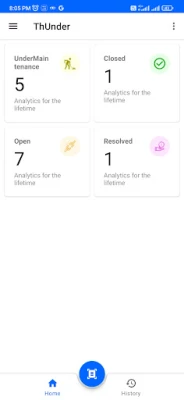
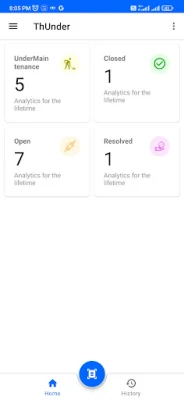
Understanding the lifecycle of maintenance tasks is crucial for effective management. The system offers maintenance status lifecycle management, allowing users to track the progress of requests from initiation to completion. This feature provides transparency and accountability, ensuring that all stakeholders are informed about the status of maintenance activities.
7. User-Friendly Mobile and Web Interfaces
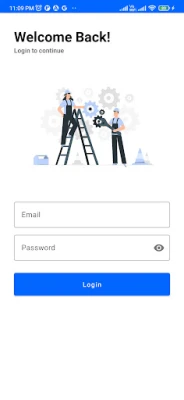
Accessibility is a key factor in modern maintenance management. The system is designed with both mobile and web interfaces, catering to different user needs. Whether on-site or in the office, users can easily access the platform to create requests, check statuses, and communicate with team members. This flexibility enhances collaboration and ensures that maintenance management is always at your fingertips.
Conclusion
Incorporating these advanced features into your maintenance management system can significantly enhance operational efficiency and reduce downtime. By streamlining the request process, intelligently assigning resources, and providing comprehensive tracking capabilities, organizations can ensure that their maintenance operations are both effective and efficient. Embrace the future of maintenance management and watch your productivity soar.
Rate the App
User Reviews














Popular Apps










Editor's Choice