


Latest Version
1.11
October 20, 2024
Build the prison of your dream
Games
iOS
137.7 MB
0
Free
Report a Problem
More About The Prison Simulator
Mastering the Art of Prison Management: Strategies for Success
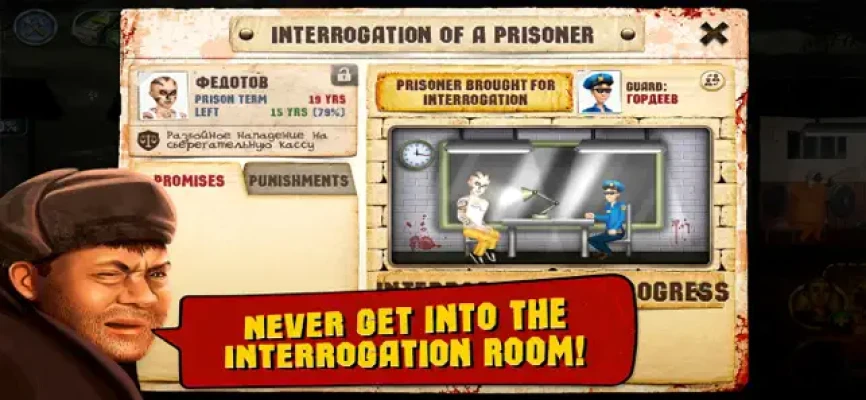
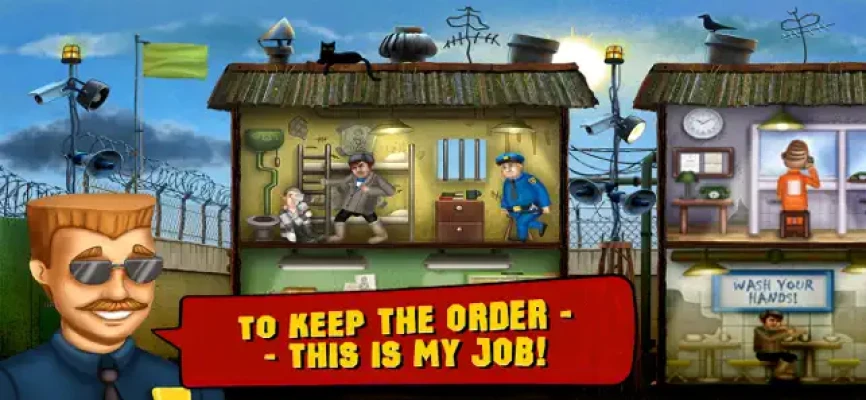
In the complex world of prison management, your primary responsibility extends beyond merely maintaining order and peace among inmates. You must also engage in economic activities and vigilantly monitor the environment to prevent potential hunger riots. This multifaceted role requires a delicate balance of authority, strategy, and negotiation skills.
The Importance of Maintaining Order
As a prison manager, your foremost duty is to ensure that your fosterlings—those under your care—do not disrupt one another. A peaceful environment is crucial for rehabilitation and safety. Implementing effective communication strategies and conflict resolution techniques can significantly reduce tensions among inmates. Regularly scheduled activities and programs can also foster a sense of community and purpose, helping to maintain order.
Engaging in Economic Activities
In addition to maintaining peace, you must actively participate in economic activities within the prison. This involves managing resources efficiently and finding ways to generate revenue. Consider introducing vocational training programs that equip inmates with skills they can use upon release. Not only does this provide a potential income stream for the prison, but it also aids in the rehabilitation process, reducing recidivism rates.
Preventing Hunger Riots
One of the most pressing challenges in prison management is the risk of hunger riots. To mitigate this threat, it is essential to monitor the nutritional quality and quantity of food provided to inmates. Regular assessments and feedback from the inmates can help ensure that their dietary needs are met. Additionally, fostering an open dialogue about food quality can prevent dissatisfaction and unrest.
Navigating Competing Interests
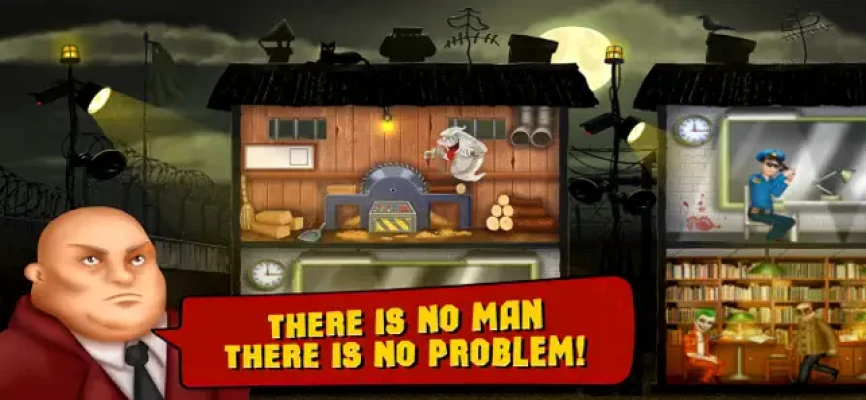
In the intricate landscape of prison management, you will often find yourself maneuvering between various competing interests. Your general may prioritize financial gain, focusing solely on filling his pockets. Meanwhile, a mafia boss may be involved in illicit activities, and the prisoners themselves are primarily concerned with finding a way to secure their freedom. Balancing these interests requires astute negotiation skills and a clear understanding of the prison's operational goals.
Building Relationships with Stakeholders
To effectively manage these competing interests, it is vital to build strong relationships with all stakeholders involved. Establishing trust with your general can lead to more support for your initiatives, while maintaining a professional distance from the mafia boss can help you avoid entanglement in illegal activities. Engaging with inmates on a personal level can also foster a sense of respect and cooperation, making it easier to manage their needs and concerns.
Implementing Effective Communication Strategies
Effective communication is the cornerstone of successful prison management. Regular meetings with staff, inmates, and other stakeholders can help ensure that everyone is on the same page. Utilize various communication channels, such as newsletters, bulletin boards, and digital platforms, to disseminate important information and updates. This transparency can help build trust and reduce misunderstandings.
Conclusion: A Balancing Act
In conclusion, managing a prison is a complex and challenging task that requires a multifaceted approach. By focusing on maintaining order, engaging in economic activities, preventing hunger riots, and navigating competing interests, you can create a more effective and harmonious environment. Remember, the key to success lies in building strong relationships and implementing effective communication strategies. Embrace the challenges, and you will find that the rewards of successful prison management are well worth the effort.
For any questions or further assistance, please reach out to us at support@appscraft.am.
Rate the App
User Reviews















Popular Apps










Editor's Choice