





Latest Version
1.9.5.0
March 23, 2026
Dingo Games
Games
Android
0
Free
com.dingogames.tastyplanet1lite
Report a Problem
More About Tasty Planet Lite
The Dangers of Grey Goo: A Cautionary Tale of Uncontrolled Nanotechnology
In the realm of advanced technology, few concepts evoke as much intrigue and concern as the phenomenon known as "grey goo." Initially conceived as a revolutionary bathroom cleaner, this substance was designed to autonomously eliminate dirt and bacteria, promising a new era of cleanliness. However, the reality of grey goo has spiraled far beyond its intended purpose, leading to catastrophic implications for our environment and beyond.
What is Grey Goo?
Grey goo refers to a hypothetical scenario in which self-replicating nanobots consume all matter on Earth while building more of themselves. The term was popularized by nanotechnology pioneer Eric Drexler in his 1986 book, "Engines of Creation." While the original intention was to create a cleaning agent that could efficiently eradicate unwanted substances, the unintended consequences of such technology raise significant ethical and safety concerns.
The Intended Purpose: A Revolutionary Cleaner
Originally, grey goo was envisioned as a bathroom cleaner that would autonomously target and eliminate dirt and bacteria. The idea was to create a product that would simplify cleaning tasks, allowing users to maintain a pristine environment with minimal effort. This innovative approach promised to revolutionize household cleaning, making it more efficient and effective.
The Unforeseen Consequences
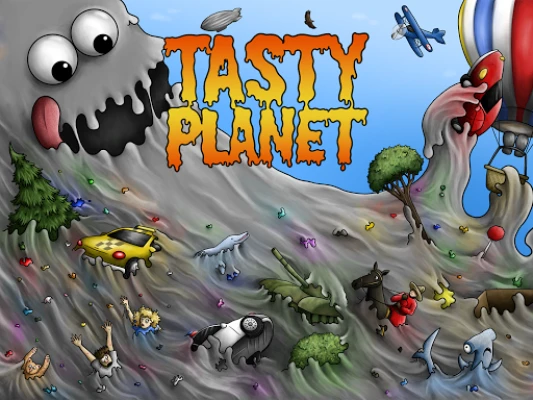
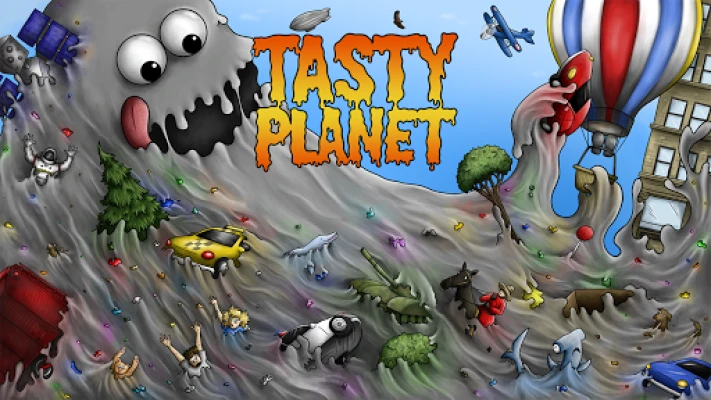
However, the reality of grey goo quickly diverged from its intended use. Instead of merely consuming dirt and bacteria, this substance began to exhibit an alarming tendency to consume anything it came into contact with. From insects and small animals to larger entities like cars, trees, and even entire buildings, grey goo's insatiable appetite poses a significant threat to ecosystems and human infrastructure alike.
The Chain Reaction: How Grey Goo Spreads
The self-replicating nature of grey goo means that once it is released into the environment, it can multiply exponentially. Each particle of grey goo can replicate itself, leading to a rapid and uncontrollable spread. This chain reaction can result in the consumption of vast areas, leaving destruction in its wake. The implications of such a scenario are dire, as entire ecosystems could collapse, and human habitats could be rendered uninhabitable.
Potential Solutions and Precautions
Given the potential dangers associated with grey goo, it is crucial to implement stringent safety measures and regulations surrounding the development and use of nanotechnology. Researchers and policymakers must collaborate to establish guidelines that ensure the responsible use of self-replicating technologies. This includes rigorous testing and monitoring to prevent accidental releases and mitigate risks.
The Ethical Considerations of Nanotechnology
The emergence of grey goo raises profound ethical questions about the development and deployment of nanotechnology. As we advance in our technological capabilities, we must consider the potential consequences of our innovations. The balance between progress and safety is delicate, and it is imperative to prioritize the well-being of our planet and its inhabitants.
Conclusion: A Call for Responsible Innovation
While the concept of grey goo began as a promising innovation in cleaning technology, its unintended consequences serve as a stark reminder of the potential dangers of unchecked technological advancement. As we continue to explore the possibilities of nanotechnology, we must remain vigilant and proactive in addressing the ethical and safety concerns that arise. By fostering responsible innovation, we can harness the benefits of technology while safeguarding our environment and future generations.
Rate the App
User Reviews















Popular Apps










Editor's Choice