
Latest Version
1.1.3
December 19, 2024
Restore the world after battle
Games
iOS
167.7 MB
0
Free
Report a Problem
More About Survival after War. RPG idle
Reviving Communities: Innovative Approaches to Rebuilding After Destruction
In the aftermath of devastation, the journey to recovery begins with unique strategies that focus on dismantling the remnants of destroyed structures. This article explores innovative methods for rebuilding communities, emphasizing collaboration, sustainability, and compassion.
Innovative Techniques for Dismantling Ruins
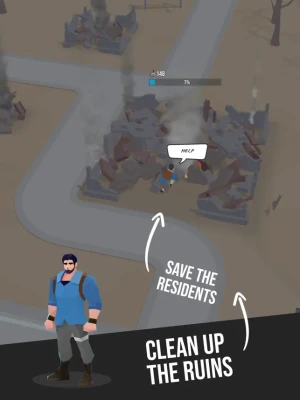
When faced with the ruins of destroyed houses, it is essential to adopt unique mechanics for dismantling these structures. Traditional demolition methods can be inefficient and harmful to the environment. Instead, utilizing advanced techniques such as selective deconstruction allows for the recovery of valuable materials. This approach not only minimizes waste but also provides resources for future construction projects.
Tree Management: A Vital Step in Rebuilding
Chopping down trees may seem counterintuitive in a rebuilding effort, but it can be a necessary step in certain contexts. In areas where trees have been damaged or pose a risk to safety, careful tree management is crucial. By responsibly removing hazardous trees, communities can create safer environments for rebuilding. Additionally, the wood harvested can be repurposed for construction, providing a sustainable resource for new structures.
Establishing Processing Plants for Sustainable Materials
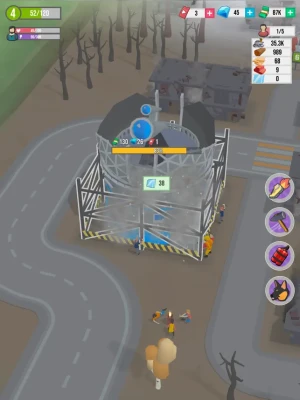
To facilitate the rebuilding process, establishing processing plants for wood, brick, and glass is essential. These facilities can transform salvaged materials into usable resources, significantly reducing the need for new raw materials. By investing in local processing plants, communities can create jobs, stimulate the economy, and promote sustainability. This approach not only aids in reconstruction but also fosters a sense of community ownership and pride.
Finding and Uniting Residents: A Community-Centric Approach
One of the most critical aspects of rebuilding is locating residents who may be trapped under rubble or displaced in nearby forests. Conducting thorough searches and outreach efforts is vital to ensure that no one is left behind. Once residents are found, uniting them becomes a powerful catalyst for recovery. By fostering collaboration among community members, rebuilding efforts can be more effective and meaningful.
Rebuilding Together: A Collective Effort
Rebuilding a city is not just about physical structures; it is about restoring the spirit of the community. By encouraging residents to work together, communities can create a sense of belonging and shared purpose. Initiatives that promote teamwork, such as community workshops and volunteer days, can help residents bond while actively participating in the rebuilding process. This collective effort not only strengthens relationships but also enhances the overall resilience of the community.
Promoting Kindness and Sympathy in Recovery
In times of crisis, the importance of kindness and sympathy cannot be overstated. As communities come together to rebuild, fostering an environment of compassion is essential. Support systems, such as counseling services and community gatherings, can help residents process their experiences and emotions. By prioritizing mental health and emotional well-being, communities can create a nurturing atmosphere that encourages healing and growth.
Conclusion: A Vision for a Brighter Future
Rebuilding after destruction is a complex yet rewarding journey. By employing innovative dismantling techniques, managing natural resources responsibly, establishing processing plants, and fostering community unity, we can create a sustainable and compassionate recovery process. In the face of adversity, let us remember that no war exists in the hearts of those who choose kindness and sympathy. Together, we can transform ruins into vibrant communities, paving the way for a brighter future.
Rate the App
User Reviews














Popular Apps










Editor's Choice