Latest Version
1.1.2
September 05, 2024
Go Dreams
Games
Android
0
Free
survival.rpg.idle.arcade.build
Report a Problem
More About Survival after War. RPG idle
Rebuilding Hope: Unique Mechanics for Reviving Destroyed Communities
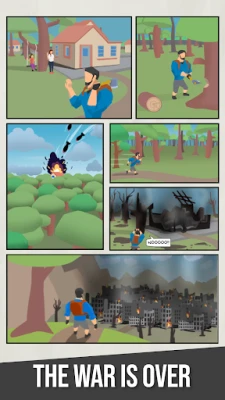
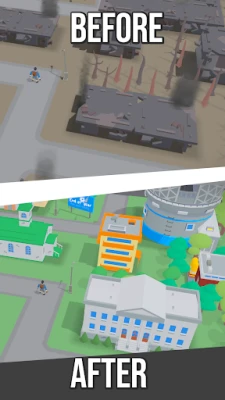
In the aftermath of destruction, the path to recovery is often fraught with challenges. However, innovative approaches to dismantling ruins and rebuilding communities can foster resilience and unity. This article explores unique mechanics for revitalizing devastated areas, emphasizing collaboration, compassion, and sustainable practices.
Dismantling the Ruins: A Thoughtful Approach
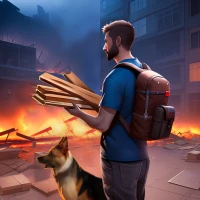
When faced with the remnants of destroyed houses, the first step is to carefully dismantle the ruins. This process requires a strategic approach to ensure safety and efficiency. Utilizing specialized tools and techniques, workers can methodically remove debris while preserving materials that can be reused in reconstruction efforts. This not only minimizes waste but also honors the history of the structures that once stood.
Chopping Trees: Nature’s Resource for Reconstruction
In many devastated areas, trees can be a valuable resource. Chopping down trees, when done sustainably, provides essential materials for rebuilding. Timber can be transformed into sturdy frameworks for new homes, while branches and leaves can be repurposed for various construction needs. By integrating natural resources into the rebuilding process, communities can create a harmonious balance between nature and human habitation.
Establishing Processing Plants: A Sustainable Future
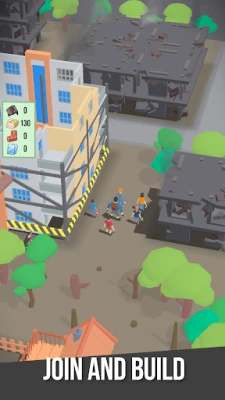
To facilitate the reconstruction of communities, establishing processing plants for wood, brick, and glass is crucial. These facilities can transform raw materials into usable products, ensuring that rebuilding efforts are both efficient and environmentally friendly. By investing in local processing plants, communities can create jobs, stimulate the economy, and reduce reliance on external resources. This self-sufficiency is vital for long-term recovery and growth.
Finding Residents: Uniting Communities in Crisis
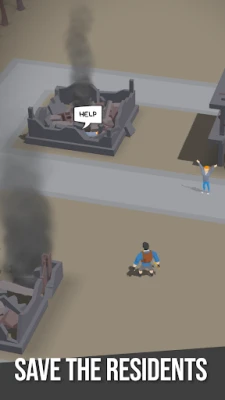
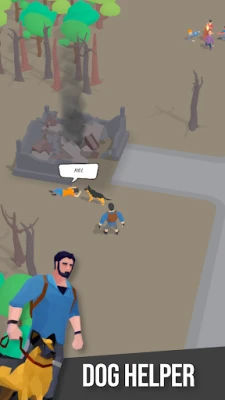
One of the most heart-wrenching aspects of destruction is the displacement of residents. Finding those who have been lost under rubble or in nearby forests is a critical step in the recovery process. Community members, volunteers, and local organizations can work together to conduct search and rescue operations. By uniting residents, communities can foster a sense of belonging and shared purpose, which is essential for rebuilding efforts.
Rebuilding Together: A Collective Effort
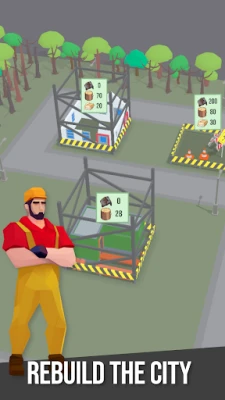
Reconstruction is not just about physical structures; it’s about rebuilding lives and relationships. By encouraging collaboration among residents, communities can harness the power of collective effort. Workshops, community meetings, and volunteer days can bring people together to share skills, resources, and ideas. This collaborative spirit not only accelerates the rebuilding process but also strengthens community bonds, fostering a sense of hope and resilience.
Promoting Kindness and Sympathy: The Heart of Recovery
In times of crisis, kindness and sympathy become the cornerstones of recovery. By prioritizing compassion in all rebuilding efforts, communities can create an environment where healing can flourish. Initiatives that promote mental health support, community gatherings, and acts of kindness can help residents cope with the emotional toll of destruction. A focus on empathy ensures that the rebuilding process is not just about physical structures but also about nurturing the human spirit.
Conclusion: A Vision for a Brighter Future
The journey of rebuilding after destruction is challenging, yet it offers an opportunity for communities to emerge stronger and more united. By employing unique mechanics for dismantling ruins, utilizing natural resources, establishing processing plants, and fostering collaboration, communities can pave the way for a sustainable and hopeful future. With kindness and sympathy at the forefront, the vision of a revitalized community becomes not just a dream, but a tangible reality.
Rate the App
User Reviews









Popular Apps










Editor's Choice