Latest Version
2.0
August 18, 2024
Alexandr Kostryukov
Games
iOS
1.1 GB
0
Free
Report a Problem
More About Steel And Flesh 2: New Lands
Exploring the Rich Tapestry of Global History: A Journey Through Continents, Cultures, and Combat
Embark on an enlightening journey through the intricate layers of global history, where continents and islands serve as the backdrop for the rise and fall of empires. This article delves into the fascinating world of historical nations, their cities, and the various elements that shaped their legacies, including warfare, commerce, and cultural exchanges.
The Global Map: A Canvas of Civilizations
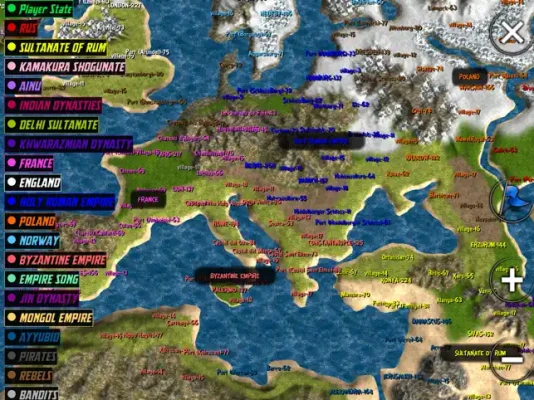
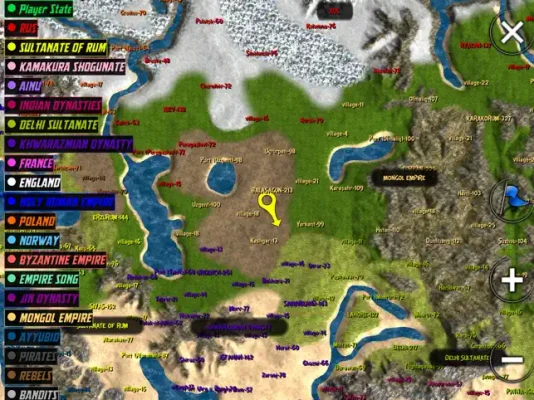
The global map is not merely a representation of land and water; it is a vibrant tapestry woven with the stories of countless civilizations. From the ancient realms of Byzantium to the expansive territories of the Mongol Empire, each region has contributed to the rich narrative of human history.
Continents and Islands: The Birthplaces of Nations
Across the continents, diverse cultures have flourished. The following nations stand out for their historical significance:
- Byzantium: A bridge between East and West, known for its rich culture and strategic location.
- Russia: A vast land that has seen the rise of powerful dynasties and empires.
- Koni Sultanate: A lesser-known but influential state in the annals of history.
- Mongol Empire: The largest contiguous empire in history, renowned for its military prowess.
- Norway: A land of seafarers and explorers, contributing to maritime history.
- England: A nation that played a pivotal role in shaping modern governance and culture.
- France: Known for its revolutionary ideas and artistic achievements.
- Holy Roman Empire: A complex political entity that influenced European history for centuries.
- Poland: A nation with a rich heritage and a resilient spirit.
- Song Empire: A period of great innovation and economic prosperity in China.
- Jin Empire: A significant player in the history of Northern China.
- Ayyubids: A dynasty known for its military and cultural achievements in the Middle East.
- Kamakura Shogunate: The first shogunate in Japan, marking the beginning of feudalism.
- Ainu: Indigenous people of Japan with a unique culture and history.
- Indian Dynasties: A multitude of kingdoms that contributed to the subcontinent's rich history.
- Khorezmshahs State: A significant power in Central Asia during the medieval period.
- Delhi Sultanate: A series of Muslim dynasties that ruled over northern India.
- Pirates, Rebels, and Bandits: The unsung heroes and villains of history, shaping the narratives of their times.
Cities, Castles, Ports, and Villages: The Heart of Civilization
At the core of these nations lie their cities, castles, ports, and villages. Each location tells a story of its own, reflecting the culture, economy, and military strategies of its time. Cities served as hubs of trade and culture, while castles stood as symbols of power and defense. Ports facilitated maritime trade, connecting distant lands, while villages represented the agricultural backbone of societies.
Sailing: Navigating the Waters of History
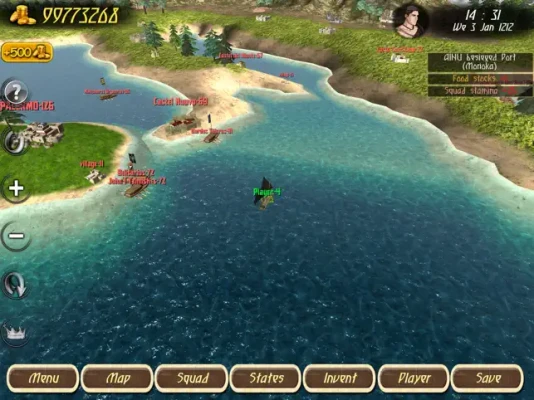
Sailing was not just a means of transportation; it was a vital component of trade and exploration. The mastery of navigation allowed civilizations to expand their horizons, leading to cultural exchanges and the spread of ideas. From the Viking longships to the grand galleons of the Spanish Empire, maritime prowess shaped the course of history.
Combat and Warfare: The Art of the Third-Person Fight
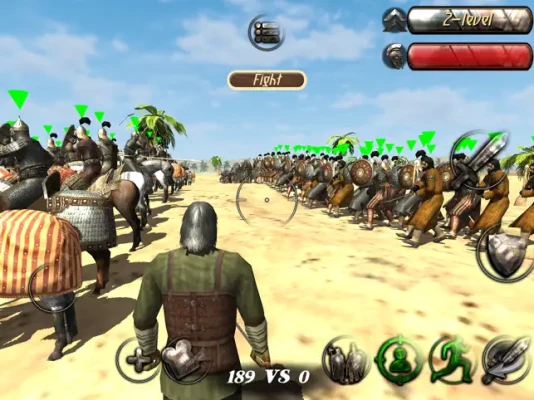
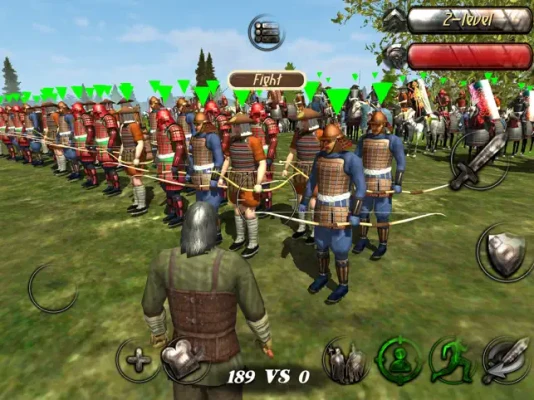
Warfare has always been a defining aspect of human civilization. The art of combat evolved over centuries, with various strategies and technologies coming into play. The third-person fight, a concept often explored in historical narratives, highlights the importance of individual skill and strategy in battle.
Cavalry: The Backbone of Armies
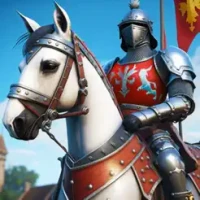
Cavalry units played a crucial role in historical warfare. Their mobility and speed allowed armies to execute flanking maneuvers and surprise attacks. The effectiveness of cavalry was evident in battles across different cultures, from the Mongol horsemen to the knights of medieval Europe.
Inventory and Customization: Equipping for Battle
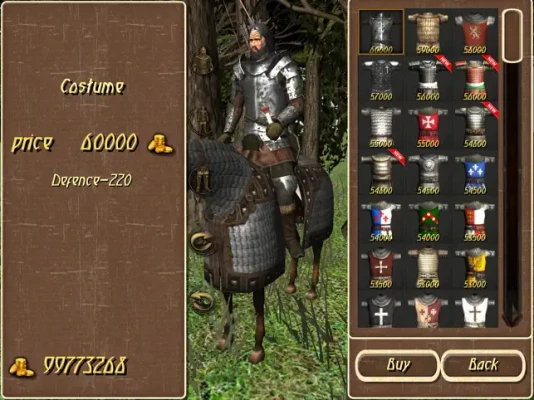
In the realm of warfare, having the right equipment is paramount. Armies relied on a diverse inventory that included:
- Armor: Essential for protection in battle.
- Helmets: Designed to safeguard the head during combat.
- Boots: Providing mobility and comfort for soldiers.
- Shields: Vital for defense against projectiles.
- Swords, Bows, and Spears: The primary weapons of choice for various cultures.
- Crossbows and Maces: Specialized weapons that offered unique advantages in battle.
Siege Weapons: The Art of Destruction
Siege warfare introduced a new dimension to military strategy. The development of siege weapons such as catapults, rams, towers, and ballistae allowed armies to breach fortified structures and conquer cities. These innovations changed the landscape of warfare and demonstrated the ingenuity of military engineers.
Purchasing Land and Creating a Business: The Foundations of Economy
Beyond warfare, the establishment of economies played a crucial role in the sustainability of civilizations. The ability to purchase land and create businesses allowed individuals and families to thrive. This economic foundation supported the growth of cities and the development of trade networks, further enriching the cultural tapestry of nations.
Conclusion: A Journey Through Time
The exploration of global history reveals a complex interplay of cultures, economies, and warfare. From the rise of empires to the establishment of trade routes, each element contributes to our understanding of the past. As we reflect on these historical narratives, we gain valuable insights into the human experience and the forces that have shaped our world.
Rate the App
User Reviews















Popular Apps









Editor's Choice