



Latest Version
1.4.3
January 18, 2026
Ouroboro Soft
Games
Android
0
Free
com.ouroboros.solarsystem
Report a Problem
More About Space Atlas: The Solar System
Explore the Wonders of the Solar System: A Comprehensive Guide
Embark on an extraordinary journey through our Solar System, where each planet offers a unique glimpse into the cosmos. This guide provides in-depth insights into the characteristics, structures, atmospheres, and remarkable features of each planet. From the majestic rings of Saturn to the vast canyons of Mars, discover what makes our celestial neighbors so fascinating.
Unveiling the Planets: Characteristics and Features
Each planet in our Solar System possesses distinct traits that contribute to its individuality. Understanding these characteristics not only enhances our knowledge but also ignites our curiosity about the universe.
Mercury: The Swift Planet
Mercury, the closest planet to the Sun, is known for its swift orbit and extreme temperature fluctuations. With a surface marked by craters, it resembles our Moon, showcasing a history of impacts.
Venus: Earth's Twin
Often referred to as Earth's twin due to its similar size, Venus boasts a thick atmosphere filled with carbon dioxide and sulfuric acid clouds. This creates a greenhouse effect, making it the hottest planet in our Solar System.
Earth: Our Home
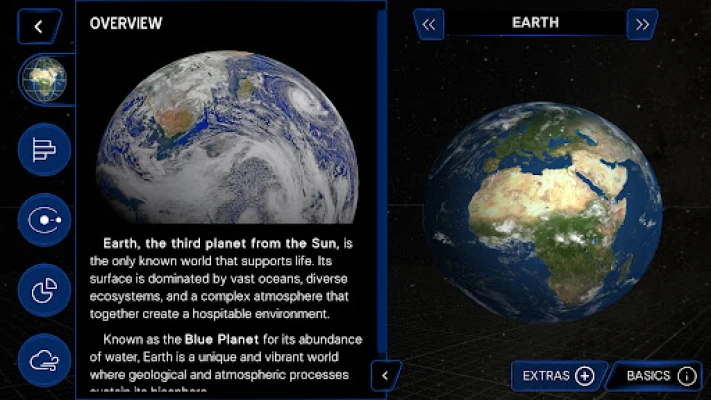
Earth is the only planet known to support life, thanks to its perfect distance from the Sun and a diverse atmosphere. Its unique features include vast oceans, mountains, and a protective magnetic field.
Mars: The Red Planet
Mars captivates with its reddish hue, caused by iron oxide on its surface. Home to the largest volcano and canyon in the Solar System, it has been a focal point for exploration and the search for extraterrestrial life.
Jupiter: The Giant
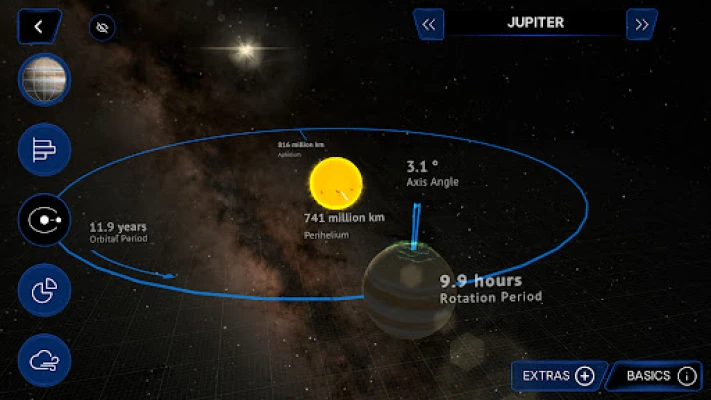
As the largest planet, Jupiter is a gas giant with a thick atmosphere and a famous Great Red Spot, a massive storm. Its numerous moons, including Ganymede, the largest moon in the Solar System, add to its intrigue.
Saturn: The Ringed Wonder
Saturn is renowned for its stunning rings, composed of ice and rock particles. This gas giant's unique beauty and complex system of moons make it a favorite among astronomers.
Uranus: The Tilted Planet
Uranus stands out due to its extreme axial tilt, causing it to rotate on its side. This ice giant features a faint ring system and is known for its striking blue color, resulting from methane in its atmosphere.
Neptune: The Distant Blue Planet
Neptune, the farthest planet from the Sun, is characterized by its deep blue color and strong winds. Its dynamic atmosphere and storm systems make it a subject of ongoing research and fascination.
Interactive Learning: Engage with the Cosmos
Enhance your understanding of the Solar System through interactive tools and engaging activities. These resources provide a hands-on approach to learning about space.
Spacecraft Simulation Games
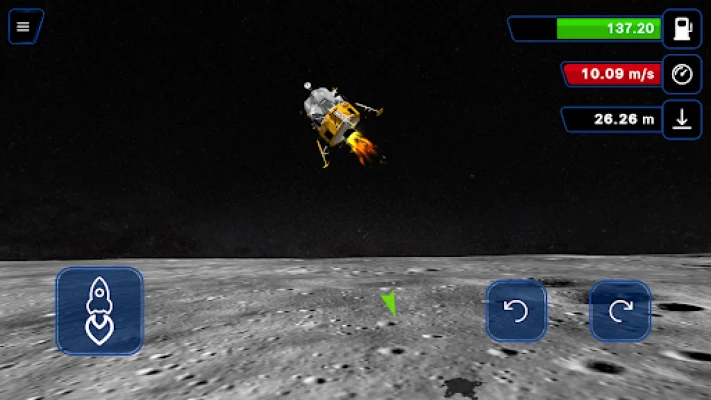
Experience the thrill of piloting a spacecraft in exciting mini-games. Navigate your way to the Moon and other celestial bodies, tackling the challenges of landing on diverse terrains. These interactive experiences deepen your appreciation for space missions and the complexities involved in exploring our universe.
Challenge Yourself: Quizzes and Competitions
Put your knowledge to the test with quizzes designed to challenge your understanding of the Solar System. Engage in friendly competition with others as you answer questions about planets and celestial bodies. Climb the leaderboards and discover fascinating facts along the way, making learning both fun and competitive.
A Multi-Chapter Educational Journey
Space Atlas: The Solar System is just the beginning of an expansive educational project. This first chapter delves into the wonders of our Solar System, exploring its planets, moons, and other celestial phenomena. Future chapters will broaden the scope to include galaxies, stars, exoplanets, cosmology, and much more. Stay tuned for an exciting journey through the universe!
Conclusion: The Infinite Wonders Await
The Solar System is a treasure trove of knowledge and exploration. By understanding the unique characteristics of each planet and engaging with interactive learning tools, we can foster a deeper appreciation for the cosmos. Whether you're a budding astronomer or simply curious about space, the wonders of our Solar System are waiting to be discovered.
Rate the App
User Reviews














Popular Apps










Editor's Choice