



Latest Version
2.0.1
July 09, 2025
Bulut Macit
Games
iOS
333.4 MB
0
Free
Report a Problem
More About SimTurk
Mastering Energy Production and Urban Development for Global Dominance
In today's rapidly evolving world, the interplay between energy production, urban development, and technological advancement is crucial for any nation aspiring to achieve global dominance. This article delves into the multifaceted strategies that can be employed to enhance energy production, develop urban infrastructure, and leverage technology for military and economic superiority.
Maximizing Energy Production
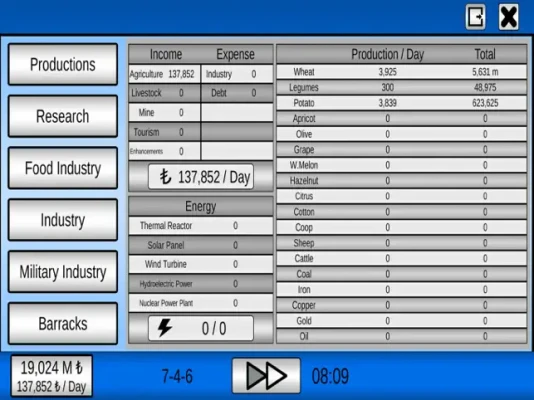
Energy production serves as the backbone of any thriving economy. Nations must invest in diverse energy sources, including renewable energy, fossil fuels, and nuclear power, to ensure a stable and sustainable energy supply. By harnessing innovative technologies, countries can optimize energy efficiency and reduce environmental impact.
Investing in Renewable Energy
Transitioning to renewable energy sources such as solar, wind, and hydroelectric power is essential for long-term sustainability. Governments should incentivize investments in these technologies, fostering a green economy that not only meets energy demands but also addresses climate change.
Enhancing Fossil Fuel Production
While renewable energy is vital, fossil fuels remain a significant part of the global energy landscape. Nations must focus on improving extraction techniques and refining processes to maximize output and minimize environmental damage. This dual approach ensures energy security while transitioning to greener alternatives.
Urban Development: Building the Future
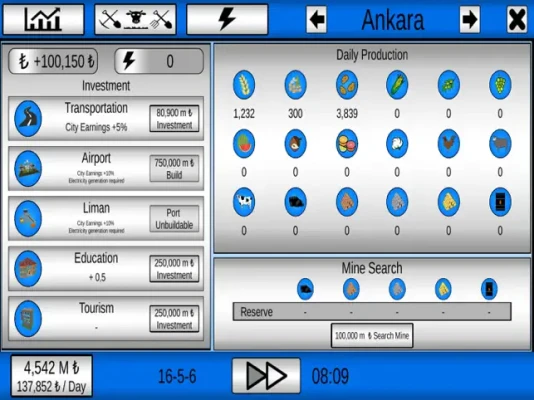
To support a growing population and economy, cities must evolve through strategic urban development. This includes constructing essential infrastructure such as roads, factories, airports, and ports, which facilitate trade and enhance connectivity.
Infrastructure Development
Building robust infrastructure is critical for economic growth. Well-planned roads and transportation networks reduce congestion and improve logistics, while modern factories boost production capabilities. Airports and ports enhance international trade, allowing for efficient import and export operations.
Educational Institutions and Technological Advancement
Establishing schools across the nation is vital for fostering a skilled workforce. Education drives innovation, and by investing in scientific research, countries can develop cutting-edge technologies that propel them ahead of competitors. A strong emphasis on STEM (Science, Technology, Engineering, and Mathematics) education will prepare future generations for the challenges of a tech-driven world.
Technological Production: The Key to Military Superiority
In an era where technological prowess defines military strength, nations must prioritize the production of advanced military equipment and vehicles. This includes investing in research and development to create state-of-the-art technologies that enhance defense capabilities.
Military Vehicle Production
Developing a diverse range of military vehicles, from ground troops to aerial drones, is essential for maintaining national security. By leveraging advanced manufacturing techniques and materials, countries can produce vehicles that are not only effective but also resilient in various combat scenarios.
Global Trade: Importing and Exporting for Economic Growth
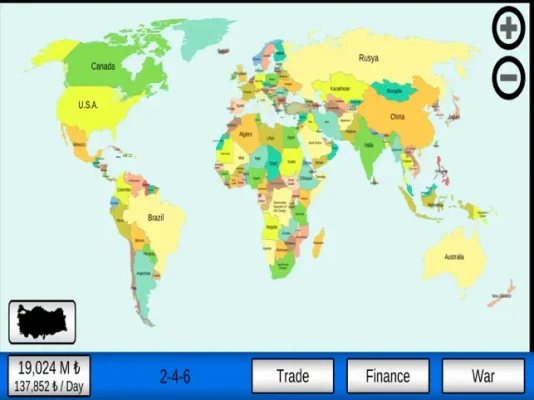
Engaging in global trade is crucial for economic expansion. By establishing strong import and export channels, nations can access resources, technologies, and markets that drive growth. Strategic trade agreements can enhance a country's competitive edge on the world stage.
Strategic Trade Agreements
Negotiating favorable trade agreements allows countries to secure essential resources while opening new markets for their products. This not only boosts the economy but also strengthens international relationships, fostering a collaborative global environment.
War and Conquest: A Controversial Path to Dominance
While the pursuit of peace is ideal, history shows that military might can play a role in establishing dominance. Nations must carefully consider their strategies regarding military engagement and territorial expansion, weighing the potential benefits against the ethical implications.
Strategic Military Engagement
When conflicts arise, having a well-defined military strategy is essential. This includes assessing the geopolitical landscape, understanding the strengths and weaknesses of adversaries, and deploying resources effectively to achieve objectives.
Setting Your Strategy for Global Dominance
To dominate the world stage, nations must develop comprehensive strategies that encompass energy production, urban development, technological advancement, and military readiness. By integrating these elements, countries can position themselves as leaders in the global arena.
Holistic Approach to Strategy
A successful strategy requires a holistic approach that considers economic, social, and environmental factors. By fostering collaboration between government, industry, and academia, nations can create a resilient framework that supports sustainable growth and global influence.
In conclusion, mastering energy production, urban development, and technological innovation is essential for any nation seeking to assert its dominance on the world stage. By implementing strategic initiatives and fostering collaboration, countries can pave the way for a prosperous and influential future.
Rate the App
User Reviews















Popular Apps










Editor's Choice