

Latest Version
0.30
July 22, 2026
Sim Companies s.r.o.
Games
Android
1
Free
com.simcompanies.simenergypwa
Report a Problem
More About Sim Energy Empire
Mastering the Energy Market: Strategies for Building Power Plants and Optimizing Energy Flow
In today's dynamic energy landscape, the ability to construct power plants, manage energy storage, and establish city connections is crucial for determining how energy flows. This article delves into effective strategies for navigating the energy market, responding to real-time changes, and outsmarting competitors.
Understanding the Energy Market
To thrive in the energy sector, it is essential to read the market effectively. This involves analyzing various factors such as weather patterns, consumer demand, supply shortages, and price fluctuations. By staying ahead of these variables, energy companies can make informed decisions that enhance their competitive edge.
Reacting to Weather and Demand
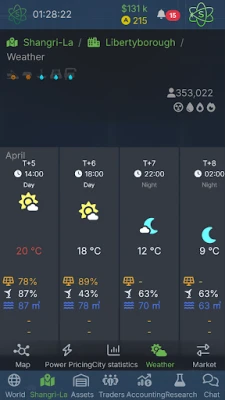
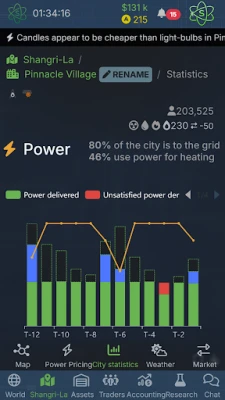
Weather conditions significantly impact energy production and consumption. For instance, sunny days can boost solar energy generation, while windy conditions can enhance wind power output. By leveraging advanced forecasting tools, companies can anticipate these changes and adjust their energy production accordingly. Additionally, understanding consumer demand trends allows businesses to optimize their energy distribution, ensuring that supply meets demand efficiently.
Managing Shortages and Price Swings
Energy shortages can occur due to various reasons, including unexpected outages or increased demand during peak hours. Companies must develop strategies to mitigate these risks, such as investing in energy storage solutions that can provide backup during shortages. Furthermore, being aware of price swings enables businesses to make timely decisions, such as purchasing energy at lower rates or selling when prices are high, maximizing profitability.
Outplaying Competitors in a Live Economy
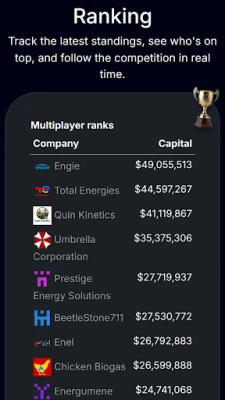
In a competitive energy market, companies must outplay rivals by making strategic decisions on where to build power plants and which cities to connect. This live multiplayer economy requires agility and foresight, as companies vie for market share in various urban areas.
Strategic Location of Power Plants
Choosing the right locations for power plants is critical. Companies should consider factors such as proximity to energy demand centers, availability of renewable resources, and regulatory environments. By strategically placing power plants, businesses can reduce transmission losses and enhance their overall efficiency.
Connecting Cities for Optimal Energy Flow
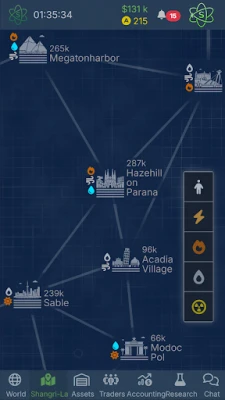
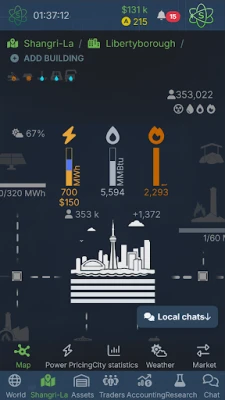
Establishing connections between cities is vital for ensuring a seamless energy flow. Companies should identify underserved areas where energy demand is high but supply is low. By connecting these cities to their energy networks, businesses can tap into new markets and increase their customer base.
Balancing Renewable and Traditional Energy Sources
As the energy landscape evolves, companies must balance renewable sources with traditional fossil fuels. Each energy source presents unique opportunities and challenges, particularly as weather conditions and demand fluctuate. By diversifying their energy portfolios, companies can enhance their resilience against market volatility.
Leveraging Renewable Energy
Investing in renewable energy sources such as solar, wind, and hydroelectric power not only supports sustainability but also positions companies favorably in the market. As consumer preferences shift towards greener energy options, businesses that prioritize renewables can attract environmentally conscious customers and gain a competitive advantage.
Utilizing Traditional Fossil Fuels
While renewable energy is on the rise, traditional fossil fuels still play a significant role in the energy mix. Companies should strategically utilize these resources to meet immediate demand and stabilize their energy supply. By maintaining a balanced approach, businesses can navigate the complexities of the energy market more effectively.
Competing in a Dynamic Power Market
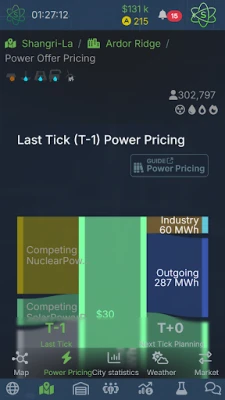
In a live power market, companies face constant competition from other players. To succeed, businesses must identify profitable demand, defend their market share, and outmaneuver rivals as prices fluctuate. This requires a proactive approach and a keen understanding of market dynamics.
Identifying Underserved Markets
Finding underserved cities is a key strategy for gaining a competitive edge. By conducting thorough market research, companies can pinpoint areas with high energy demand but limited supply. Targeting these markets allows businesses to expand their reach and increase their revenue potential.
Defending Profitable Demand
Once a company establishes a foothold in a profitable market, it is essential to defend that demand against competitors. This can be achieved through superior customer service, competitive pricing, and innovative energy solutions. By fostering strong relationships with customers, businesses can enhance loyalty and reduce the risk of losing market share.
Conclusion: Thriving in the Energy Sector
Successfully navigating the energy market requires a combination of strategic planning, market awareness, and competitive agility. By constructing power plants, optimizing energy storage, and connecting cities effectively, companies can position themselves for success. Embracing both renewable and traditional energy sources will further enhance resilience in a rapidly changing landscape. Ultimately, those who can adapt and outplay their rivals will thrive in this dynamic industry.
Rate the App
User Reviews















Popular Apps










Editor's Choice