





Latest Version
4.2
April 08, 2026
Spiky Games!
Games
Android
0
Free
com.spiky.SharkAttack
Report a Problem
More About Shark Attack
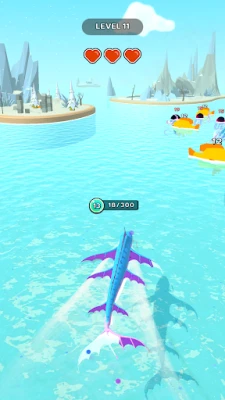
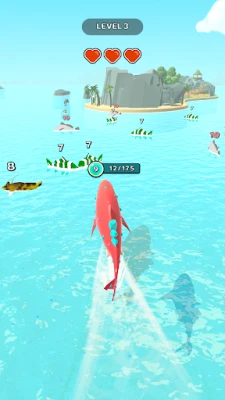
Become the Most Powerful Fish in the Ocean: A Journey of Evolution
In the vast expanse of the ocean, a thrilling adventure awaits those who dare to evolve. The underwater world is teeming with life, and every fish has a story to tell. This article explores the fascinating journey of becoming the most powerful fish in the ocean, highlighting the stages of evolution and the challenges faced along the way.
The Ocean: A World of Diversity
The ocean is home to an incredible variety of fish species, each uniquely adapted to its environment. From the vibrant coral reefs to the dark depths of the abyss, the ocean offers a rich tapestry of life. Understanding this diversity is crucial for any aspiring fish looking to rise to the top of the food chain.
Stages of Evolution: From Fry to Predator
Every fish begins its life as a tiny fry, navigating the challenges of survival in a vast and often hostile environment. As they grow, they undergo several stages of evolution, each marked by significant changes in their physical and behavioral traits.
1. The Fry Stage: The Beginning of Life
In the fry stage, fish are vulnerable and must rely on their instincts to survive. They learn to evade predators and find food, often schooling with others for safety. This stage is crucial for developing the skills needed for future growth.
2. The Juvenile Stage: Gaining Independence
As fish transition into the juvenile stage, they begin to assert their independence. They explore their surroundings, learn to hunt, and establish their territory. This stage is vital for honing their skills and preparing for the challenges of adulthood.
3. The Adult Stage: Mastering the Ocean
Upon reaching adulthood, fish become formidable predators. They possess enhanced physical attributes, such as speed, strength, and agility, allowing them to dominate their environment. This stage is where they truly become the most powerful fish in the ocean.
Adapting to Challenges: Survival of the Fittest
The journey to becoming the most powerful fish is fraught with challenges. From predators to environmental changes, fish must continuously adapt to survive. Here are some key factors that influence their evolution:
1. Predation: The Constant Threat
Predators are a significant threat to fish at every stage of their life cycle. Developing effective defense mechanisms, such as camouflage or speed, is essential for survival. Those who can outsmart their predators are more likely to thrive.
2. Environmental Changes: Adapting to New Conditions
The ocean is not a static environment. Changes in temperature, salinity, and food availability can impact fish populations. Successful fish adapt to these changes, evolving new traits that enhance their survival in shifting conditions.
3. Competition: The Race for Resources
Competition for food and territory is fierce in the ocean. Fish must develop strategies to outcompete others for resources. This may involve evolving unique feeding habits or establishing dominance in their habitat.
The Role of Social Structures in Evolution
Many fish species exhibit complex social structures that play a crucial role in their evolution. Social interactions can influence behavior, mating strategies, and even survival rates. Here’s how social structures impact fish evolution:
1. Schooling Behavior: Safety in Numbers
Schooling is a common behavior among fish, providing safety from predators. By swimming in groups, fish can confuse predators and reduce individual risk. This behavior also enhances foraging efficiency, allowing fish to find food more easily.
2. Mating Strategies: The Quest for Reproduction
Mating strategies vary widely among fish species. Some engage in elaborate courtship displays, while others rely on sheer numbers to ensure reproduction. Successful mating strategies contribute to the evolution of traits that enhance survival and reproductive success.
3. Hierarchical Structures: Establishing Dominance
In many species, hierarchical structures dictate access to resources and mating opportunities. Dominant individuals often have better access to food and mates, influencing the evolutionary trajectory of the species. Understanding these dynamics is essential for any fish aspiring to become the most powerful in the ocean.
Conclusion: Embrace the Journey of Evolution
Becoming the most powerful fish in the ocean is not just about physical strength; it’s a journey of evolution, adaptation, and survival. By understanding the stages of life, the challenges faced, and the importance of social structures, fish can navigate their underwater world with confidence. Embrace the journey, evolve, and rise to the top of the ocean’s food chain!
Rate the App
User Reviews















Popular Apps










Editor's Choice