

Latest Version
1.1
October 06, 2024
Aarhus University
Games
iOS
334.5 MB
0
Free
Report a Problem
More About SafeConsumE
Master Food Safety: Simple Steps to Prevent Foodborne Illnesses
Every year, millions of individuals fall ill due to foodborne diseases. However, you can take proactive measures to ensure you are not among them. By following straightforward guidelines for safe food handling in your kitchen, you can significantly reduce the risk of contamination. Engage in a fun cooking game that not only entertains but also educates you on essential food safety practices.
Understanding Foodborne Illnesses
Foodborne illnesses, often referred to as food poisoning, occur when you consume contaminated food or beverages. Common culprits include bacteria, viruses, and parasites that thrive in improperly handled or cooked food. Symptoms can range from mild discomfort to severe health complications, making it crucial to prioritize food safety.
Essential Steps for Safe Food Handling
Implementing safe food handling practices in your kitchen is easier than you might think. Here are some key steps to follow:
1. Clean Your Kitchen
Start with a clean workspace. Wash your hands thoroughly with soap and water before and after handling food. Ensure that all surfaces, utensils, and cutting boards are sanitized to eliminate any harmful bacteria. Regularly clean your kitchen appliances, especially those that come into direct contact with food.
2. Separate Raw and Cooked Foods
Prevent cross-contamination by keeping raw and cooked foods separate. Use different cutting boards for raw meats and vegetables. Store raw meats on the bottom shelf of your refrigerator to avoid drips onto other foods. This simple practice can significantly reduce the risk of spreading harmful pathogens.
3. Cook Food Thoroughly
Cooking food to the appropriate temperature is vital for killing harmful bacteria. Use a food thermometer to ensure that meats, poultry, and seafood reach safe internal temperatures. For example, chicken should be cooked to an internal temperature of 165°F (75°C). This step is crucial in safeguarding your health.
4. Chill Food Promptly
Refrigerate perishable foods within two hours of cooking or purchasing. Keeping your refrigerator at 40°F (4°C) or below helps slow bacterial growth. Be mindful of leftovers; consume them within three to four days or freeze them for later use. Proper chilling is essential for maintaining food safety.
Engaging in a Fun Cooking Game
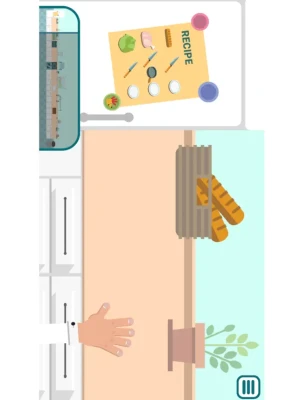
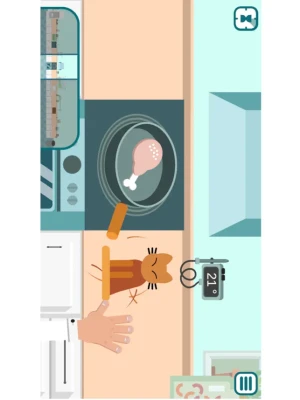
To reinforce these food safety practices, consider participating in a cooking game designed to teach you about safe food handling. The game allows you to simulate various kitchen tasks, such as chopping ingredients, frying chicken, and washing dishes, all while managing challenges like a mischievous cat. This interactive experience not only makes learning enjoyable but also helps you remember essential safety tips.
Conclusion: Prioritize Food Safety
Foodborne illnesses can be easily prevented by adopting safe food handling practices in your kitchen. By cleaning your workspace, separating raw and cooked foods, cooking thoroughly, and chilling promptly, you can protect yourself and your loved ones from potential health risks. Embrace the opportunity to learn through engaging activities like cooking games, and make food safety a priority in your culinary adventures.
Remember, a little knowledge and preparation can go a long way in ensuring that your kitchen remains a safe and enjoyable place to create delicious meals.
Rate the App
User Reviews















Popular Apps










Editor's Choice