
Latest Version
0.3.7
October 25, 2024
Yso Corp
Games
iOS
178.8 MB
0
Free
Report a Problem
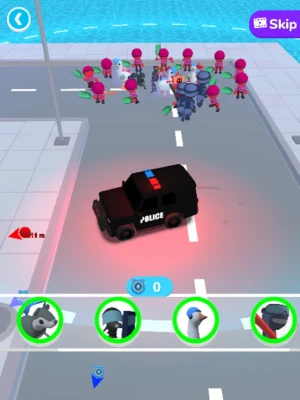
More About Riot Buster
Mastering Urban Peacekeeping: A Guide to Managing Riots with Police Vehicles
In today’s fast-paced urban environment, maintaining peace and order is a critical responsibility for law enforcement agencies. This article explores the effective strategies for managing riots using a variety of police vehicles and specialized units. By understanding the dynamics of urban unrest and deploying the right resources, police can restore peace and ensure public safety.
The Role of Police Vehicles in Riot Control
Police vehicles play a vital role in responding to civil disturbances. From patrol cars to armored vehicles, each type serves a specific purpose in maintaining order. Understanding the capabilities and appropriate use of these vehicles is essential for effective riot management.
Types of Police Vehicles
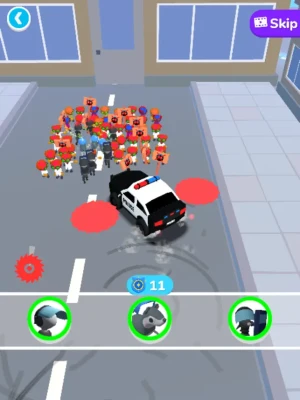
- Patrol Cars: These are the most common vehicles used by police. They are agile and can navigate through traffic quickly, allowing officers to respond rapidly to incidents.
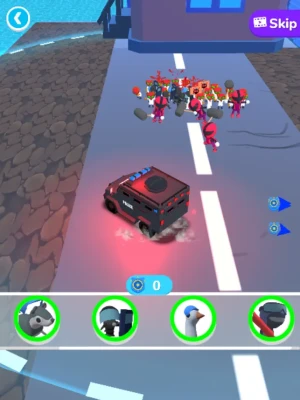
- SWAT Vehicles: Equipped with advanced technology and armor, these vehicles are designed for high-risk situations, providing protection for officers and allowing for tactical operations.
- Command Centers: Mobile command units enable police to coordinate their efforts from the field, ensuring effective communication and strategy implementation during riots.
- Motorcycles: Ideal for navigating crowded areas, motorcycles allow officers to maneuver quickly and provide a visible presence in the community.
Identifying and Assessing Riots
Before deploying units, it’s crucial to identify the signs of a potential riot. Early detection can prevent escalation and allow for a more controlled response.
Signs of Escalation
- Large Gatherings: Monitor crowds for signs of agitation or unrest.
- Increased Tension: Look for verbal confrontations or aggressive behavior among individuals.
- Social Media Activity: Keep an eye on platforms where groups may organize or incite unrest.
Deploying Diverse Units for Effective Response
Once a potential riot is identified, deploying the right units is essential for restoring peace. A diverse approach ensures that all aspects of the situation are addressed.
Specialized Units
- Community Policing Teams: These officers build relationships within the community, helping to diffuse tensions before they escalate.
- Riot Control Units: Trained specifically for crowd management, these units use non-lethal methods to control and disperse crowds.
- Negotiation Teams: Skilled negotiators can engage with protest leaders to find peaceful resolutions and prevent violence.
Strategies for Restoring Peace
Effective strategies are crucial for managing riots and restoring order. Here are some key approaches that law enforcement can implement:
Establishing a Presence
Visibility is key in riot control. A strong police presence can deter potential unrest and reassure the public. Officers should be strategically positioned in high-risk areas to monitor and respond quickly to any signs of trouble.
Communication is Key
Clear communication with the public is essential. Use social media, press releases, and community meetings to inform citizens about police actions and encourage cooperation. Transparency helps build trust and can prevent misunderstandings that may lead to unrest.
Utilizing Technology
Modern technology can enhance riot management efforts. Drones, surveillance cameras, and real-time data analysis can provide valuable insights into crowd behavior and movement, allowing for more informed decision-making.
Post-Riot Recovery and Community Engagement
After a riot, the focus shifts to recovery and rebuilding community trust. Engaging with the community is vital for long-term peace.
Community Outreach Programs
Implementing outreach programs can help bridge the gap between law enforcement and the community. Initiatives such as town hall meetings, youth engagement programs, and collaborative events can foster positive relationships and prevent future unrest.
Evaluating Response Effectiveness
After any incident, it’s important to evaluate the response. Analyze what worked and what didn’t, and adjust strategies accordingly. Continuous improvement ensures that law enforcement is better prepared for future challenges.
Conclusion
Managing riots in urban environments requires a multifaceted approach that combines the right vehicles, specialized units, and effective communication strategies. By understanding the dynamics of civil unrest and deploying resources wisely, law enforcement can restore peace and maintain public safety. Engaging with the community post-incident is equally important for rebuilding trust and preventing future conflicts. Through proactive measures and continuous evaluation, police can create a safer environment for all citizens.
Rate the App
User Reviews









Popular Apps









Editor's Choice