

Latest Version
3.8
September 12, 2024
Manoj Koti
Games
iOS
1.3 GB
0
Free
Report a Problem
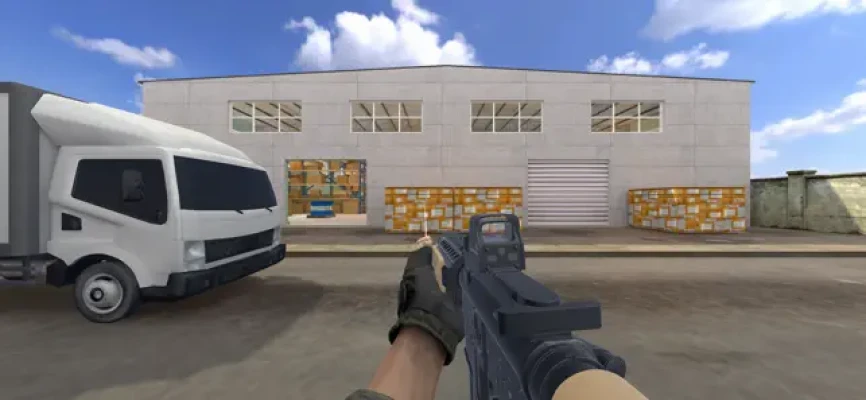
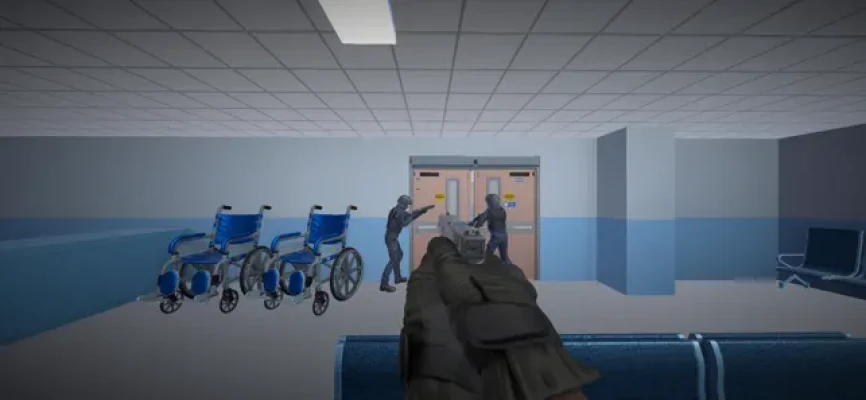
More About Recurrence Co-op
Experience the Intensity: Situations Encountered by SWAT Officers
When it comes to law enforcement, few units are as renowned and respected as the SWAT (Special Weapons and Tactics) team. These highly trained officers face a myriad of challenging situations that require not only exceptional skills but also quick decision-making and teamwork. In this article, we will delve into the various scenarios that SWAT officers encounter, shedding light on their critical roles in maintaining public safety.
The Nature of SWAT Operations
SWAT operations are often characterized by their high-stakes environment. Officers are called upon to handle situations that regular police units may not be equipped to manage. This includes hostage rescues, armed standoffs, and counter-terrorism operations. The nature of these missions demands a unique set of skills and a mindset geared towards rapid response and tactical precision.
Hostage Situations: A Test of Nerves
One of the most intense scenarios SWAT teams face is a hostage situation. In these critical moments, time is of the essence. Officers must assess the situation quickly, gather intelligence, and formulate a plan to ensure the safety of the hostages while neutralizing the threat. Communication is key, as negotiators work to establish dialogue with the captor, aiming to resolve the situation peacefully whenever possible.
Armed Standoffs: The Art of De-escalation
Armed standoffs present another significant challenge for SWAT teams. These situations often involve suspects who are barricaded and armed, posing a danger to themselves and others. SWAT officers must employ tactical strategies to contain the situation, utilizing specialized equipment and techniques to minimize risk. The goal is to de-escalate the confrontation, allowing for a peaceful resolution while ensuring the safety of all involved.
Counter-Terrorism Operations: Protecting the Public
In an age where terrorism remains a global threat, SWAT teams are often at the forefront of counter-terrorism efforts. These operations require extensive planning and coordination with various agencies. Officers must be prepared to respond to potential threats, conduct raids, and secure locations that may be targeted by terrorists. The ability to think on their feet and adapt to rapidly changing circumstances is crucial in these high-pressure situations.
High-Risk Warrant Service: Precision and Timing
Executing high-risk warrants is another critical aspect of SWAT operations. These missions often involve apprehending dangerous suspects who may be armed and willing to resist arrest. SWAT teams meticulously plan these operations, ensuring that they have the element of surprise on their side. Timing is everything; a well-coordinated entry can mean the difference between a successful operation and a potentially deadly confrontation.
Community Engagement: Building Trust
While SWAT teams are often associated with high-stress situations, they also play a vital role in community engagement. Building trust with the community is essential for effective policing. SWAT officers participate in outreach programs, educating the public about their roles and responsibilities. This proactive approach helps to demystify the SWAT unit and fosters a sense of safety and cooperation within the community.
Training: The Backbone of SWAT Success
To prepare for the diverse situations they encounter, SWAT officers undergo rigorous training. This includes physical conditioning, tactical drills, and scenario-based exercises that simulate real-life situations. Continuous training ensures that officers remain sharp and ready to respond effectively, regardless of the challenges they may face. The commitment to excellence is what sets SWAT teams apart from other law enforcement units.
Conclusion: The Unsung Heroes of Law Enforcement
SWAT officers are often the unsung heroes of law enforcement, stepping into the most dangerous situations to protect the public. Their ability to navigate complex scenarios, from hostage situations to counter-terrorism operations, showcases their dedication and skill. As we continue to face evolving threats, the role of SWAT teams remains crucial in ensuring the safety and security of our communities.
Understanding the challenges and responsibilities that come with being a SWAT officer not only highlights their bravery but also emphasizes the importance of their work in maintaining law and order. Through training, community engagement, and tactical expertise, these officers exemplify the highest standards of public service.
Rate the App
User Reviews














Popular Apps










Editor's Choice