

Latest Version
2.2.1
November 02, 2024
City Taxi Driving Simulator
Games
iOS
181.9 MB
1
Free
Report a Problem
More About Realistic Taxi Driving Sim 21
Experience the Ultimate Driving Adventure: A Comprehensive Guide to the Best Racing Game Features
In the world of racing games, players seek an immersive experience that combines stunning visuals, realistic mechanics, and engaging gameplay. This article delves into the standout features that elevate a racing game to new heights, ensuring players are captivated from the moment they hit the virtual asphalt.
Advanced Tuning System for Customization
One of the most exciting aspects of modern racing games is the tuning system. This feature allows players to modify their vehicles to enhance performance and tailor them to their driving style. From adjusting suspension settings to fine-tuning engine power, the possibilities are endless. Gamers can experiment with various configurations, ensuring that every race feels unique and personalized.
Ultra-Realistic Graphics That Bring the Game to Life
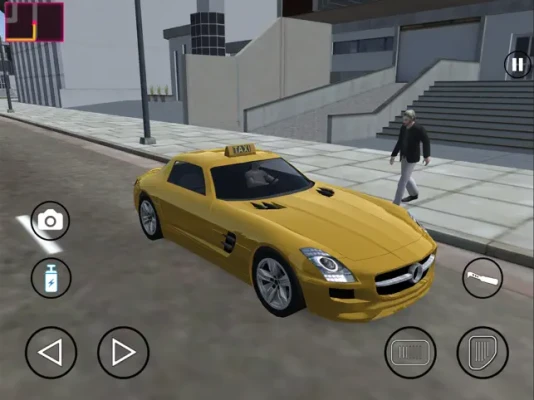
Graphics play a crucial role in creating an immersive gaming experience. With ultra-realistic graphics, players can enjoy breathtaking environments that mimic real-world locations. The attention to detail in lighting, textures, and weather effects enhances the overall aesthetic, making every race visually stunning. This level of realism draws players deeper into the game, making them feel as if they are truly behind the wheel.
Explore Detailed Maps for an Engaging Experience
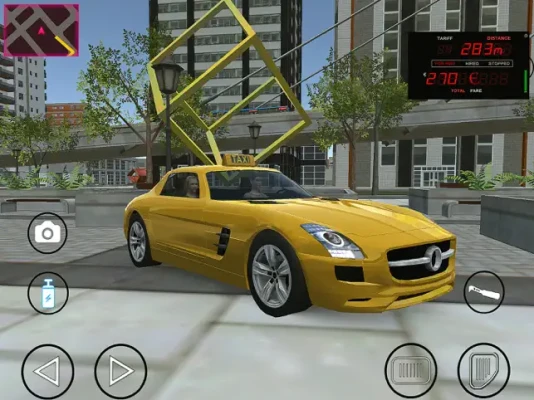
Detailed maps are essential for any racing game, providing players with diverse environments to explore. Whether navigating through bustling city streets or racing along scenic coastal highways, the detailed maps offer a variety of challenges and experiences. Each location is meticulously crafted, ensuring that players can enjoy a rich and varied racing experience.
Special Missions and Challenges to Test Your Skills
To keep the gameplay fresh and exciting, many racing games include special missions and challenges. These tasks often require players to complete specific objectives, such as time trials or skill-based challenges. By incorporating these elements, the game encourages players to hone their skills and strive for improvement, adding depth to the overall experience.
Realistic Car Physics for Authentic Driving
One of the hallmarks of a great racing game is its realistic car physics. This feature ensures that vehicles respond accurately to player inputs, simulating real-world driving dynamics. From acceleration to braking and cornering, the physics engine creates a believable driving experience that challenges players to master their vehicles.
Unlimited Customers for Endless Competition
In a vibrant racing community, having unlimited customers adds a layer of excitement. Players can compete against a diverse range of opponents, each with their unique driving styles and strategies. This feature fosters a competitive environment, encouraging players to improve their skills and climb the ranks.
A Diverse Selection of Cars to Choose From
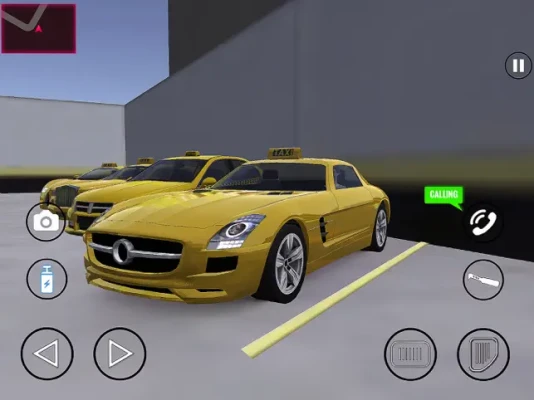
Variety is the spice of life, and in racing games, this is exemplified by the availability of too many types of cars. Players can choose from a wide array of vehicles, ranging from classic muscle cars to modern supercars. This extensive selection allows players to find their perfect ride, catering to different preferences and driving styles.
Authentic Engine Sounds for an Immersive Experience
Sound design is often overlooked, but it plays a vital role in creating an immersive gaming experience. Real engine sounds enhance the realism of the game, allowing players to feel the power of their vehicles. The roar of the engine, the screech of tires, and the ambient sounds of the environment all contribute to a captivating atmosphere.
Flexible Steering Options: Tilt, Buttons, and Touch
To accommodate different player preferences, many racing games offer various steering options. Players can choose between tilt steering, buttons, or a touch steering wheel. This flexibility ensures that everyone can find a control scheme that feels comfortable, enhancing the overall gameplay experience.
Free Ride Mode for Unrestricted Exploration
For those who prefer a more relaxed experience, the Free Ride mode allows players to explore the game world without the pressure of competition. This mode encourages players to enjoy the scenery, practice their driving skills, and experiment with different vehicles at their own pace.
Personalize Your Vehicles to Reflect Your Style
Customization is a key feature in many racing games, allowing players to personalize vehicles to reflect their unique style. From paint jobs to decals and performance upgrades, players can create a car that stands out on the track. This level of personalization adds a personal touch to the gaming experience, making it even more enjoyable.
Detailed Vehicle Interiors for Enhanced Realism
The detailed vehicle interiors in modern racing games contribute significantly to the immersive experience. Players can explore the intricacies of their cars' interiors, from the dashboard to the seats, enhancing the feeling of being in a real vehicle. This attention to detail further enriches the gameplay, making every race feel authentic.
Realistic Traffic for a Dynamic Environment
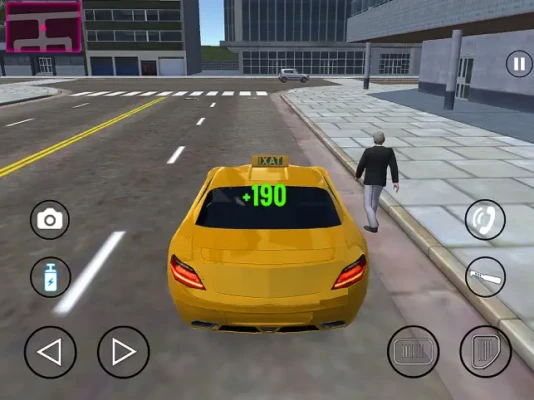
To create a truly immersive racing experience, realistic car and human traffic is essential. The presence of realistic car & human traffic adds complexity to races, requiring players to navigate through obstacles and make split-second decisions. This dynamic environment keeps players engaged and on their toes, enhancing the overall challenge.
Multiple Camera Angles for Enhanced Gameplay
To cater to different player preferences, racing games often feature three different cameras:
- Orbit Camera: Provides a bird's-eye view of the action, allowing players to see their surroundings clearly.
- Cockpit Camera: Offers an immersive first-person perspective, putting players right in the driver's seat.
- Follow Camera: Tracks the player's vehicle from behind, providing a dynamic view of the race.
These camera options enhance the gameplay experience, allowing players to choose the perspective that suits their style best.
Conclusion: The Ultimate Racing Experience Awaits
With features like an advanced tuning system, ultra-realistic graphics, and a diverse selection of cars, racing games have evolved into thrilling experiences that captivate players. The combination of realistic physics, detailed maps, and engaging challenges ensures that every race is an adventure. Whether you're a casual player or a competitive racer, the ultimate driving experience awaits you in the world of modern racing
Rate the App
User Reviews













Popular Apps










Editor's Choice