




Latest Version
April 30, 2026
KAGITA NAGARAJU
Entertainment
Android
0
Free
com.nagaraju.ramayanam
Report a Problem
More About Ramayanam in Telugu
The Ramayana: A Comprehensive Guide to the Epic Tale
The Ramayana stands as one of the most significant ancient epics in world literature, captivating readers with its rich narrative and profound themes. This timeless story, originally composed in Sanskrit, has been translated into numerous languages, including Telugu, making it accessible to a wider audience. In this article, we will explore the various sections of the Ramayana, highlighting its importance and the unique features of the Ramayanam in Telugu.
Understanding the Ramayana
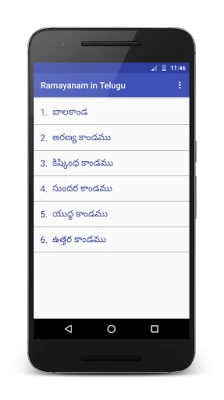
The Ramayana is not just a story; it is a cultural cornerstone that has influenced art, literature, and philosophy across generations. The epic narrates the life of Lord Rama, his wife Sita, and his loyal companion Hanuman, showcasing themes of duty, righteousness, and devotion. The narrative unfolds through seven distinct sections, each contributing to the overall tapestry of the tale.
1. Bala Kanda: The Childhood of Rama
The Bala Kanda introduces readers to the early life of Rama, detailing his birth in the kingdom of Ayodhya and his upbringing. This section emphasizes the virtues of Rama and his brothers, setting the stage for the challenges they will face. The stories of their childhood adventures and the lessons learned during this formative period resonate with readers of all ages.
2. Ayodhya Kanda: The Exile of Rama
In the Ayodhya Kanda, the narrative takes a dramatic turn as Rama is unjustly exiled from his kingdom due to a promise made by his father, King Dasharatha. This section explores themes of sacrifice and loyalty, as Rama, Sita, and his brother Lakshmana embark on a journey into the forest. The emotional depth of this part of the epic highlights the complexities of familial relationships and the weight of duty.
3. Aranya Kanda: Life in the Forest
The Aranya Kanda depicts the trials faced by Rama, Sita, and Lakshmana during their time in the forest. Here, they encounter various sages and mythical creatures, showcasing the rich tapestry of Indian mythology. This section also introduces the villain Ravana, whose actions set the stage for the epic conflict that follows. The themes of resilience and the struggle against evil are prominent in this part of the story.
4. Kishkindha Kanda: The Alliance with Hanuman
In the Kishkindha Kanda, Rama forms an alliance with the monkey king Sugriva and his loyal companion Hanuman. This section is pivotal as it highlights the importance of friendship and teamwork in overcoming adversity. The bond between Rama and Hanuman exemplifies loyalty and devotion, making it one of the most cherished relationships in the epic.
5. Sundara Kanda: The Search for Sita
The Sundara Kanda focuses on Hanuman's daring journey to Lanka to locate Sita, who has been abducted by Ravana. This section is celebrated for its vivid imagery and emotional intensity, showcasing Hanuman's bravery and unwavering devotion to Rama. The themes of hope and perseverance shine through as Hanuman faces numerous challenges in his quest to rescue Sita.
6. Yuddha Kanda: The Great War
The Yuddha Kanda narrates the climactic battle between Rama's forces and Ravana's army. This section is filled with action, strategy, and heroism, as Rama confronts Ravana in a fierce showdown. The themes of justice and the triumph of good over evil are central to this part of the epic, making it a thrilling and emotionally charged segment of the Ramayana.
7. Uttara Kanda: The Aftermath
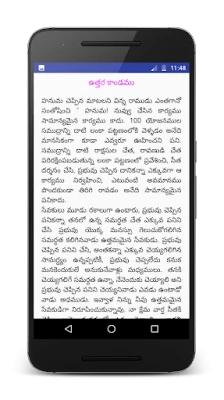
The final section, the Uttara Kanda, addresses the consequences of the war and the return of Rama to Ayodhya. It explores the complexities of duty and honor, particularly in Rama's relationship with Sita. This part of the epic serves as a poignant reminder of the challenges faced even after victory, emphasizing the enduring nature of love and sacrifice.
Conclusion: The Timeless Relevance of the Ramayana
The Ramayana remains a vital part of cultural heritage, offering valuable lessons on morality, duty, and the human experience. The availability of the Ramayanam in Telugu allows a broader audience to engage with this epic tale, ensuring its relevance for future generations. Whether you are reading it for the first time or revisiting its profound teachings, the Ramayana continues to inspire and resonate with readers around the world.
Explore the depths of this ancient epic and discover the timeless wisdom it imparts. The Ramayana is not just a story; it is a journey through the complexities of life, love, and the eternal struggle between good and evil.
Rate the App
User Reviews















Popular Apps










Editor's Choice