

Latest Version
3.3.6
April 16, 2026
TeaCapps
Tools
Android
0
Free
net.qrbot
Report a Problem
More About QRbot: QR & barcode reader
Unlocking the Power of Barcode Scanning: A Comprehensive Guide
In today's fast-paced digital world, barcode scanning has become an essential tool for businesses and consumers alike. From accessing product information to connecting with WiFi networks, understanding the various barcode formats and their functionalities can significantly enhance your experience. This article delves into the common barcode formats, relevant actions, security features, and much more.
Understanding Common Barcode Formats
Barcode scanning technology supports a wide array of formats, each serving unique purposes. Here are some of the most common barcode formats you should know:
- QR Codes: Quick Response codes are versatile and can store various types of information, including URLs and contact details.
- Data Matrix: Often used in small items, this format can encode a significant amount of data in a compact space.
- Aztec Codes: These are particularly useful in mobile ticketing and can be scanned easily even when partially damaged.
- UPC and EAN: Universal Product Codes and European Article Numbers are standard formats for retail products, facilitating easy inventory management.
- Code 39: This alphanumeric barcode is commonly used in various industries for inventory tracking.
Relevant Actions Enabled by Barcode Scanning
Barcode scanning technology empowers users to perform a variety of actions seamlessly. Here are some relevant actions you can take:
- Open URLs: Quickly access websites by scanning QR codes.
- Connect to WiFi: Effortlessly join WiFi networks without manually entering passwords.
- Add Calendar Events: Instantly save important dates and events to your calendar.
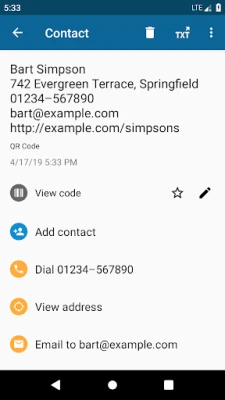
- Read VCards: Easily save contact information by scanning vCard codes.
- Find Product Information: Access detailed product descriptions and pricing by scanning barcodes.
Security and Performance: Stay Safe While Scanning
When it comes to scanning barcodes, security is paramount. With features like Chrome Custom Tabs and Google Safe Browsing technology, users can protect themselves from malicious links. Additionally, these features ensure faster loading times, enhancing the overall user experience.
Minimal Permissions for Maximum Convenience
One of the standout features of modern barcode scanning apps is their ability to function with minimal permissions. Users can scan images without granting access to device storage. Furthermore, sharing contact data as a QR code can be done without accessing the address book, ensuring privacy and security.
Scan from Images: Flexibility at Your Fingertips
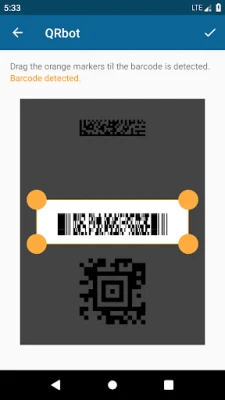
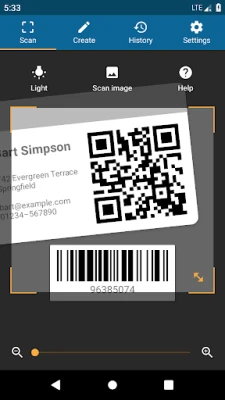
Barcode scanning technology allows users to detect codes within image files or scan directly using the camera. This flexibility means you can easily access information from saved images or real-time scans, making it a versatile tool for various situations.
Flashlight and Zoom: Scanning in Any Environment
For reliable scans in low-light conditions, many barcode scanning apps come equipped with a flashlight feature. Additionally, the pinch-to-zoom functionality enables users to read barcodes from a distance, ensuring that scanning is convenient and efficient, regardless of the environment.
Create and Share: The Built-in QR Code Generator
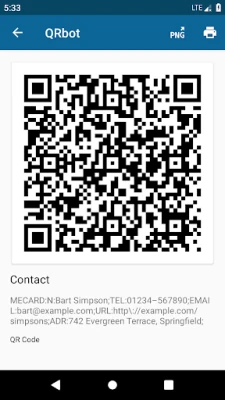
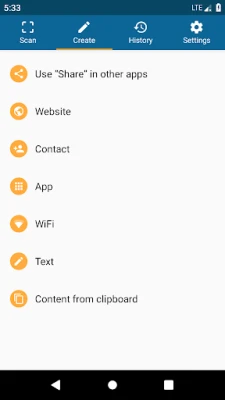
Sharing information has never been easier. With a built-in QR code generator, users can create and display QR codes for arbitrary data, such as website links. This feature allows for quick sharing between devices, enhancing collaboration and communication.
Custom Search Options: Tailored Information Retrieval
For those seeking specific information, many barcode scanning apps offer custom search options. By adding preferred websites into the barcode search, users can streamline their shopping experience and access information from their favorite platforms.
CSV Export and Annotations: Manage Your Data Effectively
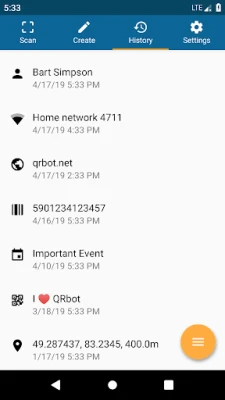
Efficient data management is crucial for businesses. Barcode scanning apps often allow users to manage unlimited scan history and export it as a CSV file. This data can be imported into Excel or saved to cloud storage services like Google Drive. Additionally, users can annotate their scans, making it easier to manage product inventory and implement quality assurance processes.
Supported QR Codes and Barcodes
Modern barcode scanning apps support a wide range of QR codes and barcodes, including:
- Website Links (URL)
- Contact Data (MeCard, vCard, vcf)
- Calendar Events
- WiFi Hotspot Access Information
- Geo Locations
- Phone Call Information
- Email, SMS, and MATMSG
Additionally, the app supports various barcodes, including:
- Article Numbers (EAN, UPC, JAN, GTIN, ISBN)
- Codabar or Codeabar
- Code 39, Code 93, and Code 128
- Interleaved 2 of 5 (ITF)
- PDF417
- GS1 DataBar (RSS-14)
- Aztec Code
- Data Matrix
Conclusion: Embrace the Future of Barcode Scanning
As technology continues to evolve, barcode scanning remains a vital tool for enhancing efficiency and convenience in both personal and professional settings. By understanding the various formats, actions, and features available, users can fully leverage the power of barcode scanning. Whether you're a business owner looking to streamline operations or a consumer seeking quick access to information, embracing barcode scanning technology is a step towards a more connected and efficient future.
Rate the App
User Reviews














Popular Apps









Editor's Choice