

Latest Version
1.50
July 19, 2026
PuzzleMadness
Games
Android
0
Free
uk.co.puzzlemadness
Report a Problem
More About Puzzle Madness
The Ultimate Guide to Logic Puzzles: Exploring the World of Sudoku and Beyond
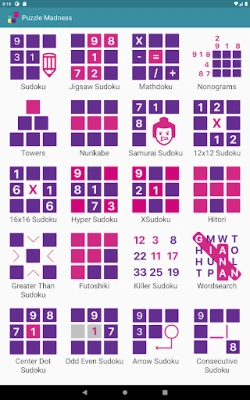
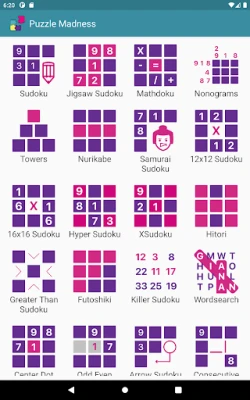
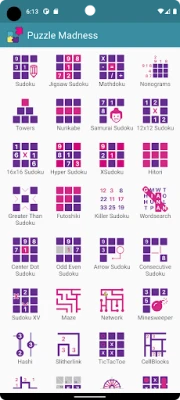
Logic puzzles have captivated minds for centuries, offering a delightful blend of challenge and entertainment. Among these, Sudoku reigns supreme, but the world of logic puzzles extends far beyond this classic game. In this comprehensive guide, we will explore various types of logic puzzles, including Jigsaw Sudoku, Mathdoku, Nonograms, and many more. Each puzzle type presents unique challenges and rewards, making them perfect for puzzle enthusiasts of all levels.
1. Sudoku: The Classic Puzzle
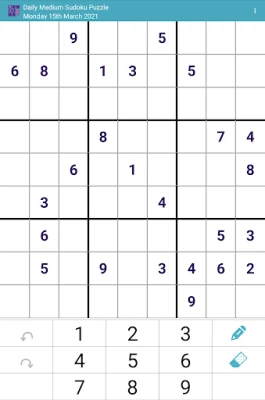
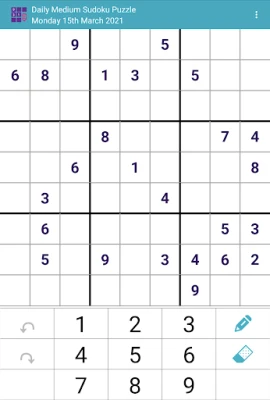
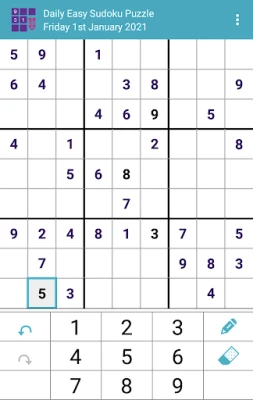
Sudoku is a number-placement puzzle that has gained immense popularity worldwide. The objective is simple: fill a 9x9 grid with digits so that each column, row, and 3x3 subgrid contains all the numbers from 1 to 9 without repetition. This game not only sharpens your logical thinking but also enhances your problem-solving skills.
2. Jigsaw Sudoku: A Twist on the Classic
Jigsaw Sudoku combines the traditional Sudoku format with irregularly shaped regions. Instead of standard 3x3 boxes, players must fill in jigsaw-shaped areas, adding an extra layer of complexity. This variation challenges players to think outside the box, making it a favorite among seasoned Sudoku fans.
3. Mathdoku: Where Math Meets Logic
Mathdoku, also known as KenKen, introduces arithmetic into the Sudoku format. Players must fill the grid with numbers while adhering to specific mathematical operations within designated areas. This puzzle not only tests your logical reasoning but also your mathematical skills, making it a perfect choice for math enthusiasts.
4. Nonograms: Picture Logic Puzzles
Nonograms, or Picross, are logic puzzles that create a picture based on numerical clues. Players must fill in squares on a grid according to the numbers provided for each row and column. The challenge lies in deciphering the clues to reveal a hidden image, making Nonograms a visually rewarding puzzle experience.
5. Towers: A Strategic Challenge
Towers is a unique logic puzzle that requires players to build towers of varying heights based on numerical clues. The objective is to arrange the towers so that they match the given hints while adhering to specific rules. This puzzle tests both strategic thinking and spatial awareness.
6. Nurikabe: The Island Puzzle
Nurikabe is a fascinating logic puzzle where players must create a continuous wall of "water" while forming islands of varying sizes. The challenge lies in ensuring that the islands are correctly sized according to the numbers provided. This puzzle encourages creative thinking and spatial reasoning.
7. Samurai Sudoku: A Multi-Grid Challenge
Samurai Sudoku takes the classic Sudoku format and expands it into five overlapping grids. Players must solve each grid while ensuring that the numbers remain consistent across the overlaps. This complex variation offers a thrilling challenge for experienced Sudoku solvers.
8. Giant Sudoku Variations: 12x12 and 16x16 Grids
For those seeking an even greater challenge, Giant Sudoku puzzles come in larger formats, such as 12x12 and 16x16 grids. These puzzles require players to apply their Sudoku skills on a grander scale, testing their patience and logical reasoning to the limit.
9. Hyper Sudoku: A New Dimension
Hyper Sudoku adds an exciting twist to the traditional format by introducing additional regions that must also contain unique numbers. This variation challenges players to think in multiple dimensions, making it a thrilling option for Sudoku enthusiasts looking for something new.
10. X-Sudoku: The Diagonal Challenge
X-Sudoku incorporates diagonal constraints into the classic Sudoku rules. Players must ensure that each diagonal also contains all the numbers from 1 to 9 without repetition. This added layer of complexity makes X-Sudoku a favorite among those who enjoy a good challenge.
11. Hitori: A Unique Grid Puzzle
Hitori is a logic puzzle where players must eliminate numbers from a grid while ensuring that no two adjacent cells contain the same number. The objective is to create a valid solution that adheres to the rules, making Hitori a captivating puzzle for those who enjoy a different kind of challenge.
12. Greater Than Sudoku: A Numerical Challenge
Greater Than Sudoku introduces inequality signs between certain cells, adding a new layer of complexity to the traditional format. Players must not only place numbers correctly but also ensure that they adhere to the greater-than or less-than relationships, making this variation a stimulating challenge.
13. Futoshiki: The Inequality Puzzle
Futoshiki combines Sudoku with inequality constraints. Players must fill the grid with numbers while respecting the greater-than and less-than signs between certain cells. This puzzle requires both logical reasoning and mathematical skills, making it a favorite among puzzle enthusiasts.
14. Killer Sudoku: A Combination of Sudoku and Math
Killer Sudoku merges the classic Sudoku format with arithmetic challenges. Players must fill the grid while ensuring that the sums of certain regions match the given clues. This variation tests both logical reasoning and mathematical skills, providing a unique and engaging puzzle experience.
15. Wordsearch: A Classic Word Puzzle
Wordsearch puzzles challenge players to find hidden words within a grid of letters. The objective is to locate and circle the words from a provided list. This classic puzzle is perfect for those who enjoy wordplay and pattern recognition.
16. Maze: Navigate Your Way Through
Maze puzzles require players to find a path from a starting point to an endpoint while avoiding obstacles. These puzzles test spatial awareness and problem-solving skills, making them a fun and engaging challenge for all ages.
17. Center-Dot Sudoku: A Unique Twist
Center-Dot Sudoku introduces a central dot in the grid, adding an extra constraint to the traditional format. Players must ensure that the numbers surrounding the dot adhere to specific rules, making this variation a fresh and exciting challenge.
18. Odd-Even Sudoku: A Numerical Challenge
Odd-Even Sudoku requires players to fill the grid with odd and even numbers according to specific rules. This variation adds an interesting twist to the classic format, challenging players to think critically about number placement.
19. Arrow Sudoku: A Directional Challenge
Arrow Sudoku incorporates arrows
Rate the App
User Reviews










Popular Apps










Editor's Choice