




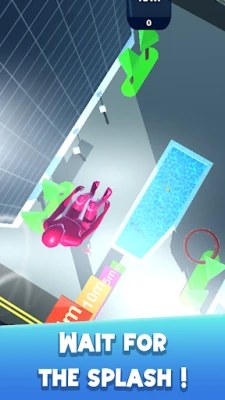
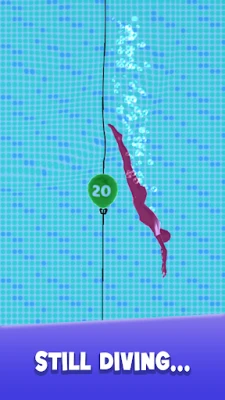

Latest Version
1.9.6
January 24, 2026
VOODOO
Games
Android
0
Free
com.levelzed.waterjump
Report a Problem
More About Purple Diver
Mastering the Art of Diving: Perfect Entries, Backflips, and Depth Techniques
Diving is not just a sport; it’s an art form that combines precision, grace, and athleticism. Whether you are a beginner or an experienced diver, mastering the fundamentals can elevate your performance and enhance your enjoyment of the sport. This article delves into the essential techniques for achieving a perfect entry into the water, executing backflips, and exploring the depths of diving.
The Perfect Entry: Key Techniques for Success
One of the most critical aspects of diving is the entry. A flawless entry not only minimizes splash but also sets the tone for the entire dive. Here are some key techniques to achieve that perfect entry:
Body Positioning
To ensure a smooth entry, maintain a streamlined body position. Keep your arms extended above your head, and your legs together. This alignment reduces resistance as you break through the water's surface.
Angle of Entry
The angle at which you enter the water is crucial. Aim for a vertical entry, ideally at a 90-degree angle. This minimizes the splash and allows for a more graceful descent. Practice your approach to ensure you hit the water at the right angle.
Timing and Control
Timing your jump is essential. As you reach the edge of the diving board or platform, push off with your legs while keeping your body tight. Control your descent by engaging your core muscles, which will help you maintain stability and balance.
Executing Backflips: A Step-by-Step Guide
Backflips are a thrilling addition to any dive routine. They require practice and confidence, but with the right approach, you can master this impressive maneuver.
Preparation and Takeoff
Begin by standing at the edge of the diving board. Bend your knees slightly and prepare to jump. As you leap, use your arms to generate upward momentum. Swing them down and back to initiate the flip.
Rotation Technique
As you leave the board, tuck your knees to your chest and pull your arms in close. This position helps you rotate faster. Keep your head tucked in to maintain a tight spin, and focus on spotting your landing as you complete the flip.
Landing Safely
As you approach the water, extend your legs and prepare for entry. Aim for a vertical position to ensure a clean entry. Remember to keep your body tight and aligned to minimize splash and maximize style.
Exploring Depth: Techniques for Diving Deeper
Diving deeper requires not only physical strength but also mental preparation. Here are some techniques to help you explore greater depths safely.
Breath Control
Effective breath control is vital for deep diving. Practice taking deep, controlled breaths before your dive. This will help you manage your oxygen levels and stay calm underwater.
Equalization Techniques
As you descend, pressure increases, making equalization essential. Use techniques such as the Valsalva maneuver or the Frenzel maneuver to equalize pressure in your ears. This will prevent discomfort and potential injury.
Safety Precautions
Always dive with a buddy and ensure you are aware of your surroundings. Use proper equipment, such as a wetsuit or dive computer, to enhance safety and comfort. Establish clear communication signals with your diving partner to ensure a safe experience.
Conclusion: Elevate Your Diving Skills
Whether you aim for a perfect entry, want to master backflips, or explore the depths of diving, practice and dedication are key. By focusing on body positioning, timing, and safety techniques, you can enhance your diving skills and enjoy the thrill of the sport. Remember, every dive is an opportunity to improve and showcase your abilities. Dive in, and let the water embrace you!
Rate the App
User Reviews















Popular Apps










Editor's Choice