
Latest Version
2.0.0
July 24, 2026
Abacus Brands Inc.
Education
Android
0
Free
com.abacus.vrprojectlab
Report a Problem
More About Project Lab VR
Explore the Wonders of Science: Interactive Learning Experiences
Delve into the fascinating world of science through engaging interactive activities that offer step-by-step instructions. This article will guide you through thrilling topics such as volcanoes, dinosaurs, the solar system, and human anatomy, all enhanced by immersive virtual reality experiences.
Unleashing the Power of Interactive Learning
Interactive learning transforms traditional education into an exciting adventure. By participating in hands-on activities, learners can grasp complex scientific concepts more effectively. This approach not only fosters curiosity but also encourages critical thinking and problem-solving skills.
Discovering Volcanoes: Eruptions and Earth Science
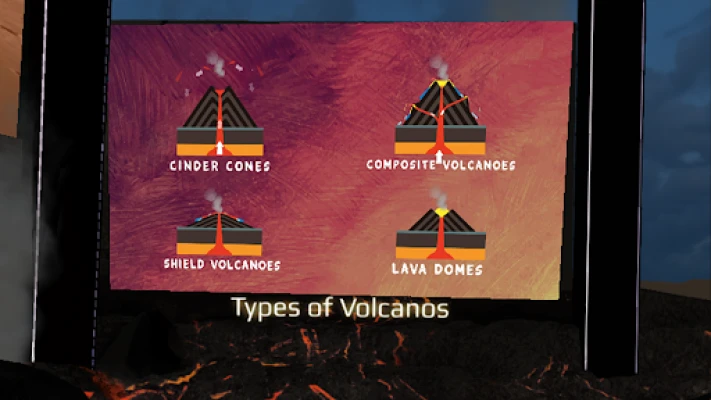
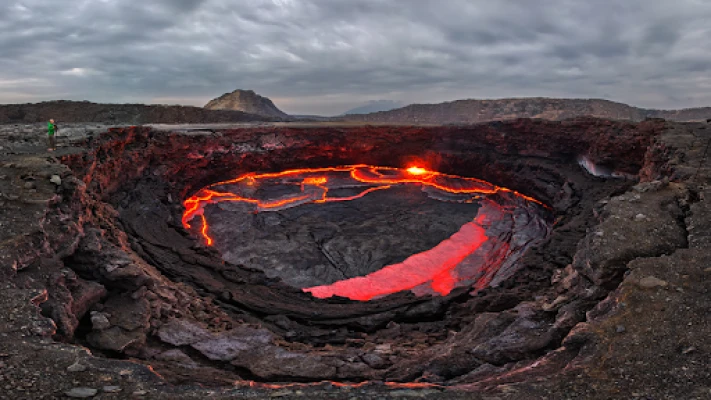
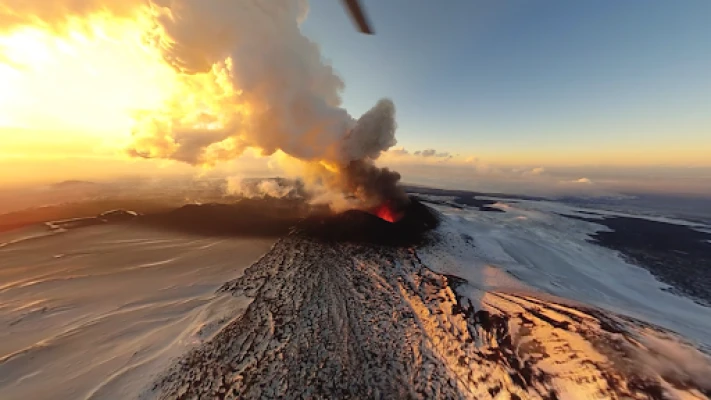
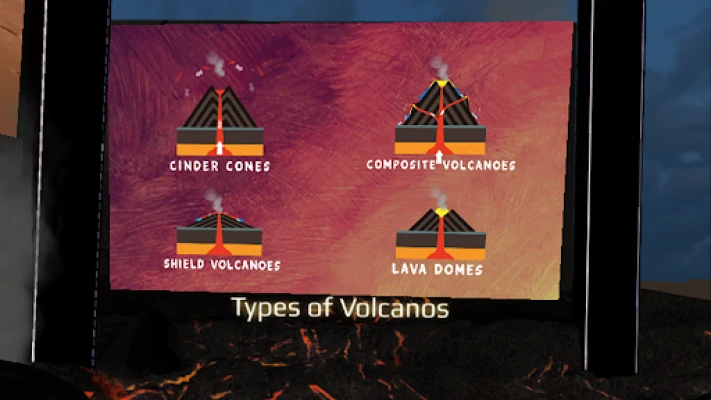
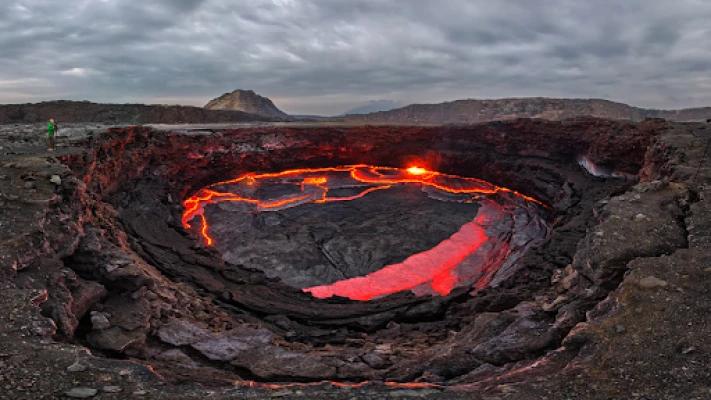
Volcanoes are one of nature's most awe-inspiring phenomena. Through interactive activities, students can explore the science behind volcanic eruptions. Here’s how you can engage:
- Build a Model Volcano: Use simple materials like baking soda and vinegar to create a mini-eruption. This hands-on project illustrates the chemical reactions that occur during a volcanic eruption.
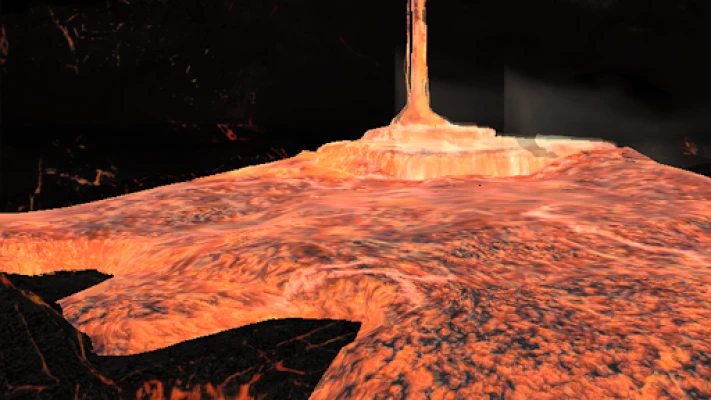
- Virtual Reality Exploration: Step into a virtual environment where you can witness a volcano erupting in real-time. This immersive experience allows learners to visualize the impact of volcanic activity on the Earth's surface.
Journey Back in Time: Dinosaurs and Paleontology
Dinosaurs captivate the imagination of both young and old. Engaging with this topic through interactive lessons can spark a lifelong interest in paleontology. Here’s how to make learning about dinosaurs exciting:
- Fossil Excavation Activity: Simulate a fossil dig by burying toy dinosaur bones in sand. Students can excavate the bones, learning about the excavation process and the significance of fossils in understanding prehistoric life.
- VR Dinosaur Encounters: Experience the thrill of walking among dinosaurs in a virtual reality setting. This technology allows learners to observe these magnificent creatures in their natural habitats, enhancing their understanding of their size, behavior, and environment.
Exploring the Solar System: A Cosmic Adventure
The solar system is a vast and mysterious place. Interactive activities can help students grasp the scale and complexity of our cosmic neighborhood. Here are some engaging ways to explore:
- Scale Model of the Solar System: Create a scale model using everyday objects to represent the planets. This activity helps students visualize the distances between planets and their relative sizes.
- Virtual Space Missions: Use VR technology to embark on a simulated space mission. Students can navigate through the solar system, visiting planets and learning about their unique characteristics.
Understanding Human Anatomy: The Body Unveiled
Human anatomy is a complex and fascinating subject. Interactive lessons can make learning about the human body both informative and enjoyable. Here’s how to engage students:
- 3D Anatomy Models: Utilize 3D models to explore the human body’s systems. Students can dissect virtual models to understand the functions of various organs and systems.
- VR Anatomy Tours: Take a virtual tour of the human body. This immersive experience allows learners to see how different systems interact and function in real-time.
Benefits of Immersive Learning Experiences
Immersive learning experiences, particularly those enhanced by virtual reality, offer numerous benefits:
- Enhanced Engagement: Interactive activities capture students' attention, making learning more enjoyable and effective.
- Improved Retention: Hands-on experiences help reinforce knowledge, leading to better retention of information.
- Encouragement of Collaboration: Many interactive activities promote teamwork, allowing students to collaborate and learn from one another.
Conclusion: Embrace the Future of Science Education
Engaging in interactive activities and utilizing virtual reality technology can revolutionize the way we teach and learn about science. By exploring topics like volcanoes, dinosaurs, the solar system, and human anatomy through immersive experiences, students can develop a deeper understanding and appreciation for the natural world. Embrace these innovative educational tools to inspire the next generation of scientists and explorers!
Rate the App
User Reviews













Popular Apps










Editor's Choice