

Latest Version
3.9.0
August 17, 2024
Physics and chemistry sandbox
Games
iOS
50.8 MB
0
Free
Report a Problem
More About Powder Game
Exploring the Fascinating Variations of Dots: A Journey Through Nature and Elements
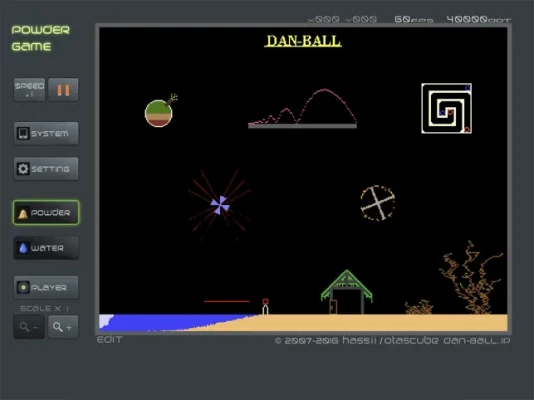
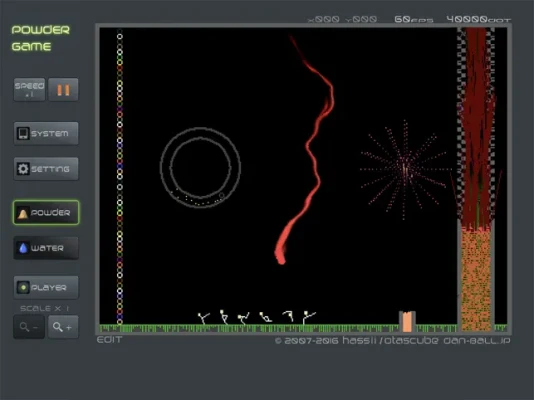
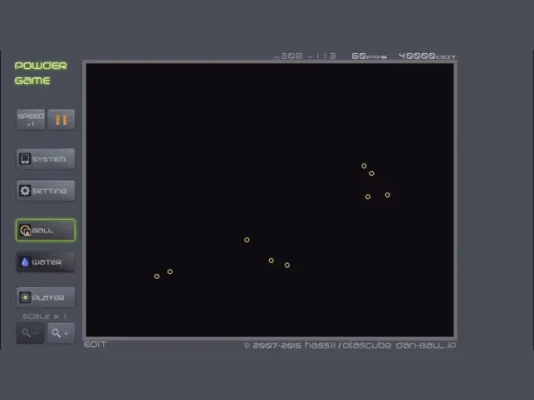
In the realm of creativity and experimentation, the concept of "dots" opens up a world of possibilities. With over 30 unique variations, each dot represents a different element or reaction, allowing for an exploration of nature's wonders and the interplay of various substances. From water to fire, oil to gunpowder, and even the intricate lives of birds and ants, the potential for discovery is limitless.
Diverse Dot Variations: Nature's Palette
Each dot variation serves as a gateway to understanding the natural world. Here are some of the most intriguing options:
- Water: The essence of life, water dots can create ripples of change, influencing everything they touch.
- Fire: A powerful force, fire dots ignite passion and transformation, often leading to explosive reactions.
- Oil: Smooth and slippery, oil dots can represent both beauty and danger, showcasing the duality of nature.
- Gunpowder: The explosive potential of gunpowder dots can lead to dramatic outcomes, illustrating the power of chemistry.
- Metal: Strong and resilient, metal dots symbolize durability and strength in the face of adversity.
- Seed: The promise of growth, seed dots can lead to the flourishing of life when combined with the right elements.
- Birds: Representing freedom and grace, bird dots can inspire creativity and movement.
- Ants: The industrious nature of ants can be captured in dot form, showcasing teamwork and perseverance.
Understanding Reactions: The Science Behind the Dots
The interactions between different dot variations can lead to fascinating reactions. Understanding these reactions not only enhances our appreciation of nature but also provides insight into scientific principles.
Explosive Reactions: Fire and Gunpowder
When fire dots collide with gunpowder dots, the result is a spectacular explosion. This reaction exemplifies the principles of combustion and energy release. The combination of heat and fuel creates a rapid expansion of gases, resulting in a powerful force that can be harnessed for various applications, from fireworks to propulsion systems.
Growth and Transformation: Seeds and Sand
In contrast, the interaction between seed dots and sand dots illustrates the beauty of growth and transformation. When seeds are planted in sandy soil, they have the potential to sprout into vibrant plants. This process highlights the importance of the right environment for nurturing life, showcasing how simple elements can work together to create something extraordinary.
Creative Applications: Harnessing the Power of Dots
The versatility of dot variations extends beyond scientific exploration; they can also inspire creativity in art, design, and storytelling. Here are some ways to harness the power of dots:
Artistic Expression
Artists can use dot variations to create stunning visual representations of nature. By incorporating elements like water, fire, and seeds into their work, they can convey powerful messages about the environment and the interconnectedness of life.
Educational Tools
Educators can utilize dot variations as a teaching tool to engage students in science and nature. By conducting experiments that demonstrate the reactions between different dots, students can gain hands-on experience and a deeper understanding of scientific concepts.
Storytelling and Symbolism
Writers can weave the concept of dots into their narratives, using them as symbols for growth, change, and the forces of nature. Each dot can represent a character's journey or a pivotal moment in the story, adding depth and meaning to the narrative.
Conclusion: The Endless Possibilities of Dots
The exploration of dot variations reveals a rich tapestry of interactions and reactions that reflect the complexity of the natural world. From explosive encounters to nurturing growth, each dot tells a story of its own. By embracing the diverse possibilities that dots offer, we can unlock new avenues for creativity, education, and understanding. Whether in art, science, or storytelling, the journey through the world of dots is one filled with endless potential.
Rate the App
User Reviews








Popular Apps






Editor's Choice